 Disney Tips Your Guide To A Great Disney Vacation

Current Economic Trends Impacting Tourism
Recent reports indicate that Las Vegas has experienced an alarming 11% drop in visitors, signaling potential danger for the tourism industry. This decline stems from various economic pressures, particularly affecting family travel. As inflation rises, families find it increasingly difficult to justify discretionary spending on leisure activities. The financial burden of everyday expenses takes precedence, leaving trips to destinations like Disney Parks and Las Vegas on the back burner.

Credit: Inside The Magic
Moreover, changes in international travel patterns further complicate the tourism landscape. Political tensions and travel restrictions have altered the flow of international visitors, which traditionally supported high tourist spots. This ongoing transformation means Las Vegas and Disney Parks could face additional challenges in attracting a diversified audience.
Disney’s Financial Analysis
Despite the broader issues affecting tourism, Disney Parks recently reported financial growth, achieving over $9 billion in revenue—a notable 8% increase from last year. However, this rise masks an underlying concern: visitor numbers have decreased. Disney’s Chief Officer acknowledged that the surge was primarily fueled by increased spending per visitor, leading to the stark reality that fewer guests were paying significantly more.

Credit: Disney
This scenario parallels Las Vegas’s current predicament. As Las Vegas shifted from a purely gambling destination to a family-oriented one, it still struggled with a decline in visitor numbers due to rising costs that pushed many potential guests out. Disney Parks must heed this warning as they face similar competitive pressures, recognizing that relying on high-spending customers can lead to vulnerabilities, especially during economic downturns.
Need for Pricing Strategy Reevaluation
The rising costs associated with leisure travel are profoundly impacting both Disney Parks and Las Vegas. Families are increasingly scrutinizing their expenditures, especially when vacations come with hefty price tags. Raising prices above inflation rates in an attempt to boost profitability poses a significant risk of alienating a broader customer base.

As evidenced by Las Vegas, escalating costs can deter potential visitors. The vibrant city that once attracted the masses has to reevaluate its approach. Disney should take note. If families perceive a trip to Disney Parks as an extravagant luxury rather than an accessible experience, they may choose to stay home. A robust strategy that considers inflation pressures and maintains solid customer relationships is critical for long-term sustainability.
Strategies for Future Resilience
To navigate these challenges and build resilience against economic fluctuations, Disney Parks must adopt diverse offerings that appeal to all income levels. Engaging families through affordable experiences while creating more premium options can help strike a balance that sustains interest and loyalty.
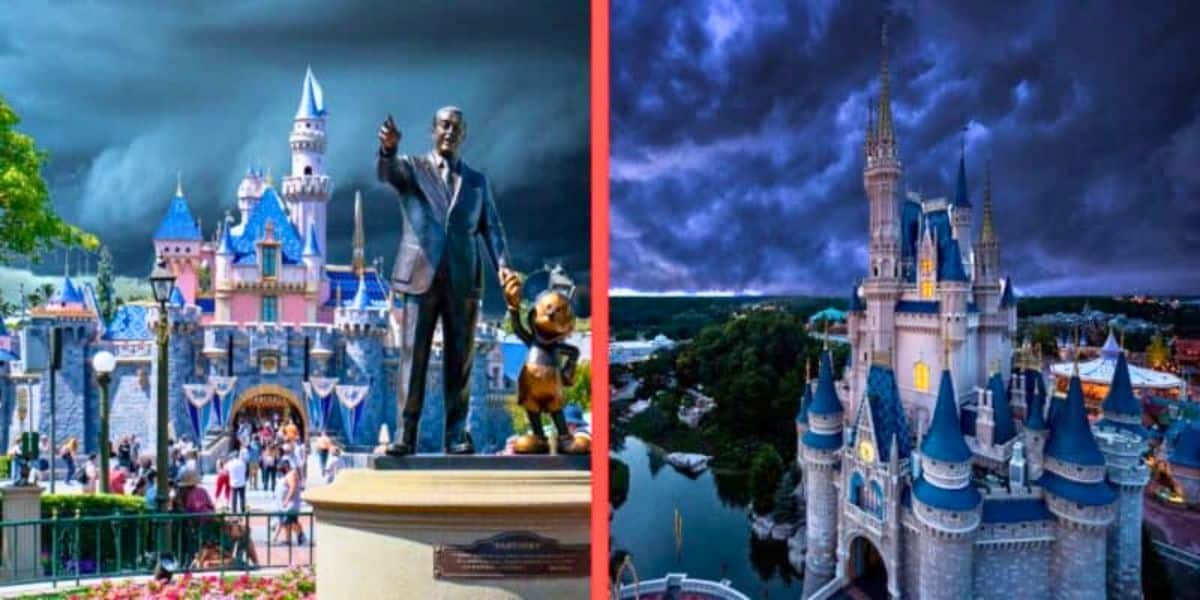
Credit: Inside The Magic
By closely observing Las Vegas’ recent strategies, Distrategiess can derive lessons that inform their strategic planning. Emphasizing inclusivity in pricing and experience could enable Disney to attract a stable and varied visitor base, regardless of economic circumstances. Creating a sense of value and ensuring accessibility can help cultivate a loyal audience that continues to visit.
Furthermore, by implementing tailored promotions and dynamic pricing strategies, Disney Parks can better address the varied financial capabilities of their guests, ultimately ensuring that their attractions remain accessible and desirable.
In conclusion, as both Disney Parks and Las Vegas navigate the intricacies of the tourism landscape, a proactive approach to understanding and adapting to consumer behavior will be critical. Disney could learn from Las Vegas’s current ccVegases, which focus on fair pricing and enriching visitor experiences to avert a similar fate in the face of ongoing economic uncertainties.