 Disney Tips Your Guide To A Great Disney Vacation

Controversy Surrounds Finebaum’s Absence
Recent developments regarding Paul Finebaum, a key commentator at ESPN, have stirred controversy after he speculated about a potential Senate run as a Republican. His absence from ESPN programming has raised questions about censorship and corporate influence in sports media. Following his remarks on a radio show hosted by Clay Travis, many began to wonder whether ESPN, a subsidiary of Disney, was intentionally sidelining him due to his political ambitions.
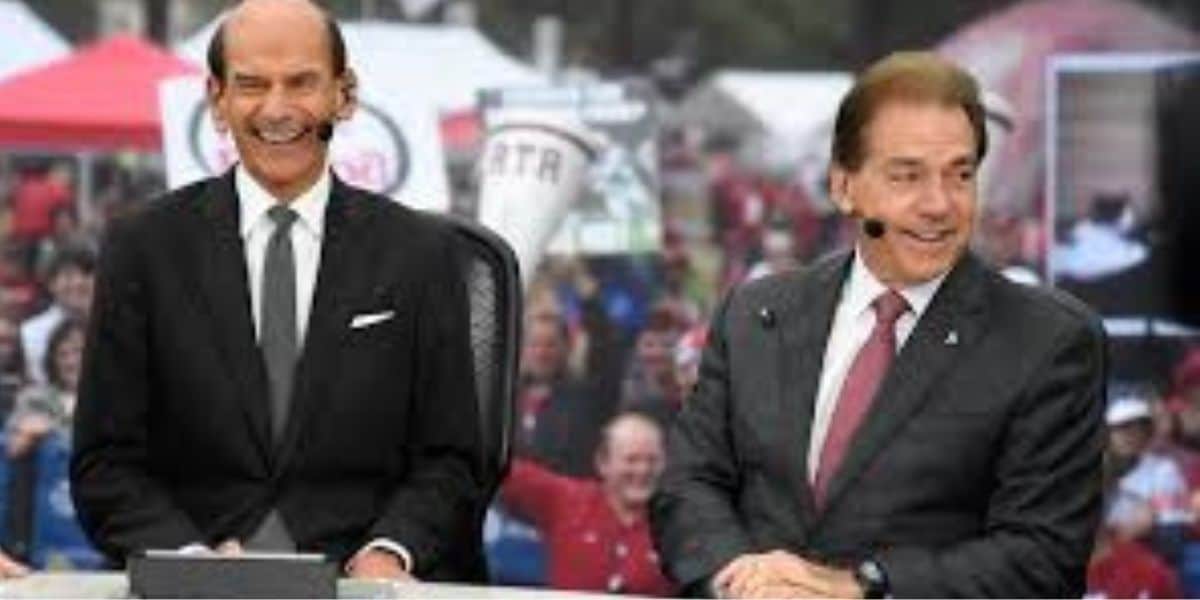
Finebaum has been a significant figure in college football commentary on ESPN for over a decade. His sudden and notable absence from the network’s schedule, particularly on weekends, has fueled rumors suggesting that his political aspirations might have influenced ESPN’s programming decisions. This theory is further amplified by ESPN’s historical treatment of political viewpoints among its on-air talent, which has led to accusations of censorship.
Some critics suggest that ESPN has a pattern of controlling its talent’s political expressions to uphold its corporate image, especially during contentious political climates. Finebaum’s remarks hinting at a Senate run coincide with a changing political landscape, raising concerns about how the network might manage voices that diverge from mainstream narratives.

Finebaum expressed his potential candidacy in light of the vacant Senate seat previously held by Tommy Tuberville, further intertwining his professional identity with his political ambitions. His situation reflects a broader trend in which sports figures navigate the precarious line between entertainment and political commentary, making the environment increasingly sensitive for networks like ESPN.
The accusations surrounding Finebaum are not isolated; they resonate with a growing perception among specific audiences that conservative viewpoints are often marginalized within mainstream media. This context adds complexity to ESPN’s decisions regarding talent management, particularly when intertwined with political affiliations.
ESPN’s Response to Social Media Claims
In response to rising speculation about Finebaum’s absence, ESPN spokesman Bill Hofheimer strongly denied claims of censorship. He labeled Clay Travis’s assertions, which accused the network of sidelining Finebaum due to his political aspirations, as “totally false.” This denial, however, has done little to quell the skepticism from viewers who believe that Finebaum’s political inclinations led to his removal from the airwaves.
Hofheimer’s statement aimed to set the record straight, insisting that Finebaum’s absence was not motivated by any political influence. Yet, the timing of Finebaum’s disappearance, coinciding so closely with his potential political announcement, makes it challenging for audiences to accept this explanation fully.
Travis’s comments sparked outrage among conservative commentators, who viewed this incident as an example of broader media bias. His allegations gained traction on social media platforms, prompting discussions about the implications for free speech and freedom of expression within sports commentary.
Despite Hofheimer’s claims, many remain unconvinced, citing a pattern in which media organizations prioritize corporate interests over the political rights of their employees. As more viewers share their opinions online, the narrative of perceived censorship gains momentum, impacting ESPN’s reputation.
Broader Implications for Media Brands
The unfolding situation surrounding Finebaum highlights significant challenges for media brands, particularly in maintaining political neutrality. Certain networks’ reluctance to support on-air talent with conservative viewpoints could alienate sections of their audience, particularly in today’s polarized political climate.

Navigating the intersection of sports and political commentary presents inherent challenges for networks like ESPN. With conservative audiences perceiving Finebaum’s treatment as part of a larger trend, the potential consequences for the network’s image may be severe if steps are not taken to address these concerns.
As criticisms mount, the risk of alienating conservative viewers is a pressing concern for ESPN. The backlash against perceived censorship could lead to a decline in viewership, prompting ESPN to reconsider its approach to featuring talent with political aspirations or diverse viewpoints.
In this age of heightened political awareness, corporations like Disney and ESPN are responsible for evaluating how they navigate political expression among their on-air talent. This balance necessitates transparency and could significantly influence public perception of both brands over the coming months.
Future Prospects for Finebaum and ESPN
Looking ahead, Finebaum’s future at ESPN remains uncertain. Support from conservative circles could be pivotal in shaping his career trajectory amidst this controversy. As discussions about his potential return surface, the pressure from his supporters may compel ESPN to reassess its policies regarding political expression among its personalities.
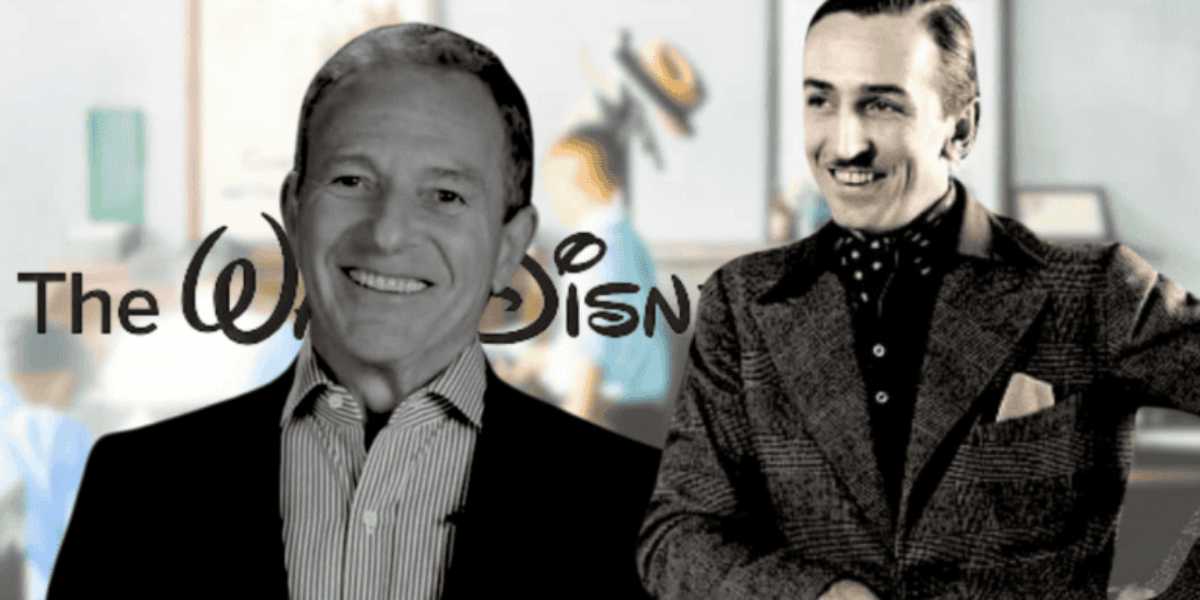
Finebaum’s backing from conservative audiences could reinforce the argument for greater acceptance of diverse political viewpoints within the network. If he returns to on-air duties, it might signal a shift in the network’s stance toward accommodating political commentary without fear of reprisal.
The evolving public sentiment concerning Free Speech, particularly concerning sports personalities expressing political aspirations, further complicates the issue for ESPN. As viewers demand clarity and justification for talent management, the network must tread carefully to maintain brand loyalty.
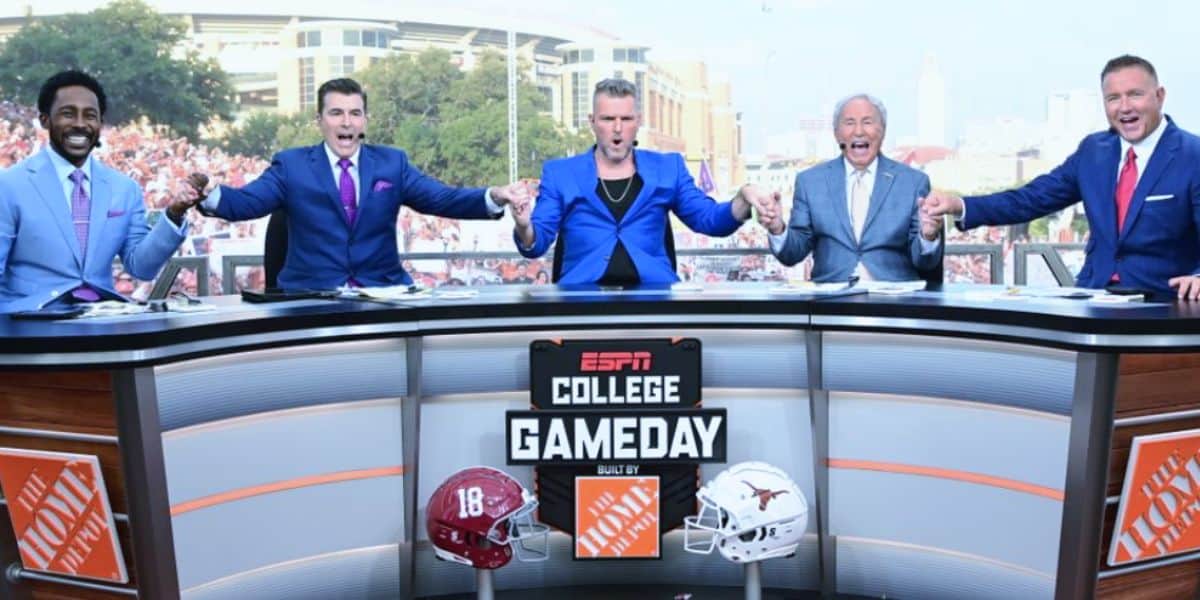
This incident underscores an urgent need for ESPN to be transparent regarding its programming decisions amidst political discussions. By fostering an environment where diverse perspectives are welcomed, there may be potential for healing divisions within its audience, ultimately cultivating a more inclusive viewing experience that respects individual political beliefs.
The discourse surrounding Paul Finebaum and ESPN paints a complex picture of the intersection between sports commentary, corporate influence, and political aspirations, thereby highlighting the need for both flexibility