
 Disney Tips Your Guide To A Great Disney Vacation

The unthinkable has officially happened to the world’s most powerful cinematic franchise. For decades, the arrival of a new live-action Star Wars movie in theaters was an untouchable pop culture event—an automatic guarantee of packed premium theaters and shattering box office records.

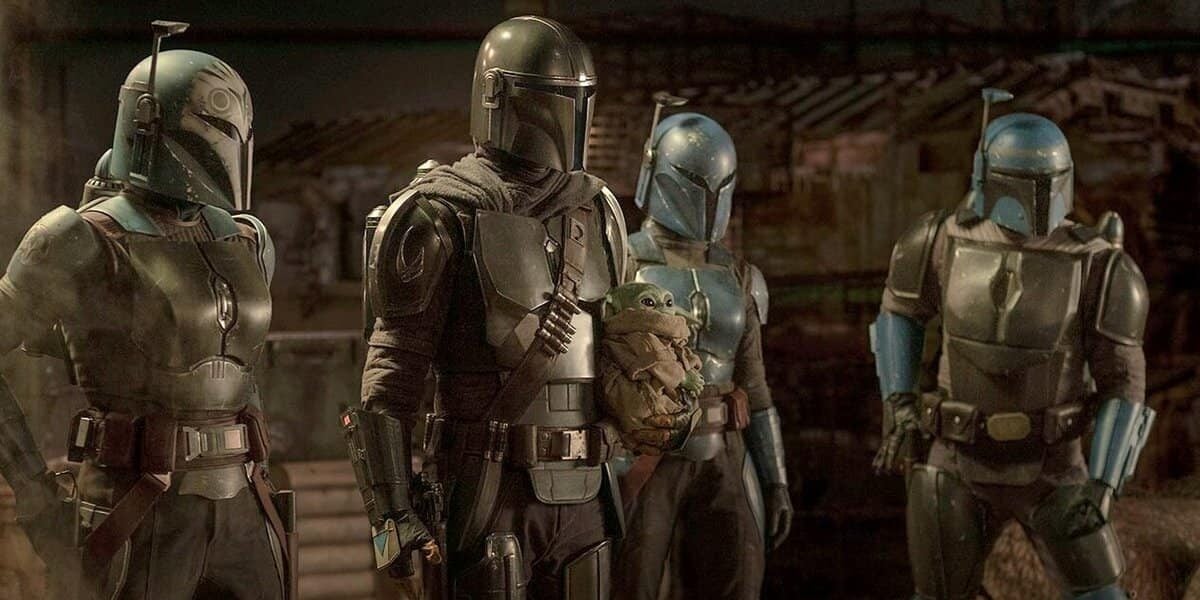
But the theatrical landscape of 2026 has delivered a brutal reality check to Lucasfilm. Jon Favreau’s The Mandalorian and Grogu, highly publicized as the grand return of Star Wars to the silver screen after a seven-year hiatus, has officially careened into a historic financial tailspin. Following a weak $80 million opening weekend, the film suffered a catastrophic 72% drop in its sophomore frame, scraping together just $23 million domestically.
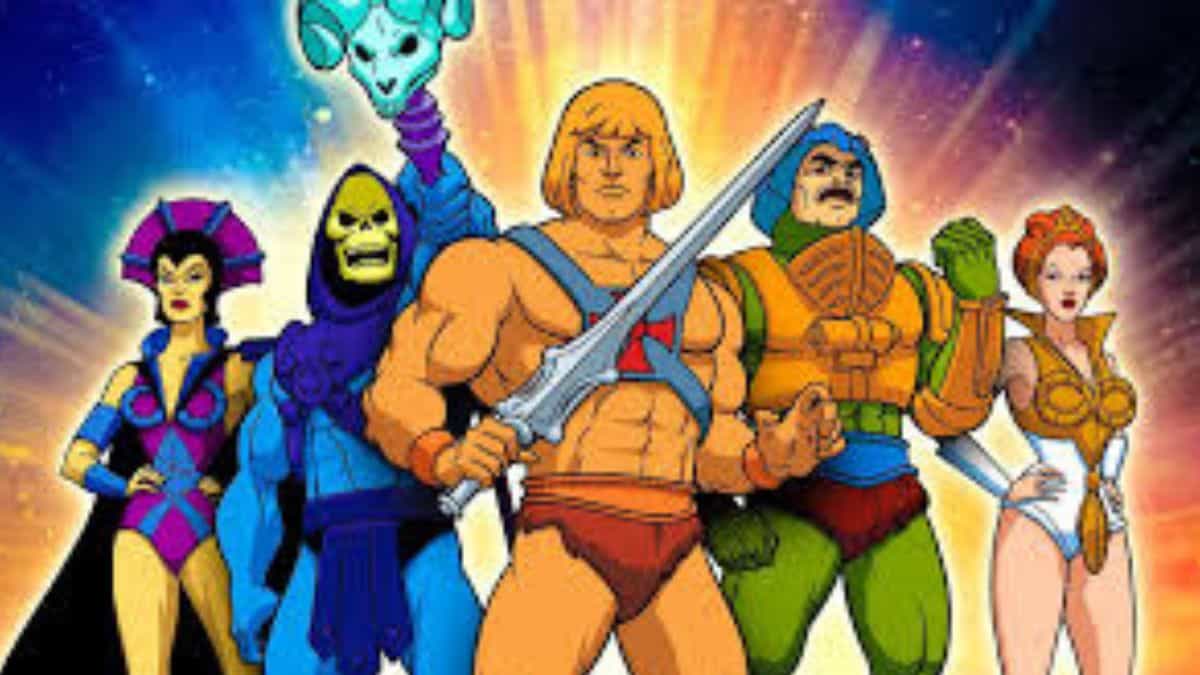
As panic spreads through Disney over what is shaping up to be one of the worst-performing Star Wars movies ever made, theater exhibitors are wasting no time protecting their bottom lines. In a brutal move, IMAX announced that it is cutting the film’s three-week premium format run short, officially evicting Mando and Baby Yoda on June 5, 2026, to hand the screens over to Mattel’s Masters of the Universe.
Dethroned by Indie Horror: The Math Behind the Disaster
A 72% second-weekend plunge is a definitive death sentence for a modern blockbuster. It indicates that casual audiences completely rejected the film, leaving theaters empty once the front-loaded fan base completed their opening-weekend viewings.

Worse yet, Star Wars didn’t just slide; it was completely humiliated by low- and mid-budget genre counter-programming. The viral indie-horror phenomenon Backrooms absolutely dominated the weekend box office with a staggering $90 million haul, while the horror-thriller Obsession comfortably claimed the second-place spot with $30 million. A decade ago, the concept of two horror movies effortlessly lapping a brand-new Star Wars release would have been science fiction. Today, it stands as proof that legacy brands no longer automatically control theatrical culture.
With a production budget pinned at $165 million—before factoring in a massive global marketing push—analysts calculate that The Mandalorian and Grogu needed to clear at least $400 million worldwide just to break even. At its current trajectory, box-office experts question whether the film will even reach the $300 million mark by the end of its global run. If the film stalls out below that threshold, Disney is staring down a net loss that could easily top $100 million, instantly placing the movie alongside 2018’s Solo: A Star Wars Story as a historic financial disaster for Lucasfilm.
The IMAX Eviction and Secret Corporate Feuds
Premium large format (PLF) screens, particularly IMAX, are the most lucrative real estate in a modern movie theater. Because The Mandalorian and Grogu are hemorrhaging viewers, IMAX cannot afford to let its auditoriums sit half-empty. By moving Masters of the Universe into premium screens a week ahead of schedule, exhibitors are making a calculated bet that the fresh, nostalgic allure of He-Man will net a higher per-screen average.
However, industry insiders suggest that an ongoing corporate feud may have accelerated the eviction. The friction reached a boiling point when IMAX chose to honor an existing exclusivity agreement with Warner Bros. for Dune: Part 3, denying Disney the premium-screen footprint it demanded for Avengers: Doomsday.
In what many viewed as direct corporate retaliation, Disney used CinemaCon to announce its proprietary “Infinity Vision” theater certification—a clear attempt to create a rival brand and threaten IMAX’s premium monopoly. With relationship strains at an all-time high, IMAX had zero incentive to carry water for an underperforming Disney film. The moment The Mandalorian and Grogu showed financial vulnerability, IMAX pulled the plug.
The Ultimate Streaming Trap
The collapse points to a systemic issue: brand indifference. By stretching the narrative of The Mandalorian across multiple seasons on Disney+, the studio inadvertently stripped away the cinematic prestige of the characters. Casual moviegoers no longer view Star Wars as a rare, premium theatrical event. Instead, it is increasingly treated as a glorified, expensive episode of television that can easily be skipped until it arrives on a streaming service.
When the carousel of premium screens officially turns over to Masters of the Universe on June 5, it will mark the end of an era—proving that even in a galaxy far, far away, no empire rules forever.


