
 Disney Tips Your Guide To A Great Disney Vacation
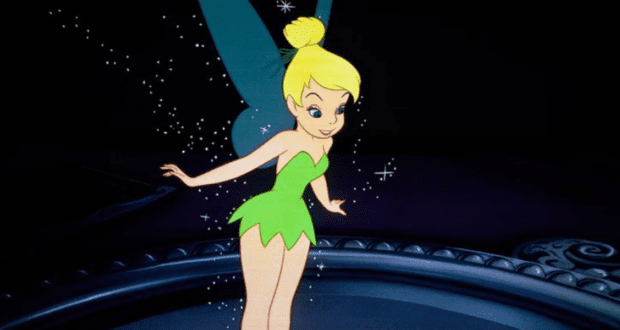
There are characters in the Disney canon that transcend the films they came from. Characters that once animated figures and have since become something closer to symbols, cultural touchstones that carry meaning for every generation that encounters them, regardless of when or how they first appeared on screen. Tinker Bell is one of those characters.
From her first appearance in Peter Pan in 1953 to her role as the pixie who participates every night at the Magic Kingdom fireworks show with a sprinkle of magic dust, Tinker Bell has been part of the emotional language of Disney for more than seventy years. She is feisty and beguiling, beloved whether she is being very good or very bad, and instantly recognizable to anyone who has ever watched a Disney film or set foot inside a Disney park.
What most people who grew up with Tinker Bell never knew is that behind every movement she made, every turn of her head, every expression that crossed her face in the finished film, there was a real woman on a soundstage in Burbank giving the animators something to work from. That woman was Margaret Kerry, and she passed away on June 11, 2026, in Wilmington, North Carolina, at the age of 97. She is survived by her three children, Ellen, Christina, and Eric, who were with her when she passed peacefully after a courageous battle with lung cancer.
The Woman Behind Tinker Bell
Margaret Kerry was born Margaret McCarty on May 11, 1929, in Springfield, Illinois. After losing her mother during childbirth, she was adopted and renamed Peggy Lynch, eventually settling in Los Angeles with her adoptive family. She appeared in films as a child, took dancing lessons, worked in Our Gang comedy shorts, and built a career as an actress and dancer that brought her to Eddie Cantor’s attention in the late 1940s.
It was Cantor who gave her the stage name Margaret Kerry during the filming of If You Knew Susie in 1948, and that name would eventually become attached to one of the most iconic characters in animation history.
The path to Tinker Bell began when Kerry’s agent sent her to Disney Studios in Burbank to audition for Peter Pan. The animators were looking for a young woman comfortable with dance movement who could pantomime for the cameras on an empty stage, providing reference footage that would guide their work on a character who never spoke a word. Kerry prepared a three-and-a-half-minute pantomime routine at home, brought a record player to the audition, and performed it for animator Marc Davis, one of Walt Disney’s legendary Nine Old Men. She got the job.
The Tinker Bell Performance Nobody Saw
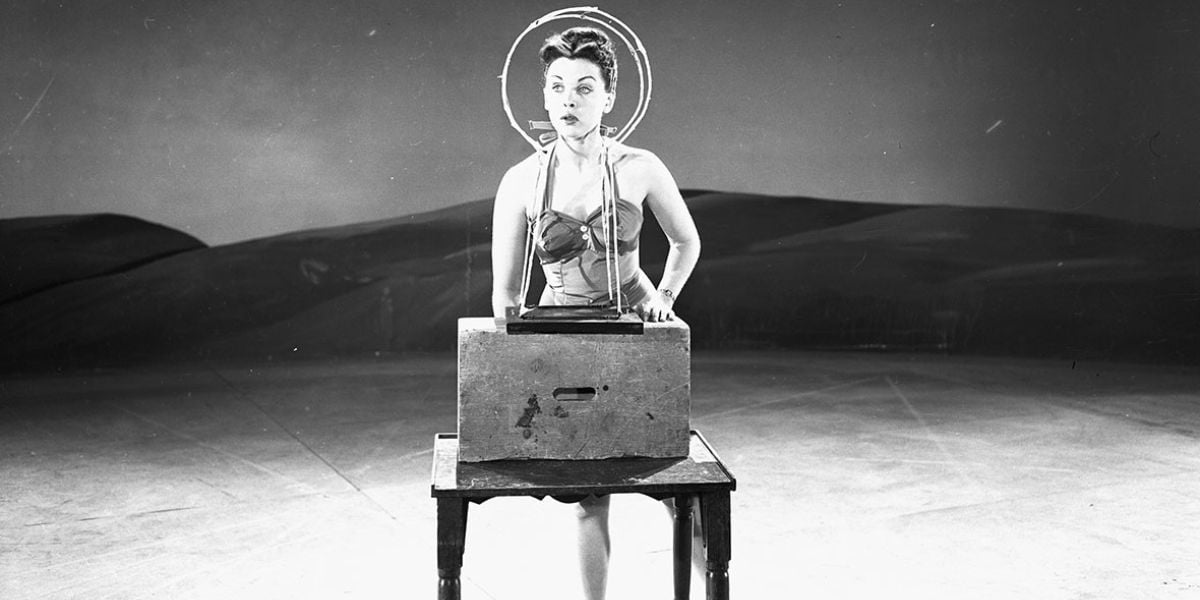
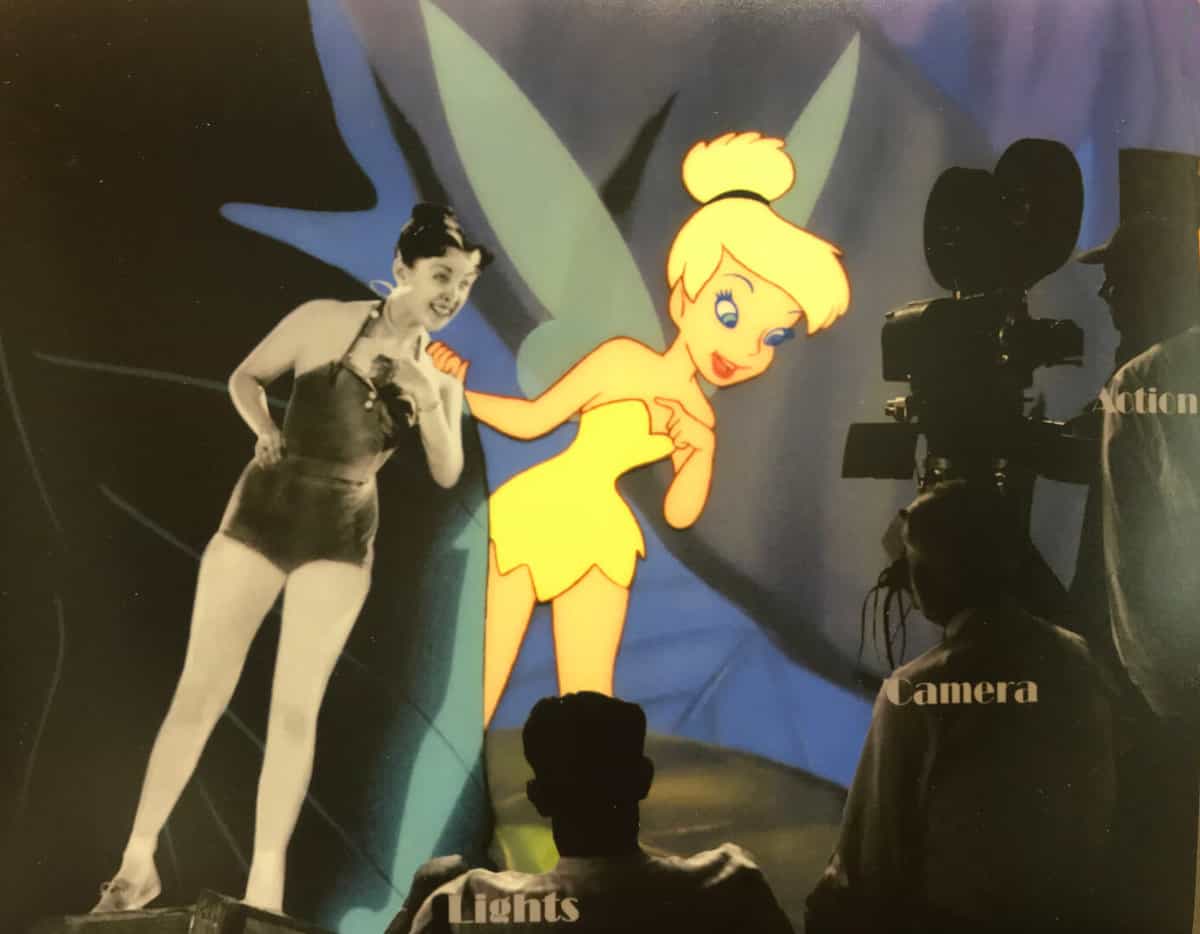
What followed was one of the most unusual acting assignments in Hollywood history. For six to nine months, on and off, Kerry reported to a soundstage that she described as seeming to go on forever, wearing her own one-piece bathing suit with her hair in a bun, performing for animators who watched her every movement and translated what they saw into the character that would eventually appear on screen.
There was no one for her to react to. Props were minimal, occasionally including large scissors or a wire-frame keyhole. Everything else was imagination and physical performance.
The scene where Tinker Bell falls backward into a drawer in Wendy’s dresser room was filmed with Kerry falling backward onto a mattress that, by her own description, seemed about a half-inch thick. The expression of surprise and pain on her face when she hit the mat became the expression on Tinker Bell’s face in the finished film.
That is the level of specificity with which Kerry’s physical performance was translated into animation, and it is why Tinker Bell moved the way she did, with a personality that felt genuinely embodied rather than invented at a drawing table.
Kerry also provided movement reference for the red-headed mermaid in the film and voiced the character, which launched a voice acting career that continued for years.
A Life Larger Than One Character
Margaret Kerry’s connection to Tinker Bell was the most publicly celebrated part of her career, but it represented only one chapter of a life that spanned nearly a century of American entertainment. She starred on The Ruggles, one of the first television shows produced in Hollywood, for 137 episodes between 1949 and 1952.
She appeared on The Andy Griffith Show, voiced characters in multiple animated series, and worked as a motivational speaker, radio host, producer, and writer. Her autobiography, Tinker Bell Talks: Tales of a Pixie Dusted Life, was published in 2016. She published a second booklet in 2019 about her experience with prosopagnosia, the neurological condition that makes it difficult to recognize faces.
For the 100th anniversary of The Walt Disney Company, the ballet shoes Kerry wore during the Tinker Bell reference filming were displayed at The Walt Disney Family Museum, a recognition of the physical artifact connecting a real woman’s performance to a beloved animated character.
Kerry once described seeing Peter Pan for the first time and watching Tinker Bell move across the screen. She called it enchanting. She said it had been a blessing. For the generations of children and adults who have watched that pixie light up the sky at the start of a Disney fireworks show and felt something lift in their chest, that blessing has been entirely mutual.
The second star to the right is shining a little brighter tonight.


