
 Disney Tips Your Guide To A Great Disney Vacation

Marvel Studios is preparing a “new beginning” for the Marvel Cinematic Universe, nearly 17 years after Iron Man (2008) launched the franchise.

Credit: Marvel Studios
The latest comments arrive as Marvel Phase Six takes shape around Avengers: Doomsday (2026) and Avengers: Secret Wars (2027), two films now being positioned less as another crossover event and more as a full course correction for a franchise that has spent the better part of two phases losing its footing.
The shift follows a stretch of visible strain for the MCU, both critically and commercially, and it’s worth understanding exactly what Marvel is trying to fix before looking at how the Russo Brothers plan to fix it.
The MCU’s Recent Struggles
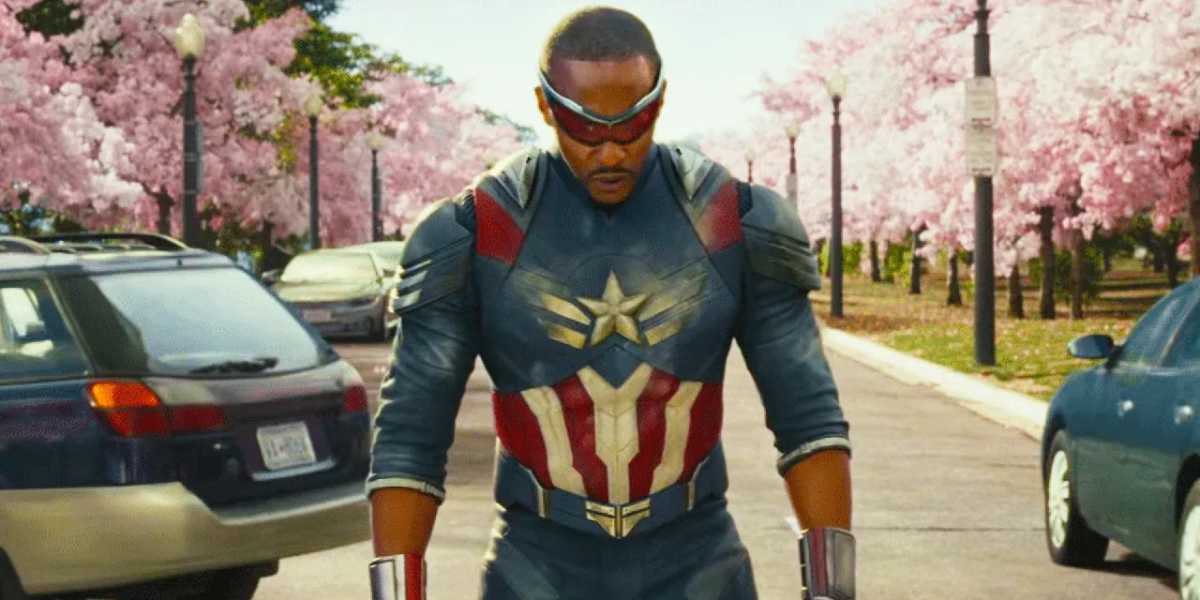
Captain America: Brave New World (2025) underperformed at the box office despite arriving as a marquee Phase Five theatrical release, and its soft reception became something of a symbol for where the MCU had drifted. Marvel Phase Four and Marvel Phase Five were widely criticized for a lack of interconnected storytelling, an over-reliance on Disney+ series to carry narrative weight, and a broader emphasis on quantity over quality.
Credit: Marvel Studios
Even Bob Iger has acknowledged the problem publicly, previously admitting that Marvel had oversaturated its own output in ways that diluted audience enthusiasm. That admission from The Walt Disney Company’s own chief executive at the time gave weight to what fans had been saying for years: there was simply too much MCU content chasing too little cohesive story.
Looking Back at Marvel Phase Four and Phase Five
Marvel Phase Four
Marvel Phase Four began during the COVID-19 pandemic, a launch window that shaped much of its early identity. High points included Spider-Man: No Way Home (2021) becoming one of the biggest box office successes in franchise history, along with the debut of Disney+ originals starting with WandaVision. Despite those wins, fan enthusiasm began to erode as the sheer volume of releases made it harder to keep track of what actually mattered to the overarching story.

Credit: Sony Pictures/Marvel Studios
Marvel Phase Five
Marvel Phase Five saw several theatrical disappointments, including Ant-Man and the Wasp: Quantumania (2023) and The Marvels (2023), both of which struggled to connect with audiences. Deadpool & Wolverine (2024) stood out as a genuine commercial success, and Thunderbolts* (2025) generated stronger-than-expected interest thanks to a distinctive, A24-inspired marketing campaign that broke from Marvel’s usual promotional playbook.
Marvel Phase Six Becomes the Turning Point
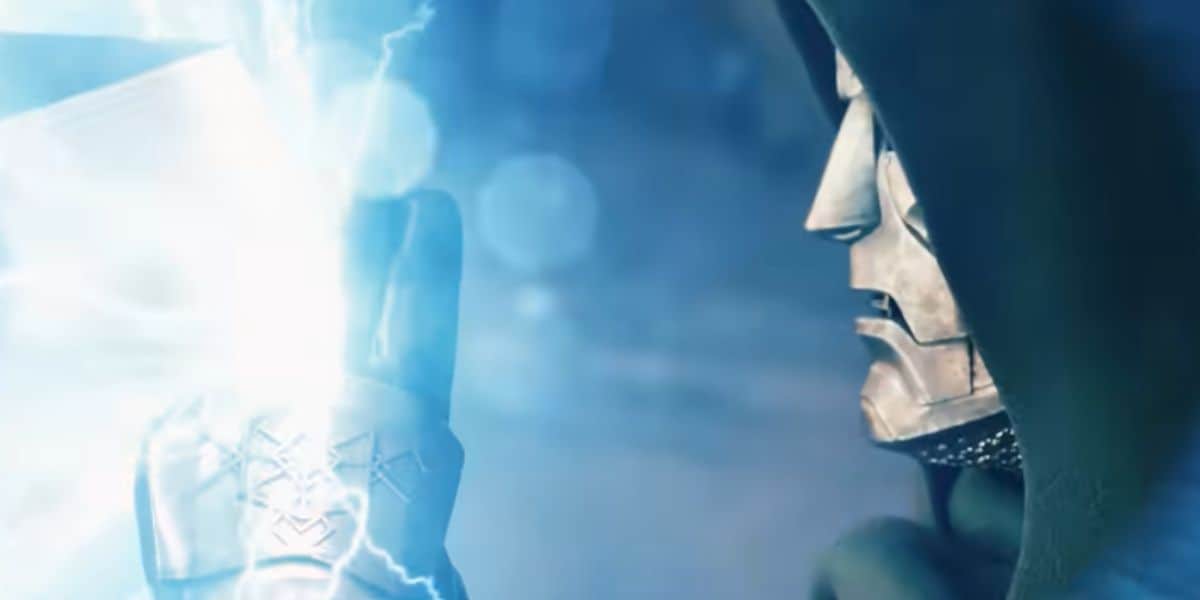
Marvel’s current slate is where the reset actually begins to take shape. The Fantastic Four: First Steps (2025) kicked off Marvel Phase Six, but the real inflection point is Avengers: Doomsday, which brings Robert Downey Jr. (Tony Stark/Iron Man, now Victor von Doom/Doctor Doom) back to the franchise in a villain role rather than reprising Iron Man. The Russo Brothers, who previously directed Avengers: Infinity War (2018) and Avengers: Endgame (2019), are also returning to direct.
Credit: Marvel Studios
The Russo Brothers Confirm a “New Beginning”
In an interview with Omelete, the Russo Brothers made their intentions for the next two Avengers films explicit, describing them as “a beginning” rather than a continuation of the story they closed out with Avengers: Endgame. Having already told an ending story once, the directors say they’re now setting up the next era of the MCU rather than revisiting old ground.
“It’s a beginning,” the Russo Brothers told Omelete, distinguishing their new Avengers films from the closure they delivered with Avengers: Endgame.
The pair have also said they only agreed to return because they found a story worth telling, a detail that matters given how skeptical fans have grown toward legacy filmmakers coming back for one more round.
Rather than functioning as a conclusion to the Multiverse Saga, Avengers: Doomsday and Avengers: Secret Wars appear designed to effectively restart the franchise’s direction. That framing directly addresses one of the most persistent fan criticisms of the post-Endgame era: the Multiverse Saga never had a clear overarching narrative the way the Infinity Saga did.
Credit: Marvel Studios
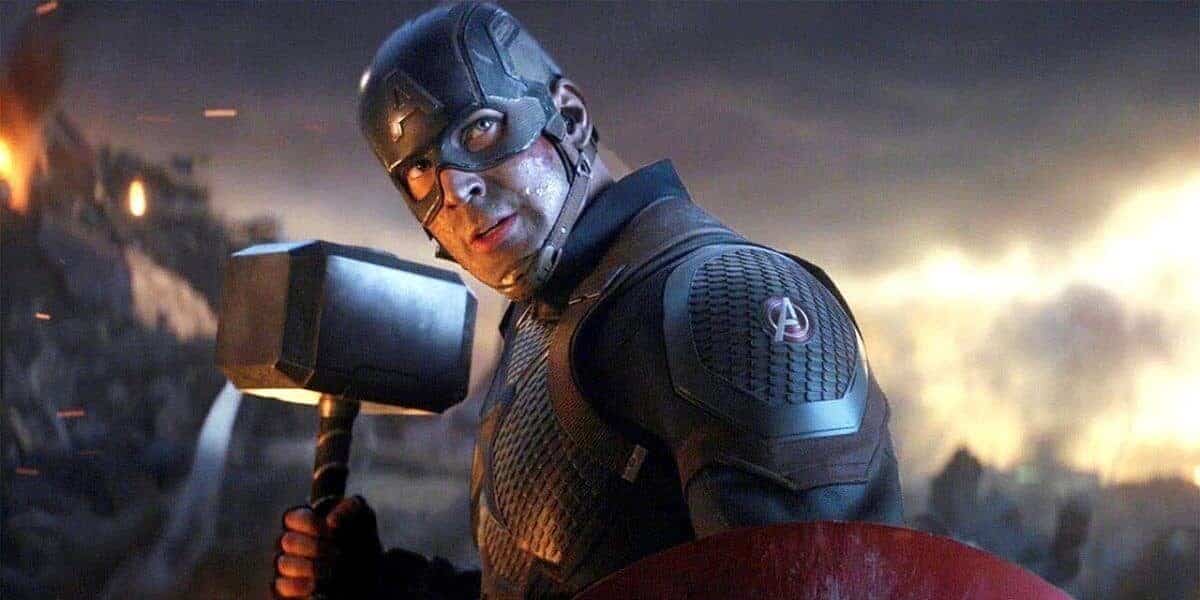
Kevin Feige Confirms Avengers: Endgame Was “the End”
Marvel Studios appears ready to turn the page on one of the most divisive chapters in the Marvel Cinematic Universe. After years of expanding the franchise with interconnected Disney+ series and Multiverse Saga storylines, studio president Kevin Feige has also indicated that Avengers: Secret Wars will mark far more than the conclusion of an era—it will lay the foundation for a dramatically different MCU.
Speaking to the Chinese press (via Comic Book Movie), Feige explained that the next two Avengers films will serve a dual purpose, bringing long-running storylines to a close while preparing audiences for what comes next.
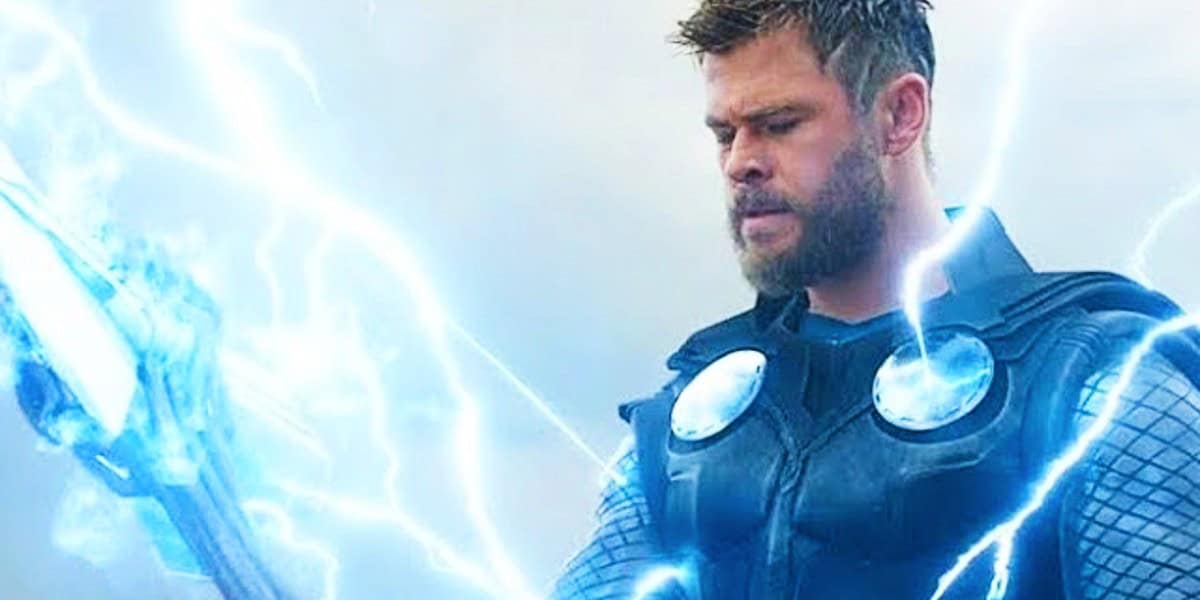
“We want to do two things,” Feige recently told reporters of Avengers: Doomsday and Avengers: Secret Wars. “First, to bring some storylines to a close, those that started long before Iron Man, including the original X-Men characters. Second, to simultaneously set the stage for the future.”
Credit: Marvel Studios
He went on to suggest that Secret Wars will function as a fresh beginning for the franchise following the conclusion of the Multiverse Saga.
“Avengers: Endgame was truly an end, and since then, we’ve tried and experimented with many new things. But Avengers: Secret Wars is a beginning,” he continued. “It will establish a streamlined, simplified, single universe that we can keep up with. Some things will be familiar, but many, many things will be entirely new.”
“Going back to what we mentioned earlier about attracting young people and connecting with a new generation of audiences, that’s exactly what the next universe will be about.”
Despite ongoing discussions surrounding so-called “superhero fatigue,” Feige made it clear that Marvel Studios has no intention of slowing down anytime soon. According to the executive, the studio is already mapping out stories well into the next decade.

Credit: D23
“We were just in a Marvel Studios meeting room, planning movies all the way up to 2042,” he shared. “Whether we can make it to 2042? Who knows? Will it be those movies? Who knows? But this is how we approach and plan the vast amount of potential stories in the comics.”
If the Russo Brothers and Feige’s comments hold up, Phase Six isn’t closing a chapter. It’s opening one. Watch the Avengers: Doomsday trailer here:
Spider-Man’s Role in the New Era
The “new beginning” framing extends to Tom Holland (Peter Parker/Spider-Man) and his next solo film. Peter Parker is expected to begin a fresh chapter following the ending of Spider-Man: No Way Home, with Destin Daniel Cretton directing. That lines up with prior comments from Jon Watts, who directed Holland’s first trilogy and has described it as one extended origin story now fully closed out.
Marvel appears to be treating Marvel Phase Six as a full reset rather than simply another crossover event. Avengers: Doomsday and Avengers: Secret Wars are being positioned as the launchpad for the MCU’s next generation of stories, not a farewell tour for the one audiences have followed for almost 20 years.
How do you feel about Marvel effectively ending the Multiverse Saga and moving forward with something new? Let us know in the comments down below!


