Broken Magic: Why Walt Disney World’s Relentless Ride Breakdowns Are Ruining Vacations

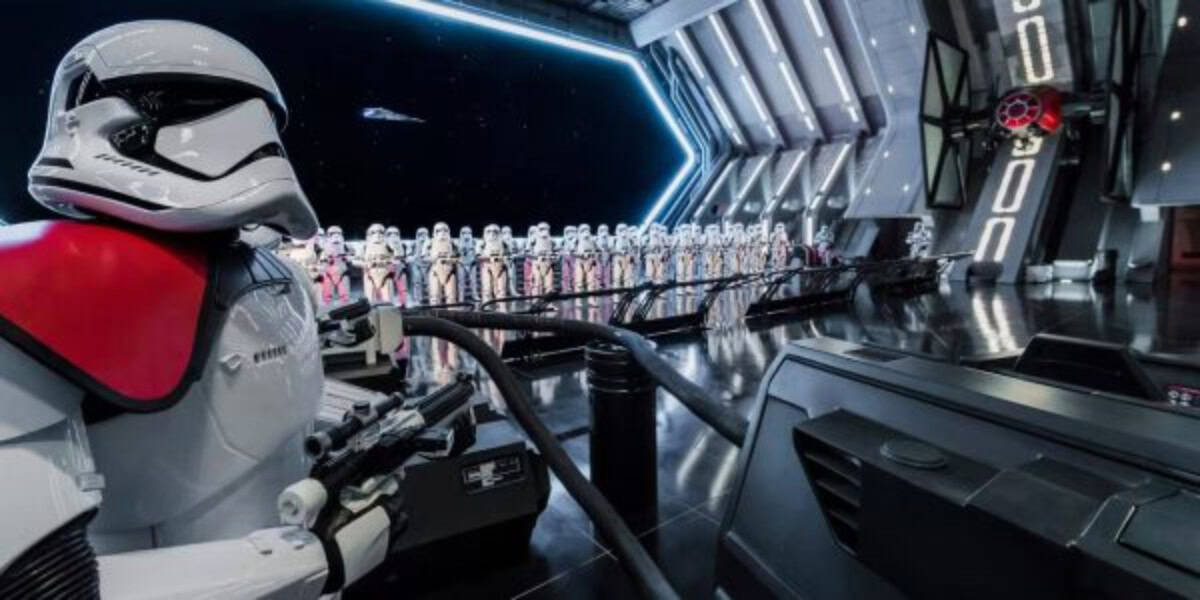
You have set 6:30 a.m. alarms, paid nearly $200 per ticket, and spent extra cash on Lightning Lane access to beat the midday rush. After an eighty-minute wait in standby, you finally see the vehicle gates pull into view. Then comes the dreaded chime: “Due to unforeseen circumstances, this attraction has temporarily suspended operations.”
Cast members usher you toward the exit, handing out digital return passes as overhead house lights flicker on. While mechanical downtime has always been part of the theme park equation, unexpected closures across Walt Disney World have shifted from occasional bad luck into an everyday operational slog.
From multimillion-dollar trackless headliners to thirty-year-old omnimovers, rides across the resort are showing severe signs of mechanical strain. Yet Disney keeps leaning on overnight band-aids rather than pulling them offline for deep refurbishments, leaving guests to shoulder the lost time.
The Shutdown Ledger: Tracking a Month of Failures
Monthly operational data across the parks reveals just how fragile the resort’s ride infrastructure has become:

- Test Track (EPCOT): Leading the entire property in downtime, Test Track logged an astonishing 67 closures over 25 days—averaging nearly 3 operational failures per day.
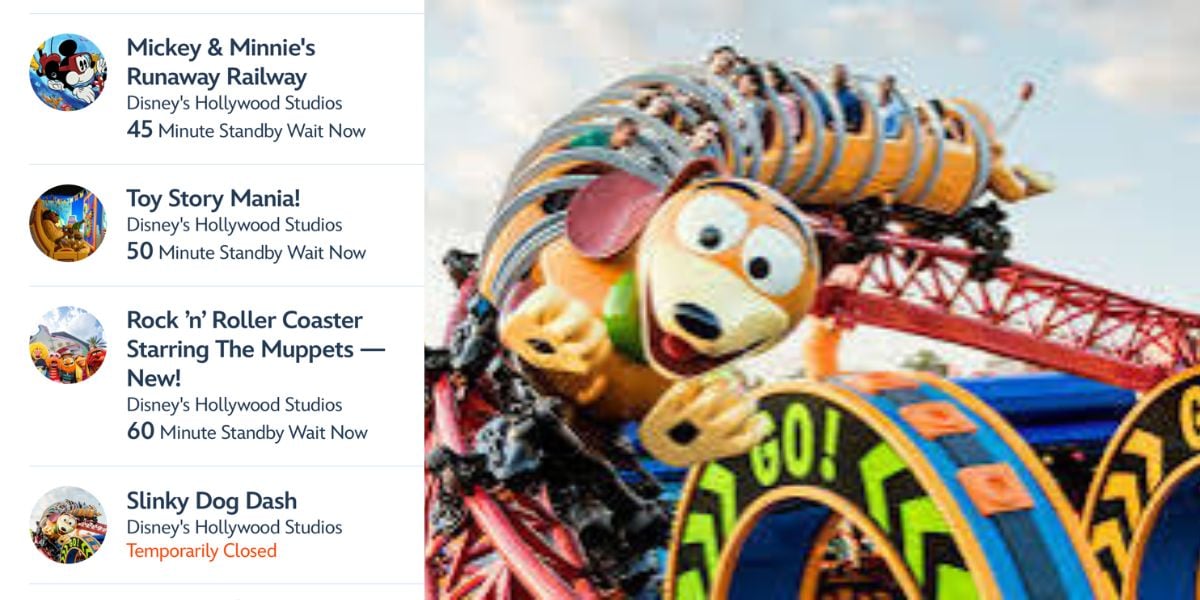
- Slinky Dog Dash (Hollywood Studios): The park’s premier family coaster halted 36 times in 21 days, regularly blowing up early-morning rope-drop strategies.
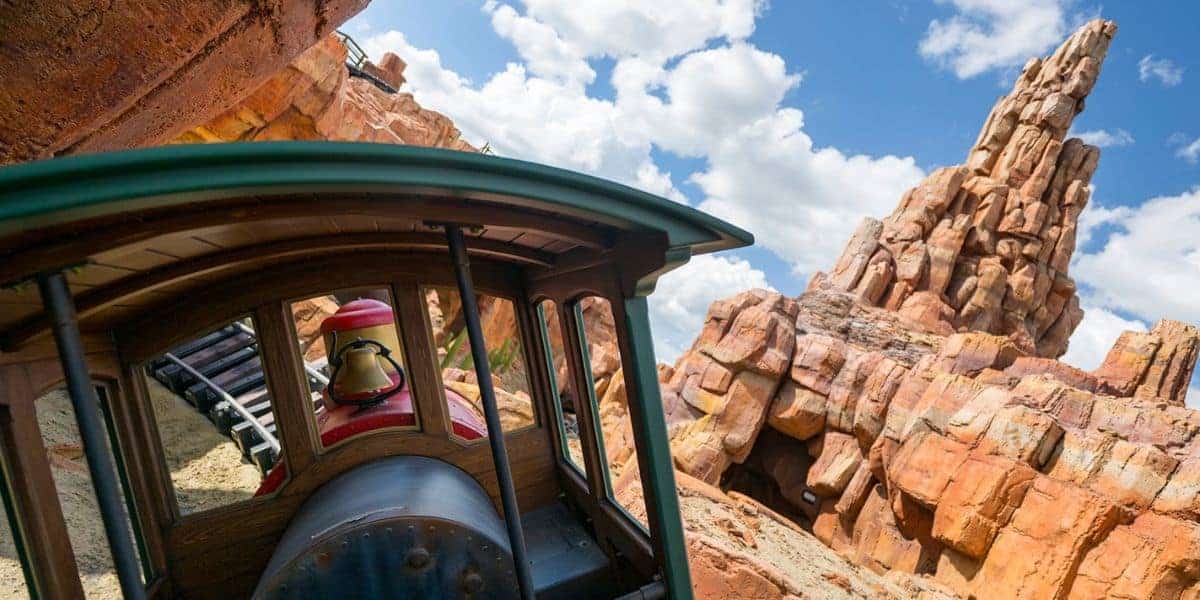
- Big Thunder Mountain Railroad (Magic Kingdom): Frontierland’s runaway train bucked riders off with 34 closures across 24 days.
- The Many Adventures of Winnie the Pooh (Magic Kingdom): Fantasyland’s gentle honey-pot dark ride recorded 33 closures in 20 days.
- Remy’s Ratatouille Adventure (EPCOT): The France Pavilion’s trackless 3D ride shut down 31 times in 18 days, victimized by sensitive floor-positioning sensors.
- Mickey & Minnie’s Runaway Railway (Hollywood Studios): The Chinese Theatre headliner recorded 29 closures in 18 days.
- The Seas with Nemo & Friends (EPCOT): Even this sedate “clammobile” omnimover stopped running 29 times in 18 days.
- Star Wars: Rise of the Resistance (Hollywood Studios): The resort’s most complex attraction logged 28 closures across 16 days.
- Rock ‘n’ Roller Coaster Starring The Muppets (Hollywood Studios): The newly reimagined indoor launch coaster registered 21 closures in 16 days.
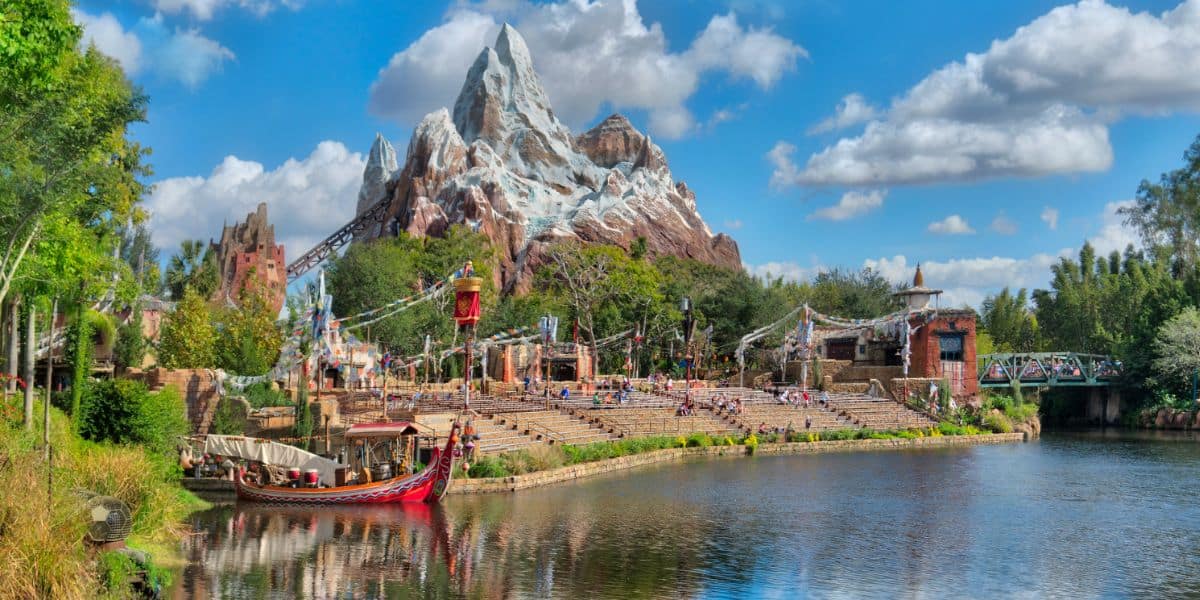
Only Disney’s Animal Kingdom held steady, with almost every ride closing three times or fewer all month, outside of Kali River Rapids (10 closures in 9 days) and Expedition Everest.
Why Disney Won’t Pull the Plug
If so many headliners are breaking down, why hasn’t Disney scheduled comprehensive refurbishments?
The answer comes down to park capacity. With ongoing expansion projects and construction walls already squeezing guest pathways across Magic Kingdom and Hollywood Studios, park leadership cannot afford to take major crowd-absorbing rides offline for months at a time. Doing so would funnel thousands of displaced visitors into the few remaining operational queues, creating catastrophic wait times across the park.
Management is trapped: shut down the rides and gut daily park capacity, or patch them overnight and hope they survive the next operating day.
Protecting Your Trip
When a single park day costs hundreds of dollars per person, losing hours to being stranded in queues quickly degrades the value of a vacation.
To hedge against delays, always verify ride status in the My Disney Experience app at turnstile opening rather than blindly sprinting to temperamental coasters at rope drop. Prioritize trackless rides early, before heat and constant cycling cause sensor trips, and rely on high-capacity theater shows (The American Adventure, Mickey’s PhilharMagic) as climate-controlled refuges when multiple midways are gridlocked.