 Disney Tips Your Guide To A Great Disney Vacation

Disney’s Bold Move into Streaming
Disney has recently made headlines with a multi-billion-dollar agreement with the National Football League (NFL), indicating a pivotal shift in their approach to media. This significant deal aims to bolster Disney streaming services, particularly through its subsidiary ESPN, by transitioning from traditional cable television to digital streaming platforms. The key focus is on adapting to an audience that has increasingly leaned towards online content consumption.
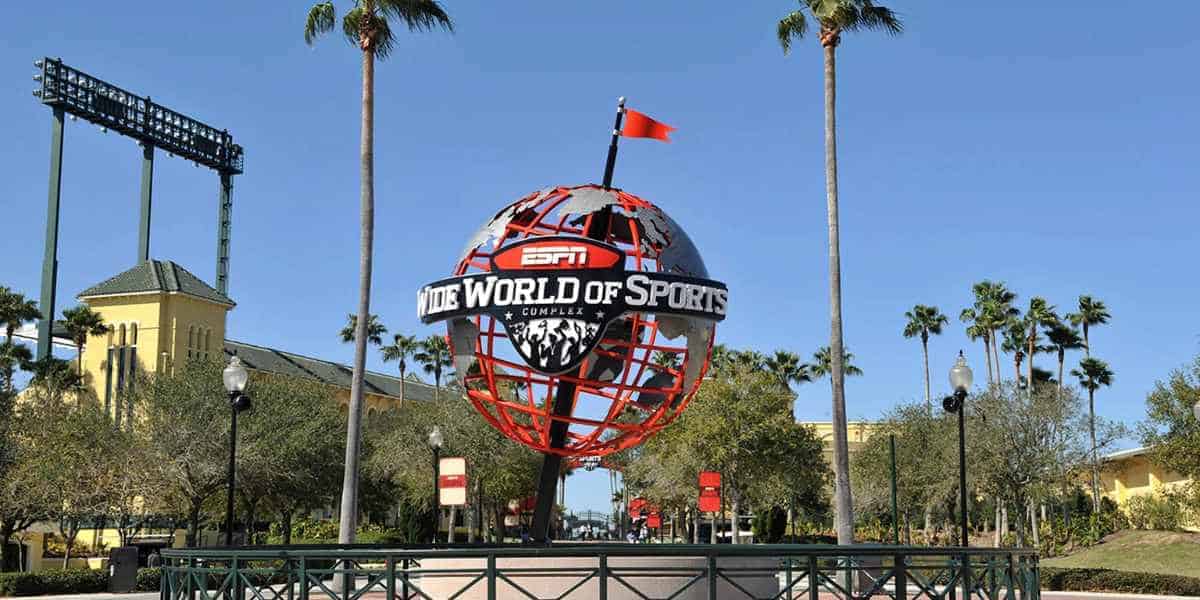
Credit: Disney
ESPN has long been a staple of cable sports broadcasting, but the company recognizes the need to pivot towards digital offerings as the current media landscape evolves. The new agreement highlights ESPN’s ambition to become a dominant player in sports streaming, securing rights for major NFL events and further integrating itself into the streaming ecosystem. As viewers turn away from cable, ESPN’s fresh strategy positions it as a necessary choice for sports fans who prefer the flexibility of streaming.
Viewer habits have transformed dramatically, with many opting for on-demand services that allow greater control over their viewing experience. By embracing this shift, Disney is ensuring its relevance in the industry and enhancing viewer satisfaction. The reliance on sports as a primary draw highlights ESPN’s intent to provide engaging content that meets the contemporary viewer’s expectations, thus making Disney streaming a competitive proposition in a crowded market.
Transforming Sports Broadcasting
The agreement with the NFL includes the acquisition of key media properties such as the NFL Network, Red Zone programming, and access to the NFL’s extensive film library. This cultural and economic partnership aims to redefine the dynamics of sports broadcasting. By acquiring these properties, ESPN can offer a varied range of content, making its streaming services indispensable for football enthusiasts.

Credit: ESPN
With the integration of NFL media properties, ESPN is aptly positioned to provide an enriched content portfolio. Subscribers can look forward to more regular-season NFL games, including exclusive international matchups, which entertain and attract diverse viewership. This expanded content access creates a more robust ESPN experience that fans are likely to flock to.
Furthermore, this agreement allows ESPN to forge deeper ties with the NFL, including creating a shared business stake. Such partnerships are becoming increasingly essential in the evolving media landscape, promoting collaborative efforts in content creation. The financial commitment illustrated in this deal is expected to lead to innovative programming strategies, elevated fan engagement, and unique viewer experiences that set ESPN apart from its competitors.
Subscriber Benefits and Growth
Industry experts say the comprehensive agreement will substantially enhance every ESPN subscriber’s experience. Fans will benefit from improved access to NFL-related content, including dedicated programming for fantasy football and crucial NFL games. This initiative aligns perfectly with Disney’s intent to deliver premier sports entertainment directly to its audience.
Credit: Gage Skidmore, Dave Wilkinson, Flickr.
Offering additional NFL content will help ESPN engage casual viewers and hardcore football fans. Whether fans wish to enjoy the thrill of live games or dive deeper into analyses with the NFL’s expansive film library, this agreement caters to a broad spectrum of sports enthusiasts. This strategic differentiation is vital in acquiring new subscribers while retaining existing ones.
As the competitive landscape for streaming intensifies, bolstering subscriber numbers becomes increasingly critical. ESPN’s enhanced offerings are expected to attract more fans, consequently resulting in a robust subscriber base that can provide consistent revenue streams. The seasoned partnership between Disney and the NFL is anticipated to drive growth and make Disney streaming a household name in sports viewing.
Facing Linear Cable Challenges
Despite the promising outlook provided by the deal with the NFL, the challenges faced by traditional linear cable networks persist. Advertising revenues for cable channels are largely stagnating as audiences flock to more engaging, flexible streaming solutions. Disney’s proactive approach through ESPN indicates its awareness of these trends and its commitment to a 21st-century media strategy.

Credit: Inside the Magic
The ongoing trend of cord-cutting underscores a more profound industry shift. With many opting out of cable subscriptions, linear television’s fate hangs precariously in the balance. Disney and ESPN’s move demonstrates their acknowledgment of cord-cutting’s impact while attempting to nullify its adverse effects on their business model through significant investments in digital streaming.
By collaborating closely with the NFL, ESPN strategically positions itself at the forefront of a streaming-first future. As linear cable continues to decline, this approach aims to create a robust foundation for a streaming-centric ESPN. The deal reflects an immediate response to industry dynamics and signifies Disney’s long-term strategy to thrive in an evolving media landscape shaped heavily by digital consumption preferences.
In this rapidly changing environment, Disney’s collaboration with the NFL marks a notable transition, signaling not just a reaction to current trends but an assertion of innovation to ensure the longevity of Disney streaming.