
 Disney Tips Your Guide To A Great Disney Vacation

Current Challenges in the Theme Park Industry
The theme park industry faces significant hurdles as attendance and revenue decline. Recent data indicates that Six Flags, known as North America’s largest theme park company, experienced a staggering $100 million drop in revenue in the second quarter alone. Attendance plummeted by nine percent, with season pass purchases also down by eight percent. Such numbers paint a stark picture of the industry’s current struggles, causing concern among investors and analysts.

Six Flags Headquarters. Credit: Six Flags
Several economic factors contribute to these diminished numbers—rising costs and inflation force families to reconsider their entertainment budgets, with many opting for alternatives. The ongoing competition from venues outside traditional amusement parks, including streaming services and immersive entertainment experiences, puts additional pressure on theme parks to evolve. This competitive landscape amplifies the urgency for effective leadership capable of navigating these turbulent waters.
The Polarizing Figure of Bob Chapek
Bob Chapek, once the Disney CEO, remains a polarizing figure within the theme park sector. His time at Disney was marked by notable achievements and substantial controversies, which continue to color public perception. Chapek introduced significant changes during his tenure, including the paid Disney Genie+ system that replaced the previously free FastPass service. This move met with resistance from fans who argued it diminished the guest experience.

Credit: ABC
Moreover, Chapek was responsible for eliminating beloved services such as the Magical Express transportation and complimentary parking at Disney World Resorts, decisions that left many dedicated patrons disheartened. Despite these controversies, his contributions to major projects, like Shanghai Disneyland, cannot be overlooked. His expertise in theme park management creates a complex narrative; while his leadership elicited mixed responses, it also harbors the potential for revitalizing a struggling company like Six Flags.
Recent Leadership Changes at Six Flags
The recent resignation of Richard Zimmerman, the former CEO of Six Flags, intensified the dialogue around potential leadership candidates, including Bob Chapek. Zimmerman cited severe financial performance challenges, with an eye-popping $100 million revenue loss and a significant decline in guest numbers as key factors leading to his exit.
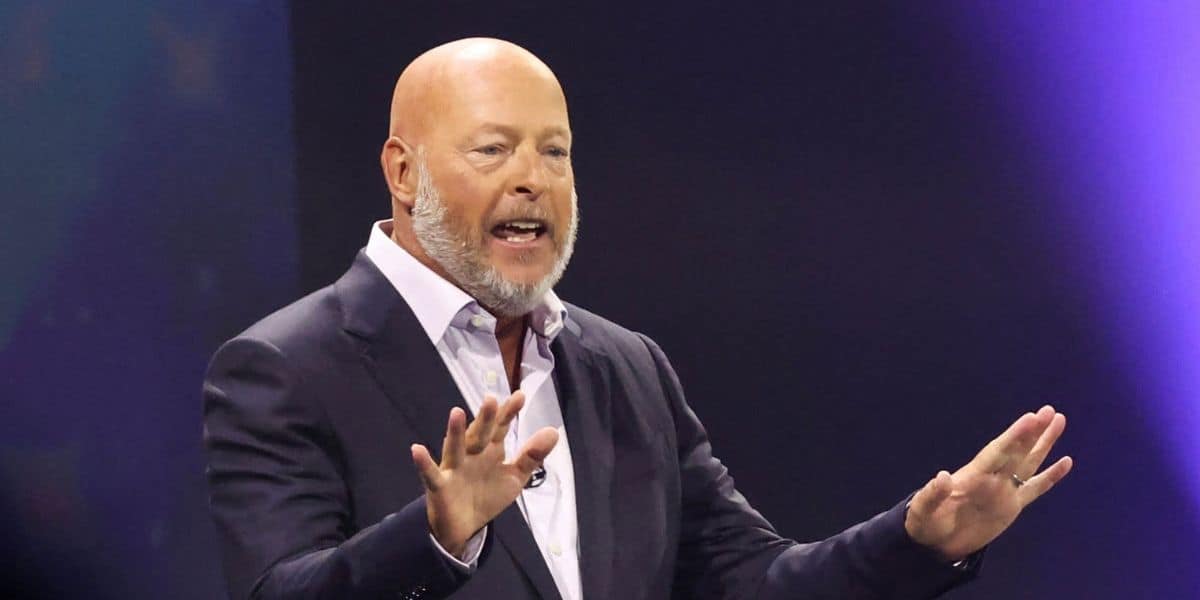
Credit: Disney
The current situation at Six Flags presents a ripe opportunity for organizational transformation. Investors and stakeholders recognize that the company risks further financial decline and reduced competitiveness without strategic adjustments. Bob Chapek’s extensive experience could be invaluable, as he has a robust understanding of theme park operations that may help identify and rectify inefficiencies. The potential for his leadership raises questions about the future direction of Six Flags amid ongoing struggles.
Evaluating Leadership Candidates
As the discussion progresses, other candidates for the leadership role at Six Flags have gained attention, including Michael Colglazier, former President of Disney Parks International and current CEO of Virgin Galactic. Colglazier brings nearly three decades of Disney experience and a fresh perspective, making him a formidable contender.

Credit: Disney Tips
A comparison between Chapek and Colglazier highlights their respective strengths and weaknesses. Chapek’s proven track record within theme park operations equips him with the necessary insights to tackle the challenges presently facing Six Flags. Conversely, Colglazier’s global experience may foster innovative strategies to enhance guest experiences.
Ultimately, the leadership choice will hold significant implications for Six Flags’ strategic direction, especially in its pursuit of financial recovery and improved guest engagement. The theme park landscape continues to change, and stakeholders remain keenly aware of effective leadership’s vital role in navigating these turbulent waters. Bob Chapek’s potential return to theme park management at Six Flags could lead to a renewed focus on operational efficiencies, but it also sparks conversations filled with mixed sentiments. The future direction of Six Flags directly hinges on the decisions made in this critical period of transformation.


