 Disney Tips Your Guide To A Great Disney Vacation
Financial Woes of Six Flags
Six Flags is navigating through treacherous waters, grappling with a 17% decline in attendance this summer. This downturn has resulted in an alarming revenue loss estimated at $100 million for the year’s second quarter. Due to these financial struggles, a sense of uncertainty looms over the company’s future. The recent resignation of CEO Richard Zimmerman has only amplified concerns among investors and industry analysts alike, provoking speculation about what comes next for the iconic theme park operator.
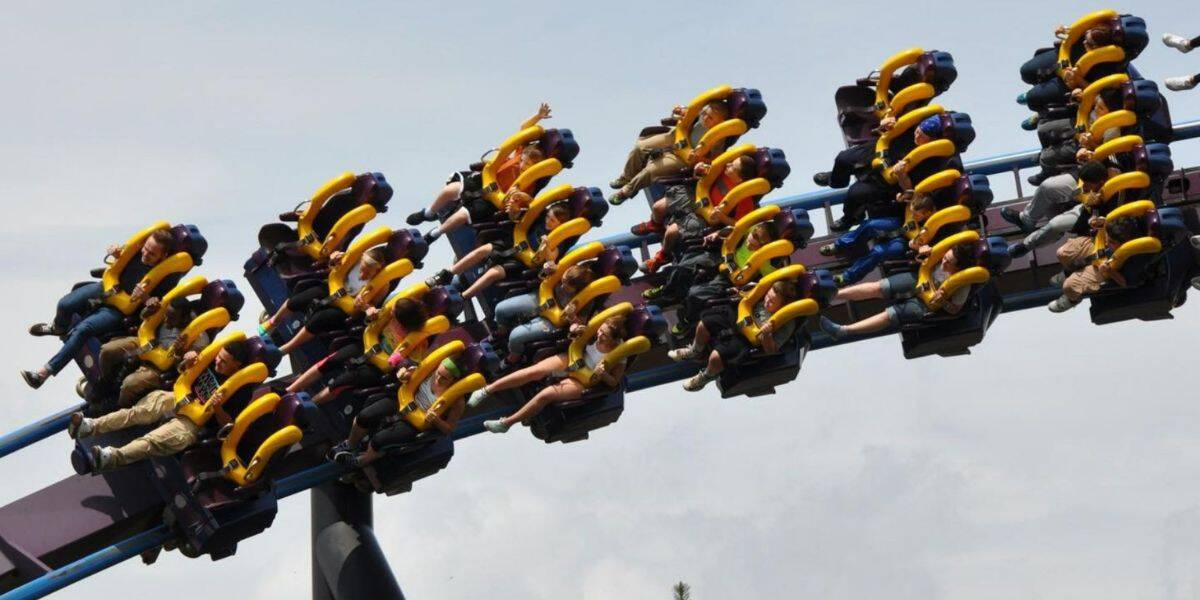
The company’s difficulties stem from external market factors and internal operational issues. While there have been claims that unfavorable weather conditions have impacted visitor numbers, many insiders argue that a deeper, more systemic problem is at play. With mounting evidence of deteriorating financial health, conversations have shifted towards drastic potential outcomes, including bankruptcy or a major park sell-off.
Potential Asset Liquidation Strategy
In light of escalating financial pressures, market analysts increasingly suggest that Six Flags may need to embark on a significant asset liquidation strategy. Industry experts have proposed that the company could be forced to divest up to half of its parks to stabilize its financial situation. This bold measure, while drastic, is viewed by some as the company’s only viable option at this point. Dennis Speigel, a veteran consultant in the amusement park sector, emphasized that unloading 10 to 12 parks could provide the necessary capital infusion to help Six Flags regain its footing.

Experts suggest that the urgency of financial stabilization cannot be overstated. Despite some reluctance to entertain the idea of selling off valued assets, the stark reality is that Six Flags risks complete bankruptcy without immediate and effective action. The prevailing sentiment among analysts is that divestiture is not just a strategic option; it may be a crucial step towards recovery.
Impact on Guest Experience
As Six Flags attempts to navigate these financial challenges, the decline in guest experience has had notable repercussions. Significant staff reductions have led to decreased service quality and longer wait times for attractions. Due to these operational cutbacks, guests have reported a less-than-satisfactory experience, eroding the brand loyalty that theme parks depend upon.

Moreover, Six Flags has introduced new fees for in-park experiences that were once included in the admission price to offset financial losses. This shift to a fee-based model risks alienating loyal customers facing heightened costs, further compounding the company’s attendance woes. The fallout from these changes is apparent, as customer dissatisfaction grows, raising alarms about the sustainability of Six Flags’ brand reputation in a highly competitive marketplace.
Challenges from the Recent Merger
The backdrop of these challenges is rooted in the recent merger that created North America’s largest theme park operator. The compatibility of differing growth strategies between Six Flags and its merger partner, Cedar Fair, has emerged as a significant issue. While Cedar Fair has favored steady growth, Six Flags has pursued a more aggressive approach that has not yielded the anticipated results. Industry insiders have pointed to this misalignment as a foundational problem contributing to the current crisis.

Adding further strain is the substantial debt Six Flags inherited from the merger, which now hampers its operational flexibility and ability to invest in guest experiences. As financial pressures mount, it becomes increasingly evident that Six Flags needs a strategic overhaul to regain its market position. The company’s next steps will be critical to determining whether it can avert bankruptcy or will be forced into a major park sell-off, as many analysts fear.
As Six Flags contemplates its next moves, the convergence of declining attendance, revenue losses, and a post-merger reality paints a grim picture. With immediate solutions necessary, the stage is set for a pivotal period in the company’s history, where tough decisions will shape its future.