
 Disney Tips Your Guide To A Great Disney Vacation

Attendance Challenges for Six Flags
Six Flags is grappling with a significant visitor decline, experiencing a troubling 17% drop in guest attendance compared to previous years. This decline is not merely a seasonal blip; it has raised alarm bells among investors concerned about the company’s future. Weather conditions have played a crucial role in this downturn, with heavy rainstorms throughout the summer dissuading families from visiting the parks. As people shift their spending and leisure choices amid challenging economic factors, the pressure on Six Flags only intensifies.
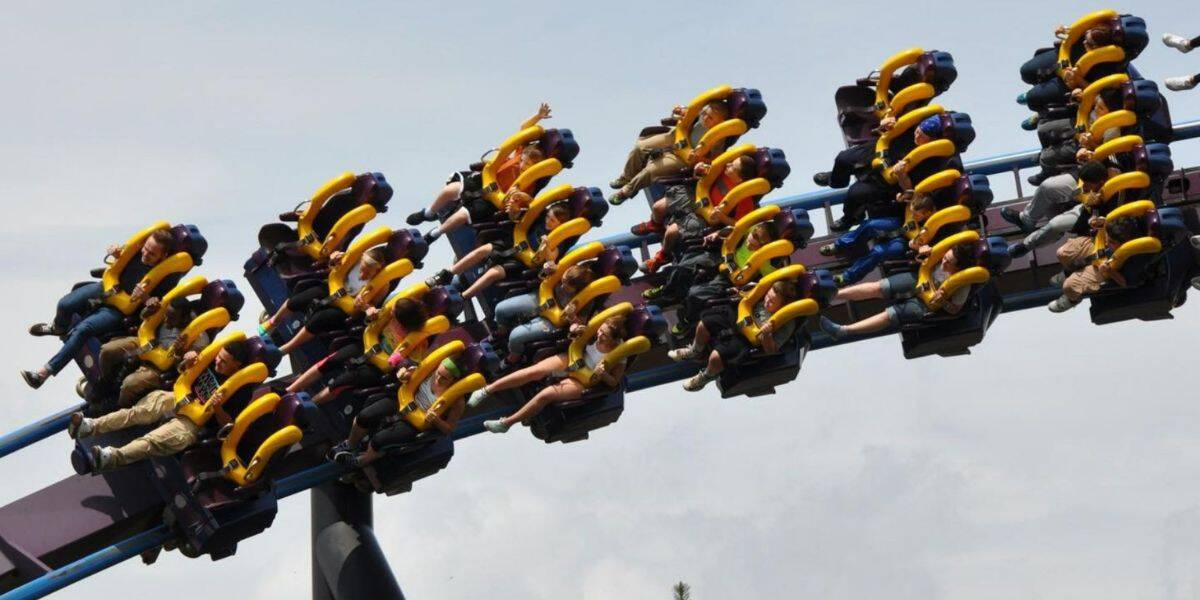
A detailed look at attendance trends reveals that this summer is one of the most challenging seasons for the amusement park giant. The once bustling parks, known for their thrilling rides and family-friendly entertainment, are now witnessing empty queues and a lack of energy previously unheard of. As Six Flags works to address these issues, it must confront the reality of needing visitors to turn things around.
Legal Troubles Looming for Six Flags
In addition to the attendance woes, Six Flags is now facing a potentially serious investor lawsuit. Spearheaded by the Schall Law Firm, the legal action raises allegations that the company may have issued misleading financial statements regarding its economic health. Investors are questioning whether Six Flags adequately disclosed its financial struggles, which could have critical implications for the company and its shareholders.
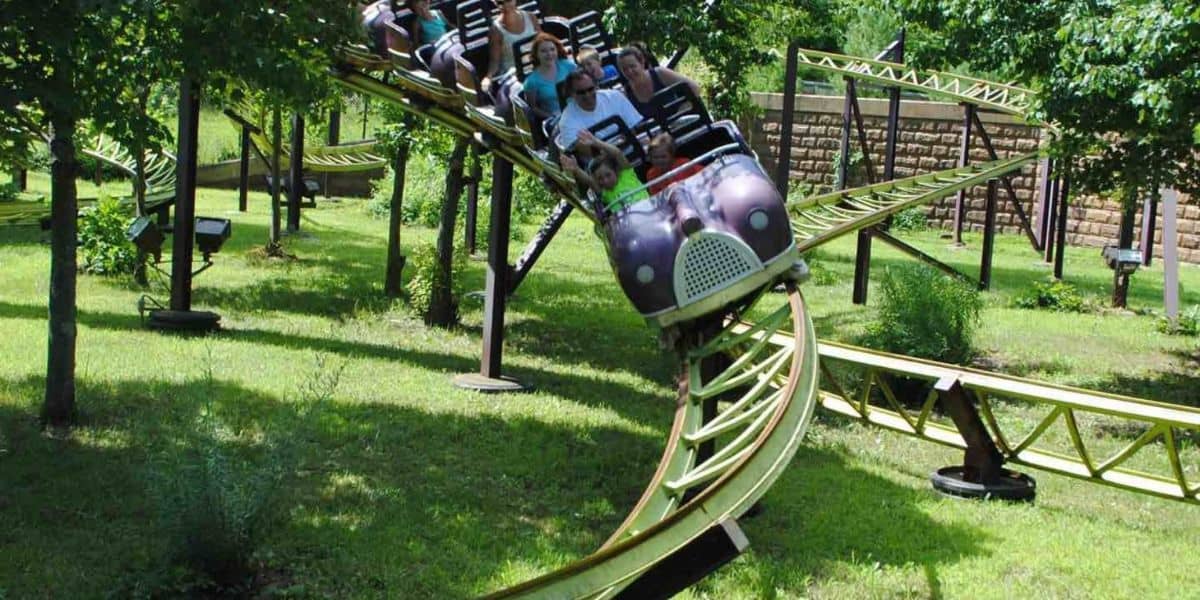
This lawsuit comes at a pivotal moment for Six Flags, adding another layer of difficulty to an already challenging situation. Legal proceedings could compel the company to open its books, exposing internal documents that might reveal unsettling discrepancies. If the allegations prove valid, the ramifications could extend beyond financial restitution to broader investor trust and market confidence changes.
Financial Impact of Attendance Decline
The declining attendance at Six Flags has severe implications for its financial performance. The company’s stock has plummeted by 47% since the start of the year, directly reflecting investor trepidation surrounding its future. This devaluation has occurred alongside a significant revenue decline estimated at $100 million in the second quarter alone, raising concerns about the long-term viability of the business model.

The attendance drop has also resulted in fewer season pass purchases and lower renewal rates, further exacerbating revenue challenges. With some parks already closed, including one in Maryland, speculation is growing that Six Flags may need to consider additional closures to streamline operations. Industry observers are voicing concerns that park redundancies, particularly following the merger with Cedar Fair, could further deepen the company’s financial woes.
Strategic Options for Recovery
As Six Flags navigates this tumultuous period, industry experts are weighing in on potential strategies that could aid in its recovery. One popular suggestion involves selling assets, such as Knott’s Berry Farm, to bolster financial stability. Such a move could infuse much-needed capital into the company while allowing it to focus on its more profitable attractions.

Moreover, there is ongoing discussion about the need for new leadership to revitalize the business. Speculations regarding former Disney CEO Bob Chapek stepping into a leadership role at Six Flags have surfaced, with many believing his experience in the amusement and entertainment sectors could be invaluable in steering the company towards a more promising future.
The road ahead is steep for Six Flags. It faces significant challenges, from declining attendance and the looming investor lawsuit to uncertainties surrounding its financial stability. Six Flags can work towards reversing its fortunes and restoring stakeholder confidence by considering strategic options for asset sales and recognizing the importance of effective leadership. The time for decisive action is now, as the clock ticks on the company’s ability to adapt and thrive in an increasingly competitive market.


