 Disney Tips Your Guide To A Great Disney Vacation
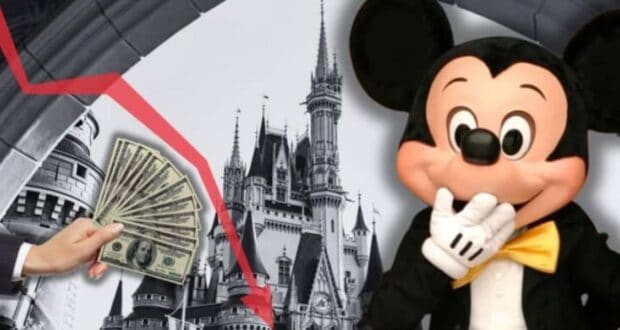
For decades, a trip to Walt Disney World was the quintessential “middle-class reward.” It was the vacation families saved for over a year—a week of total immersion in a world where the only thing that mattered was which mountain you were riding next. But as we move through 2026 and look toward the start of the next decade, that dream is undergoing a radical, expensive transformation.
If current pricing trends continue, a standard seven-day family-of-four vacation at Walt Disney World is projected to cost a staggering $11,000 by 2031.
We aren’t talking about a luxury stay at the Grand Floridian with VIP tour guides. We’re talking about a “moderate” trip: a mid-tier hotel, standard park tickets, and basic dining. For the average American family, the “Most Magical Place on Earth” is rapidly becoming the most exclusive.
The Math Behind the Magic
To understand the jump to $11,000, you have to look at the compound interest of Disney’s price hikes. Since 2014, Disney World costs have outpaced the rate of inflation by nearly double.
By 2026, we’ll have already seen the “low-cost” barriers fall. A single-day ticket during a holiday week now flirts with the $200 mark, and a family of four can easily spend $300 on a single “quick-service” lunch and dinner. When you factor in an average 6-8% annual increase over the next five years, the $11,000 price tag isn’t just a “worst-case scenario”—it’s the baseline.
- Lodging: By 2031, “Value” resorts like the All-Stars will likely command $350-$400 per night.
- Tickets: A 4-day Park Hopper pass for a family of four will likely clear $3,500 before you even step through the turnstiles.
- The “Extras”: Genie+, Lightning Lanes, and the new “Premier” skip-the-line tiers could add another $1,500 to a week-long stay.
The “Premium” Pivot: Is the Middle Class Still Invited?
Disney’s corporate strategy has shifted visibly over the last few years. Executives have moved away from the “high volume” model of the early 2000s toward a “high yield” model. In plain English, Disney would rather have fewer people in the parks if those people are willing to spend $2,500 a day.
This pivot is effectively pricing out the traditional middle-class family. In 2026, the median household income in the U.S. is struggling to keep up with the soaring costs of housing and groceries. When a one-week vacation costs 15-20% of a family’s total annual take-home pay, Disney is no longer a “vacation”—it’s a significant capital investment, akin to buying a car or renovating a kitchen.
“We are entering an era where the Disney ‘rite of passage’ is being replaced by the Disney ‘luxury status symbol.’ The castle is still there, but the moat is now made of money.”
The Hidden Costs: Death by a Thousand “Add-Ons”
It isn’t just the tickets and rooms that are draining bank accounts. The real “middle-class killer” is the loss of the all-inclusive feel. In the past, your resort stay included airport transportation (Magical Express) and the ability to skip lines for free (FastPass).
Today, every convenience has a price tag. By 2031, we expect to see:
- Dynamic Pricing Everything: Not just for tickets, but for individual rides and even specific dining times.
- The End of the “Budget” Meal: As food costs rise, the $20 burger will become the $35 burger.
- Transportation Surcharges: Parking, ride-sharing, and premium shuttles can add up to hundreds of dollars before the trip is over.
Can the Magic Survive the Price Tag?
The question isn’t just if families can afford it, but if they will choose to. We are already seeing a rise in “Disney Fatigue.” Families are turning to Universal’s Epic Universe or high-end regional parks like Dollywood, where $11,000 can fund three or four separate vacations instead of just one.
As we approach 2031, the $11,000 threshold represents a breaking point. For the top 10% of earners, the parks will remain a playground. But for the millions of families who grew up on Disney magic, the gates may finally be closing—not because they don’t want to go, but because they simply can’t afford the “Mickey Tax.”