 Disney Tips Your Guide To A Great Disney Vacation
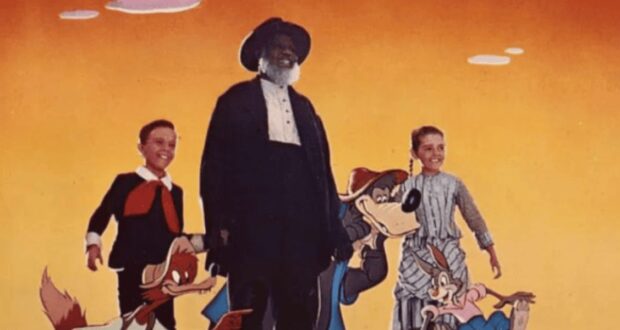
For nearly four decades, The Walt Disney Company has kept its most controversial piece of cinematic history securely under lock and key. Song of the South, the 1946 live-action and animation hybrid, has been conspicuously missing from store shelves and streaming queues since its last theatrical run in 1986. Widely criticized for its idealized, racially insensitive portrayal of the post-Civil War American South, the film was officially blacklisted by the company’s executive team.

However, the corporate landscape is shifting. With former CEO Bob Iger finally exiting the company, a highly vocal segment of the Disney fandom is beginning to ask an unthinkable question: Will the new leadership regime finally unlock the Disney Vault and bring Song of the South to Disney+?
The Architect of the Ban
To understand why the fandom is suddenly buzzing with speculation, you have to look closely at the man who personally kept the vault shut for twenty years.
According to historical industry reports, Disney actually planned to release a special 60th-anniversary DVD of the film in the mid-2000s. The release was slated to include educational round-table discussions about race in America to provide crucial historical context to the film’s problematic elements. However, when Bob Iger took the reins as CEO from Michael Eisner, he personally killed the project.
Iger firmly believed the film was a massive brand risk. In a 2010 shareholder meeting, he publicly called it “antiquated” and “fairly offensive.” By 2020, as Disney+ launched to millions of homes, Iger firmly stated the film was “not appropriate in today’s world.” His mandate was absolute: the film would never see the light of day under his watch. Now that his watch has ended, fans are wondering if that rigid policy was left with him.
The Push for Preservation
Conversations are currently flaring up across social media platforms regarding the film’s future. Several viral posts within the theme park and film preservation communities argue that burying history is the wrong approach for a modern media conglomerate.
One viral discussion suggested that without Iger’s strict personal veto, a new CEO might cater to film historians who view the movie as a vital piece of cinematic history. Another prominent argument emphasizes that erasing the film also erases the groundbreaking legacy of James Baskett. Baskett became the first Black male actor to win an Academy Award (an Honorary Oscar in 1948) for his moving portrayal of Uncle Remus. Advocates argue that his historic, barrier-breaking achievement deserves to be seen rather than hidden away in corporate archives to avoid uncomfortable conversations.
The Disney+ “Stories Matter” Solution
Proponents of a streaming release point out that Disney+ already has the perfect infrastructure to handle the movie: its “Stories Matter” content warning system.
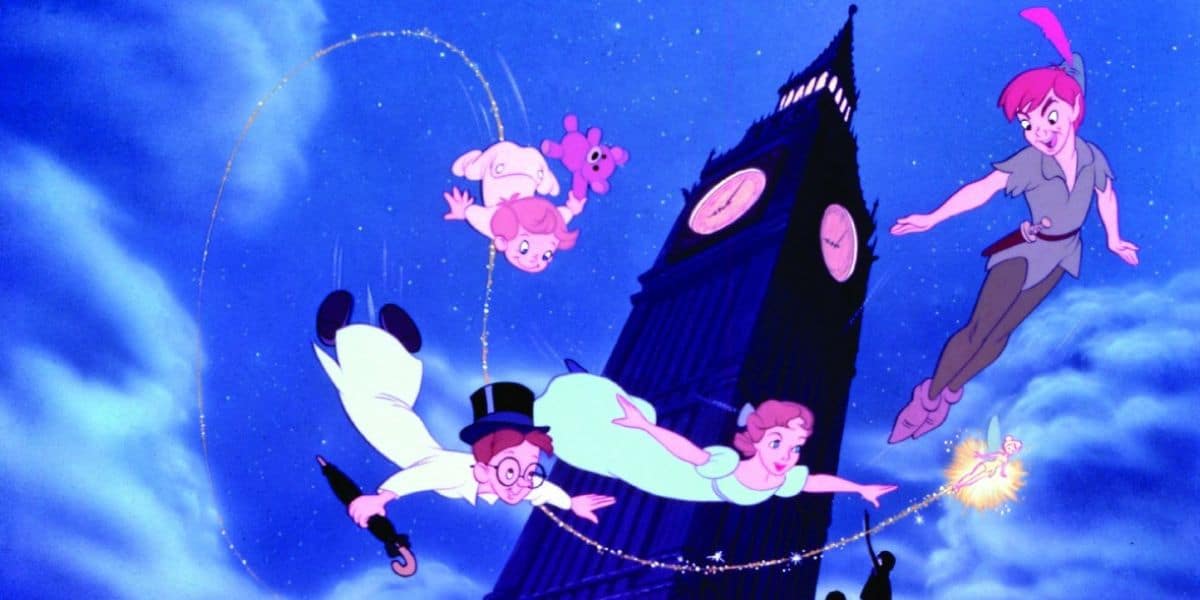
Currently, classic animated films that feature offensive stereotypes, such as Dumbo, Peter Pan, and The Aristocats, feature a 12-second, un-skippable disclaimer. The warning explicitly states that Disney prefers to “acknowledge its harmful impact, learn from it and spark conversation” rather than remove the content entirely. Fans argue that keeping Song of the South permanently buried directly contradicts this exact corporate philosophy. They point to Warner Bros. as a success story, noting how the studio kept Gone with the Wind on the Max streaming platform by attaching a scholarly historical introduction.
Will It Actually Happen?
Despite the sudden surge of online optimism, the odds of Song of the South hitting your streaming queue anytime soon remain incredibly low.
The Walt Disney Company recently spent hundreds of millions of dollars systematically removing the film’s intellectual property from its theme parks, permanently transforming the iconic Splash Mountain log flume into Tiana’s Bayou Adventure. Dropping the movie on Disney+ today would completely undermine that massive, highly publicized rebranding effort.
While the keys to the Disney Vault may be changing hands in a post-Iger era, it is highly unlikely the new leadership team wants to inherit the inevitable culture war that comes with opening it. The curiosity surrounding the film will always remain, but for now, the vault door appears to be staying shut.