
 Disney Tips Your Guide To A Great Disney Vacation

Theme park fans spend a lot of energy worrying about the usual suspects: ticket prices, crowd calendars, ride closures, and whether the Lightning Lane strategy needs another overhaul. Almost nobody has been watching Washington, D.C. as a threat to their park day. That changed this week. A decision moving through the federal government right now could reshape how theme parks in America operate, and it has nothing to do with tourism policy, taxes, or travel rules. It is about the clocks.
The U.S. House of Representatives just passed a proposal to make daylight saving time permanent, clearing the chamber this week with bipartisan support. If the Senate follows and the change becomes law, Americans would never again spring forward in March or fall back in November. For most people, the appeal is obvious: no more changing the clocks twice a year.
But for theme parks, and for the travelers who plan entire vacations around park hours, permanent daylight saving time would create a genuinely unique set of challenges. The bill’s future in the Senate remains uncertain, but the possibility is now real enough that it is worth understanding what it would mean for the parks.

Holiday Nights at Theme Parks Would Lose an Hour of Darkness
The biggest impact lands squarely on the most magical time of the year. From mid-November through early January, the country’s biggest seasonal events are built around darkness. Walt Disney World’s holiday season leans on Mickey’s Very Merry Christmas Party, Disney Jollywood Nights, and the EPCOT International Festival of the Holidays, all packed with fireworks, projection shows, and lighting displays that only work after sunset. Disneyland transforms similarly once the sun goes down.

Here is the math that should catch every Disney fan’s attention. On a typical winter day at EPCOT with a 9 p.m. close, sunset in Orlando currently falls around 5:30 p.m. through much of November and December, giving guests roughly three and a half hours of darkness. Under permanent daylight saving time, sunset moves to about 6:30 p.m., leaving only around two and a half hours of after-dark time in the same park day. That is a full lost hour of illuminated decor, glowing pathways, and nighttime spectaculars, the very things that make holiday park visits worth the crowds.
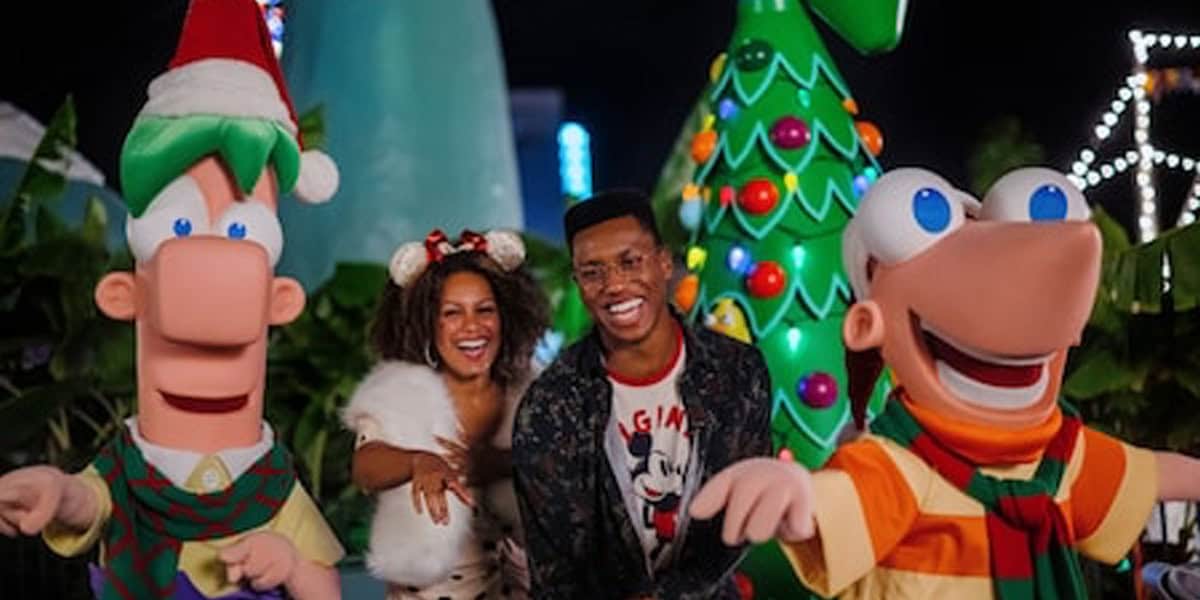
Disney would not face this alone. Universal’s Grinchmas, the Christmas festivities in The Wizarding World of Harry Potter, and the Hogwarts castle projections all hit harder after dark. SeaWorld’s Christmas Celebration events across Orlando, San Antonio, and San Diego run on millions of lights, and regional favorites like Busch Gardens’ Christmas Town, Six Flags’ Holiday in the Park, and WinterFest celebrations are all built on the same after-dark formula. Every one of them would face the same questions: start events later, or accept less darkness?

Mornings Would Start in the Dark
The other end of the park day changes too. Permanent daylight saving time delays winter sunrises, which means the theme park morning routine would happen in full darkness far more often.
Early arrival is practically a sport at Walt Disney World, where hotel guests get Early Theme Park Entry 30 minutes before official opening, and at Universal Orlando, where Early Park Admission can start up to an hour ahead for eligible guests. Those perks already have families hitting parking plazas, transportation hubs, and security lines well before opening.
Under the new clock, many of those winter arrivals would happen before sunrise entirely, and in some cases parks would open for early admission while the sky is still dark. Discovery Cove’s 7 a.m. check-ins and the pre-opening lines at SeaWorld Orlando and Busch Gardens Tampa Bay would look very different in December.

There is a human cost to consider as well. Sleep experts have long emphasized morning sunlight as key to regulating the body’s internal clock, and delayed winter sunrises reduce that natural light exposure. For vacationing families already stretching kids from rope drop to fireworks, darker mornings paired with later evenings stretch the park day from both ends.
The Tradeoffs Travelers Should Watch For at Theme Parks
It is not all downside. An extra hour of evening daylight means more time for outdoor attractions before winter temperatures drop, and guests arriving after work would get more usable daylight for rides, dining, and shopping before the nighttime entertainment begins. The hospitality industry has historically viewed longer evenings as an economic win, and supporters argue that killing the twice-yearly clock change reduces sleep disruption on its own.
For now, nothing changes. The proposal still needs to clear the Senate, and its path there is genuinely uncertain. But travelers planning future holiday trips should keep an eye on this one. If permanent daylight saving time becomes law, the park day you have memorized, from pre-dawn rope drops to fireworks under a fully dark sky, gets rewritten by an act of Congress.


