
 Disney Tips Your Guide To A Great Disney Vacation

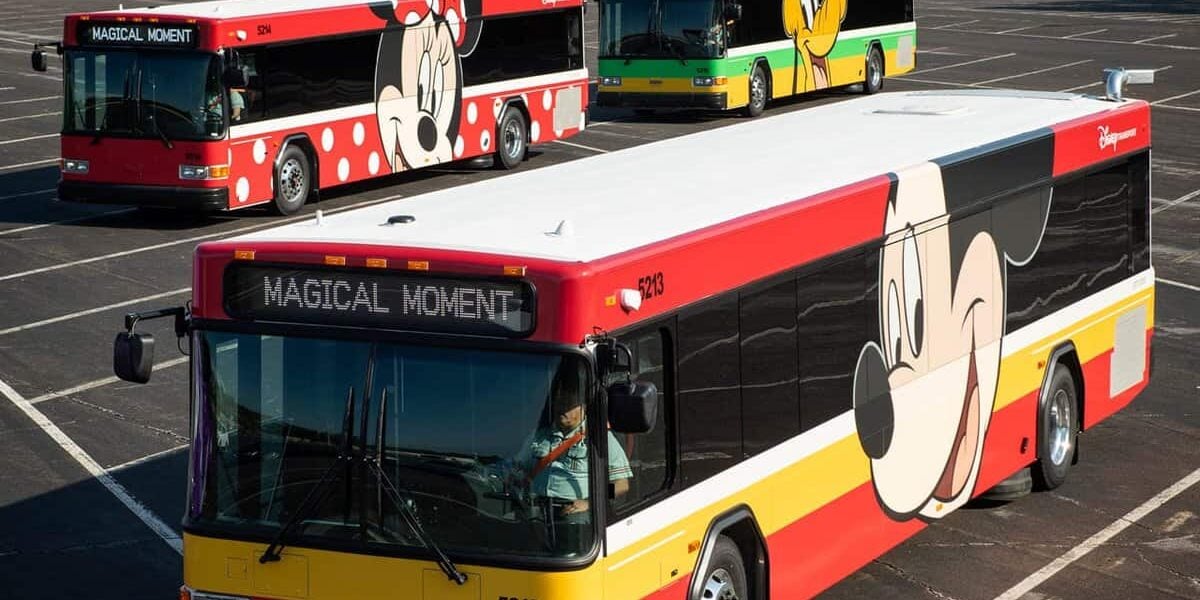
When Walt Disney World permanently rolled out its controversial Disney Springs transportation ban on June 28, 2026, the primary goal was simple: eliminate the infamous “free parking hack.” For years, offsite visitors parked for free at Disney Springs and hopped on resort buses to bypass theme park parking fees. Under the new policy, guests attempting to board resort-bound buses or watercraft from Disney Springs must show proof of an active hotel stay, an Advance Dining Reservation, or an official resort activity.

A Dream Come True for Workers
For the Cast Members working in Walt Disney World’s transportation department, the new verification checkpoints felt like a long-overdue victory.
Before the policy took effect, the Disney Springs bus depot was a daily nightmare. Drivers and queue coordinators routinely dealt with sweltering, overflowing lines packed with non-resort guests who took seats meant for paying hotel guests. With handheld scanners now filtering out non-qualifying guests at the entrance to the bus loops, the chaos vanished almost overnight. Wait times dropped, loading procedures streamlined, and transportation workers overwhelmingly celebrated the change as one of the best operational fixes in years.
The Unexpected Death of Spontaneous Resort Hopping
However, that initial wave of celebration quickly collided with a harsh reality. While transit operations became significantly smoother, the strict ban completely severed the flow of spontaneous resort hoppers.
For decades, Disney Springs served as the central launchpad for casual visitors looking to explore Disney World’s resort hotels without a car. Guests would regularly hop a bus to Disney’s Polynesian Village Resort for a Dole Whip or take a boat to Disney’s Port Orleans Resort for fresh beignets.
Now, without a pre-booked dining reservation, those casual visitors are turned away. As theme park analysts and social media commentators like @prdecr8shr and @wdwpro1 have pointed out, cutting off this foot traffic has turned once-bustling resort lobbies, lounges, quick-service eateries, and merchandise shops into shockingly quiet spaces.
The Dark Side: Looming Hour Cuts and Potential Layoffs
This drop in foot traffic brings a serious financial hangover. Casual visitors account for millions of dollars in ancillary spending across Disney’s hotel properties. When fewer guests visit resort lounges for an evening cocktail or stop by gift shops for exclusive merchandise, revenue plummets.

Here lies the devastating side effect now haunting Disney staff. Walt Disney World operates on strict, automated labor matrices. Staffing levels at resort restaurants, bars, and retail shops are directly tied to real-time sales and guest foot traffic. When sales dry up, Disney’s immediate response is to cut labor hours to protect profit margins.
While transportation Cast Members are enjoying easier shifts, resort-based Cast Members are facing a far grimmer reality. If resort revenue continues to fall due to the lack of casual visitors, Disney will inevitably be forced to cut shifts, reduce staff hours, and potentially initiate targeted layoffs across resort hospitality, retail, and dining.
Walking a Dangerous Tightrope
Disney’s new bus policy successfully solved a massive transportation headache, but it created an equally dangerous financial trap. By shutting the door on non-resort guests, Disney inadvertently cut off a lucrative revenue stream that supports hundreds of resort workers. As the financial impact becomes clearer, management may soon have to decide whether keeping the bus loops quiet is worth the sacrifice of resort profits—and the Cast Members who rely on them.


If Disney allowed people to park at the resorts again (without having a dining/hotel reservation) and visit that way, it would take the pressure off of the Disney Springs busses and bring in foot traffic.
The car parks aren’t big enough unfortunately. Some of the resorts I stay at haven’t got enough spaces for residents.
Agree with Jill, resort residents would not be able to find parking spaces if they allowed this!
Do you have any data to support this or are you assuming this will happen. I’m sorry as a DVC owner, I prefer to have a bus to my resort (that I have a reservation) not be jammed packed with “visitors” that I have to stand or wait for another bus due to no room. And I’m sure those that do a cash stay at Deluxe resorts feel the same. Whether a bus has 5 or 60 people on it, it still runs it’s course…I don’t for see layoffs I see Disney Transportation being more efficient and the way it was meant to be.
The insanely crowded busses were a nightmare! I hate for people to lose their jobs. It will be interesting to see how this eventually ends up!
If your not willing to pay for parking are you really spending a great deal at the resorts?