
 Disney Tips Your Guide To A Great Disney Vacation

Walt Disney World is undergoing a massive era of reinvestment, with hundreds of millions of dollars flowing into attraction updates, resort refurbishments, and new lands. To hear Disney executives tell it, every single change is executed with a delicate balance of deep reverence for nostalgia and a forward-looking vision for the future.

Yet, for a vocal and passionate segment of the Disney fanbase, these assurances ring hollow. Every time construction walls go up around a classic attraction, panic sets in. If Disney is truly trying to be “thoughtful,” why do fans feel like the parks are losing their original magic?
The Data-Driven Strategy
At a recent media panel, Disney leaders pulled back the curtain on their renovation strategy. The guiding force behind what stays, what gets updated, and what gets completely “reconcepted” isn’t just creative whim—it’s hard data.
Sarah Riles, Vice President of Magic Kingdom, explained the corporate approach.
“We use data, guest research and feedback to really help inform where we choose to reinvest versus when it is time to reconcept,” Riles said.
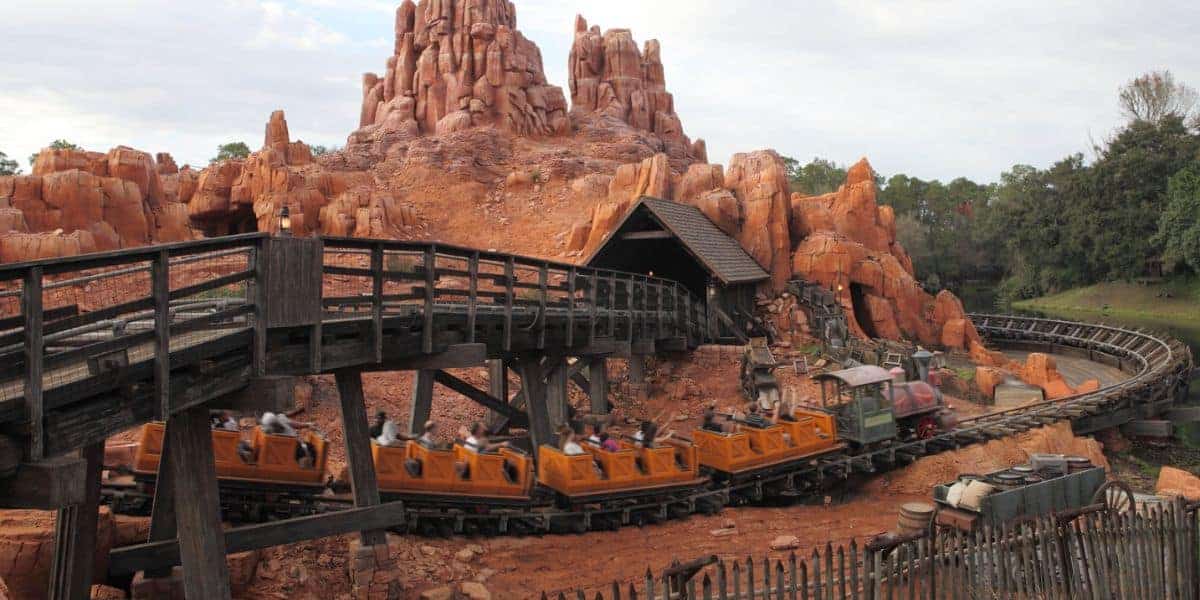
Disney points to recent massive updates—such as those at Country Bear Musical Jamboree, Buzz Lightyear’s Space Ranger Spin, and Big Thunder Mountain Railroad—as proof that its metrics work, citing higher guest satisfaction scores after the rides reopened.
But this heavy reliance on data is exactly what makes purists so nervous. To a die-hard fan, high survey scores from first-time tourists don’t mean a ride is artistically superior. Fans worry that allowing spreadsheets to dictate creative choices will inevitably lead to the removal of original storytelling in favor of trendy intellectual properties (IP).
“Leave It Better Than You Found It”
Disney is well aware of this tension. Theme park fans are famously protective of their childhood memories, and altering a beloved ride is a risky gamble.
Michael Hundgen, Portfolio Executive Creative Producer for Walt Disney Imagineering, addressed the tightrope walk his team performs.
“We try to be incredibly aware and thoughtful of that when we make changes,” Hundgen noted. He emphasized that every project must balance nostalgia with modern appeal to ensure classic rides remain relevant for new families.
Hundgen summed up the company’s guiding principle: “I think we should always be held accountable to a standard that is, ‘if you’re going to touch something that is beloved, then you must leave it better than you found it.'”
This philosophy will soon face its ultimate test. Disney recently announced that Walt Disney’s Carousel of Progress—a legendary attraction that debuted at the 1964 World’s Fair—will undergo a massive overhaul in 2027. The ride’s decades will shift forward to include the 1960s, 1980s, and the dawn of the new millennium.
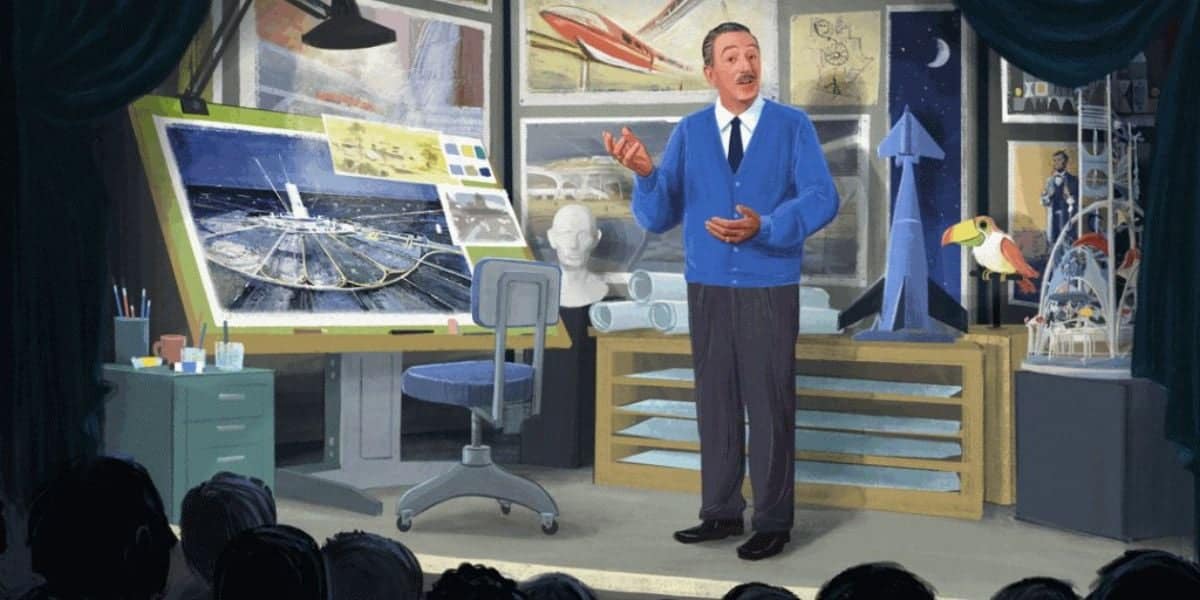
“Know that when we touch a classic like Carousel of Progress, our Imagineers take the utmost care in thinking about how we approach that,” Hundgen assured fans, promising to infuse the ride with “great new optimism.”
The Multi-Million Dollar Balancing Act
Executing these changes requires a massive logistical ballet. Alec Ras, Director of Facility Asset Management, oversees a team of more than 4,000 Cast Members tasked with keeping the resort running while overhauling its infrastructure.
“Our work includes both big projects, like replacing the entire steel track of Big Thunder Mountain, and small projects, like a simple carpet replacement overnight in a queue space,” Ras explained. “Every detail matters to us when tasked with preserving the quality, care and attention to detail guests have come to expect from us.”
Despite the massive budgets, the advanced AI models used to hide construction cranes from photos, and the promises of “thoughtful” updates, a disconnect remains. When Imagineers talk about making a ride “better,” they usually mean upgrading the technology and pacing. When fans beg Disney not to ruin a ride, they are asking for the preservation of its original, quirky charm.
Disney will undoubtedly continue to evolve, relying on data to please the modern tourist. But for fans who consider the parks living museums, the fear of losing that classic nostalgia isn’t going away anytime soon.


