 Disney Tips Your Guide To A Great Disney Vacation
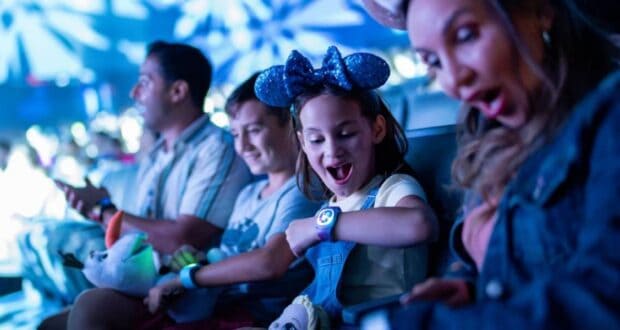
Your Disney World vacation could change soon, affecting how you and your family enter the theme park. Here’s the latest major rumor that looks to remove the current entrance policies.
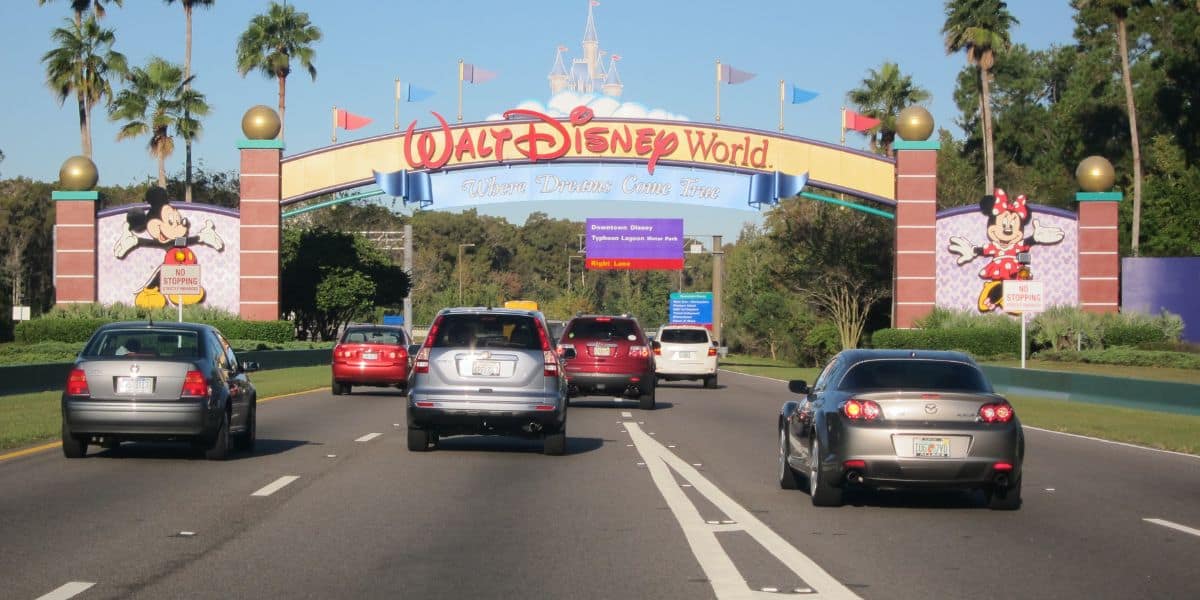
Disney World Theme Park Entrance Gates Rumored for Major Overhaul
Walt Disney World Resort could eventually replace its familiar park entry readers with automated gates, according to a new rumor circulating on October 15, 2026. The potential Disney World entry gates overhaul would change how guests enter Magic Kingdom, EPCOT, Disney’s Hollywood Studios, and Disney’s Animal Kingdom in Central Florida.
The rumored changes include Disneyland-style entrance gates, possible facial recognition technology, and reduced dependence on MagicBands. None of those proposed park entrance upgrades has been officially announced by Disney.
For families who arrive before opening to maximize their vacation time, the biggest question is whether new technology would make rope drop faster—or create another morning bottleneck.
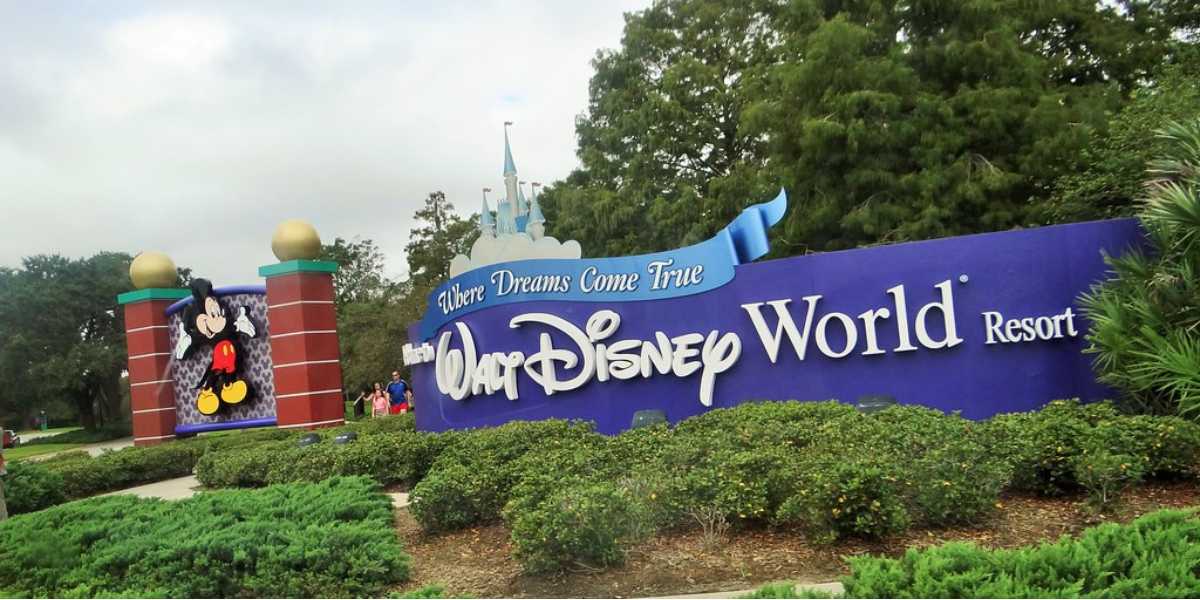
Disney World Entry Gates Could Undergo a Major Transformation
The speculation originates from an online forum user known as The Visionary Soul, whose claims were detailed in an October 15 report by BlogMickey.
According to that account, Walt Disney World could replace its existing admission touchpoints with automated gates similar to those introduced at Disneyland Resort in California.
The proposed system would reportedly continue supporting MagicBands while eventually incorporating facial recognition and potentially allowing multiple members of a traveling party to enter through a streamlined verification process.
However, the claims remain unconfirmed. Disney has not publicly announced a resort-wide gate replacement program, installation schedule, or operational changes associated with the rumored system.
The proposal follows actual entrance modernization at Disneyland, where we previously covered the installation of upgraded admission gates.
That California rollout provides a real-world reference point, but it does not establish that identical equipment is coming to Florida.
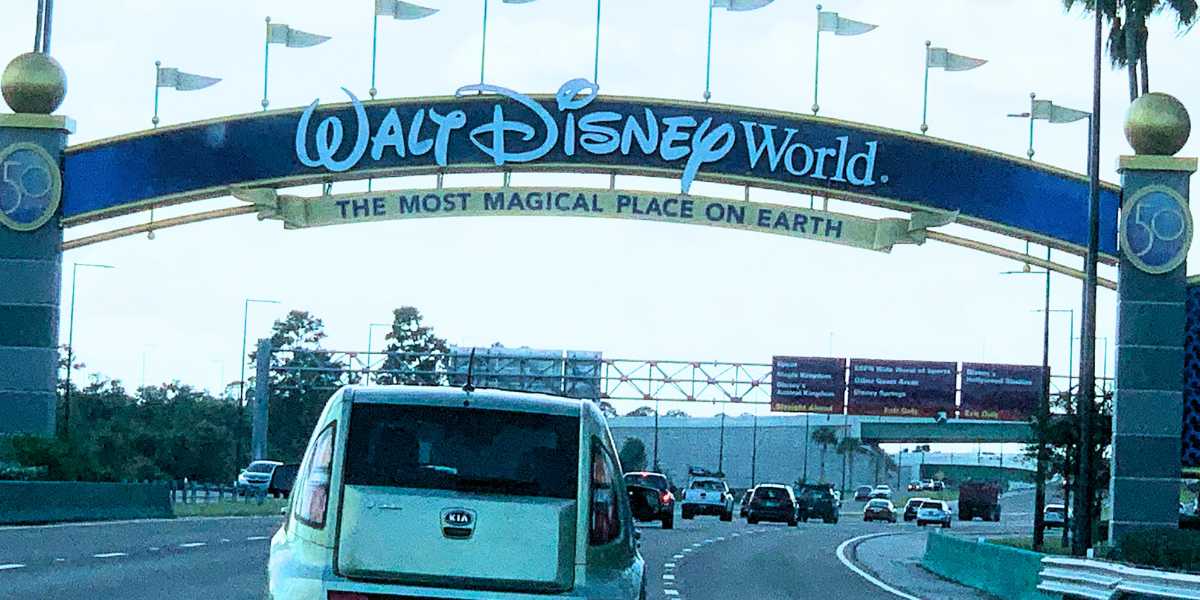
Why Automated Gates Could Complicate Disney World’s Morning Rush
For guests planning to rope drop Space Mountain, Seven Dwarfs Mine Train, or other popular attractions, even small entrance delays can disrupt carefully arranged itineraries.
Disney’s current admission process generally involves tapping an eligible admission device and completing biometric verification. Its official park entry guidance describes using a MagicBand or Disney MagicMobile pass alongside a fingerprint reader.
Replacing that process with automated swinging gates introduces questions about passenger flow, verification speed, and how quickly Cast Members could resolve admission problems.
If gates pause for unsuccessful scans, improperly linked tickets, or difficulties recognizing guests, lines could potentially accumulate during peak arrival periods.
Those are operational possibilities, not documented problems with the proposed Florida system. Automated gates could also improve throughput if Disney successfully reduces individual verification steps.
The stakes are particularly relevant at Magic Kingdom, where previous rope drop adjustments have already changed guests’ morning strategies.
An entrance upgrade would need to accommodate guests arriving simultaneously for regular opening and eligible early admission.

MagicBands Could Become Less Central to Disney Vacations
Another component of the rumor concerns Disney’s long-established MagicBand ecosystem.
The unverified claims suggest Disney could gradually reduce reliance on physical wristbands, potentially discontinuing sales sometime after 2030 while retaining certain compatibility options.
That would represent a meaningful change for guests who prefer wearable admission technology instead of managing tickets through smartphones.
However, Disney has not announced plans to eliminate MagicBands at Walt Disney World.
Its official MagicBand information continues to describe park admission, interactive experiences, and other supported functions.
Disney MagicMobile already provides a smartphone-based alternative, allowing eligible guests to access admission credentials without purchasing a wristband.
As we previously explained in its MagicBand+ coverage, the wearable and mobile options offer overlapping functionality, although certain interactive features remain specific to MagicBand+.
For now, guests should not assume their existing MagicBands will stop working.

Facial Recognition and Digital Keys Raise Additional Questions
The rumored entrance overhaul also includes eventual facial recognition, potentially replacing some of the physical verification steps currently required at park entrances.
Such technology would introduce important questions about privacy, accessibility, guest consent, and alternatives for visitors who prefer not to participate.
Disney has not confirmed whether facial recognition would become part of a future Florida entrance system or how any proposed system would operate.
Separately, the rumor suggests Disney Resort hotel rooms could support expanded digital-wallet access, reducing the need for physical room keys.
Disney already offers mobile room unlocking through the My Disney Experience app, as explained in its official hotel room access guidance.
The distinction matters: existing mobile access is confirmed, while the broader rumored gate replacement and facial recognition plans are not.

What Disney World Guests Should Watch Before Their Next Visit
For guests preparing upcoming vacations, there is currently no verified reason to change park arrival plans because of the gate rumor.
Nevertheless, the discussion highlights how sensitive morning operations can be to seemingly minor changes in guest processing.
We have previously examined updated Animal Kingdom rope drop procedures, illustrating how entrance and holding-area arrangements can affect early admission strategies.
Any future automated gate installation would raise similar questions about queue management, Cast Member assistance, and the transition between old and new technology.
Guests should continue checking official park operating information, verifying admission credentials before arrival, and allowing sufficient time for security screening.
For now, the crucial unanswered questions involve whether Disney will proceed, which parks might receive upgrades first, and whether the resulting system would actually accelerate entry.
Until Disney confirms specific plans, the possibility of a rope drop bottleneck remains a concern to evaluate—not an established consequence.