Disney Officially Receives Patent for AI Technology That Could Change Character Meet-and-Greets Forever

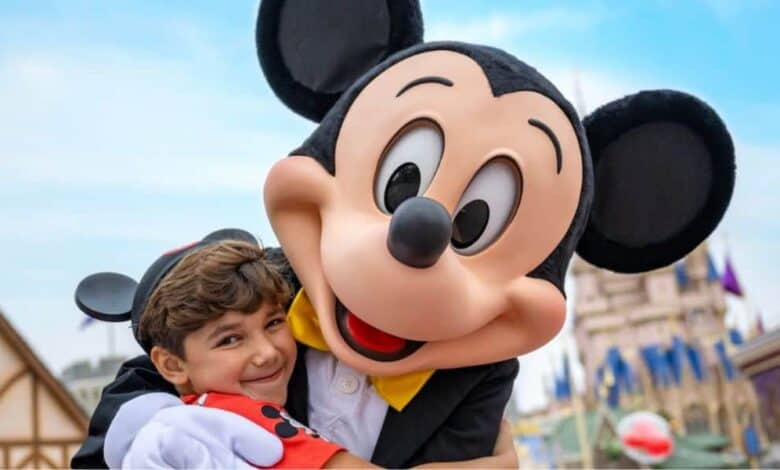
Meeting a favorite Disney character has always been a special part of visiting Walt Disney World or Disneyland. Whether it’s a child hugging Mickey Mouse for the first time or an adult finally meeting a beloved character, these interactions often become some of the most memorable moments of a vacation.
However, Disney may be preparing to change how those experiences work in the future.
The company has received approval for a new patent involving artificial intelligence, and the technology could completely transform how certain Disney characters communicate with visitors.
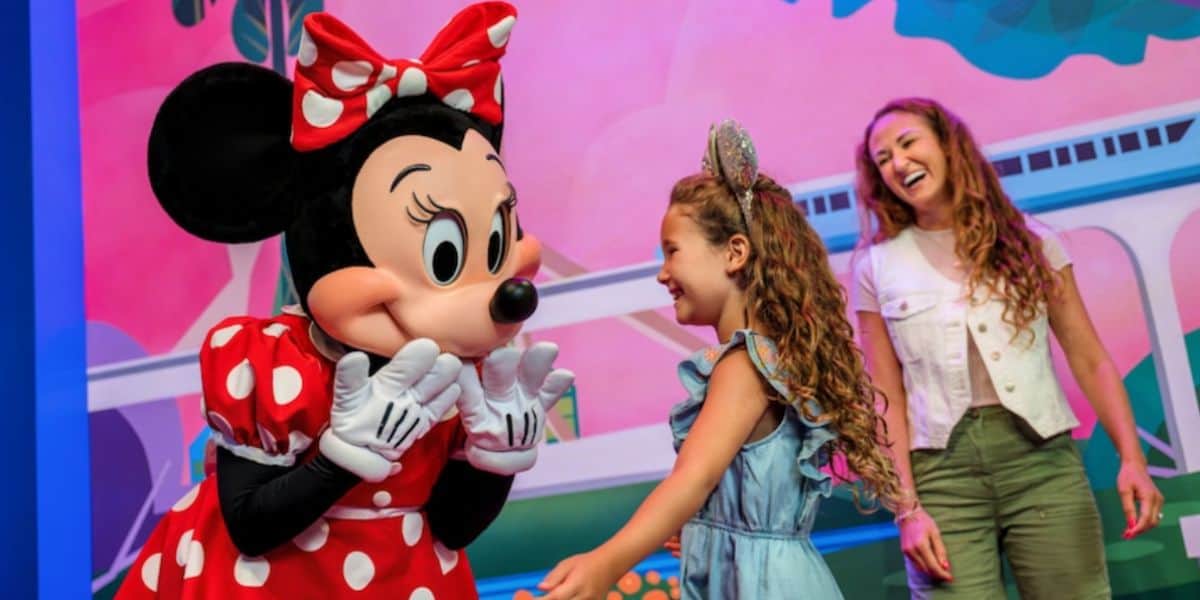
Instead of relying on gestures, body language, or pre-recorded phrases, some characters could eventually hold actual conversations with guests.
While Disney hasn’t announced plans to introduce this technology into its theme parks, the patent offers an interesting look at what the company could be developing behind the scenes.
Disney Receives Patent for AI-Powered Character Conversations
On November 3, 2026, the United States Patent and Trademark Office officially granted Disney a patent for technology that would allow costumed characters to communicate with guests using artificial intelligence.
Disney originally submitted the application in May 2024, meaning the company has been exploring this idea for more than two years.
The concept focuses on creating natural conversations between visitors and characters who traditionally cannot speak during meet-and-greet experiences.
Anyone who has visited a Disney theme park knows that not every character talks.
Characters such as Mickey Mouse, Minnie Mouse, Donald Duck, and Goofy typically communicate through gestures, movements, and exaggerated reactions rather than speaking directly to visitors.

These interactions can still be entertaining, especially when performers use their personalities to create funny or heartwarming moments.
However, Disney’s newly approved patent suggests the company wants to explore something different.
The proposed system would use artificial intelligence to understand what a guest says, create a response that matches the character’s personality, and deliver that response using the character’s recognizable voice.
That means a child could potentially ask a question and receive a unique answer instead of watching the character respond through gestures alone.
Of course, receiving a patent doesn’t mean Disney will immediately introduce the technology. It simply gives the company protection for the invention described in its application.
How Disney’s AI Character Technology Would Work
The proposed system involves several different technologies working together to create conversations that feel natural.
First, microphones would capture what a guest says during a character interaction.
The system would then convert those spoken words into text so artificial intelligence could understand the conversation.
However, Disney isn’t just interested in recognizing individual words.
The technology could also analyze how someone speaks, including their tone, rhythm, and emphasis.
For example, the system could potentially recognize differences between an excited question and a more serious conversation.

It could also consider information about the surrounding environment, including weather conditions, nearby events, background sounds, and the time of day.
Once the system processes that information, an AI language model would generate an appropriate response.
Disney’s patent describes character profiles that would help the technology understand how different personalities should communicate.
These profiles could include whether a character acts like a hero, villain, or sidekick, along with personality traits such as confidence, optimism, or assertiveness.
The system could also recognize words, expressions, and speaking patterns associated with specific characters.
This would help prevent every character from sounding like the same artificial intelligence assistant.
After generating a response, another AI model would transform the written words into speech using the character’s distinctive voice.
Speakers inside the costume or mask would then play the response for the guest.
Disney’s goal, according to the patent, is to make these conversations happen without awkward delays that might interrupt the experience.
Disney Wants Performers to Control the Character’s Emotions
Perhaps the most interesting part of Disney’s new patent involves the person wearing the character costume.
Although artificial intelligence would generate the dialogue, the performer would still play an important role in determining how the character sounds.
Disney’s proposed technology includes a camera positioned inside the costume or mask that would monitor the performer’s facial expressions.
Those expressions would influence the emotional delivery of the character’s response.
For example, if the performer smiles, the system could produce a cheerful or excited voice.
If the performer smirks, the character might respond with a more confident or smug tone.

A frown could signal disappointment or sadness.
This approach would allow the performer to influence the conversation without actually speaking.
It also means Disney wouldn’t necessarily have to remove the human element from character interactions to introduce artificial intelligence.
The performer would still use physical movements, gestures, and facial expressions to help bring the character to life.
The patent even describes optional mechanical components that could move parts of a costume’s face to create expressions.
Additionally, Disney leaves open the possibility of having a human review responses before they reach guests.
That could be particularly important when dealing with unpredictable conversations involving children.
Disney Has Experimented With Talking Characters Before
Although this new technology sounds futuristic, talking characters aren’t entirely new to Disney’s theme parks.
Walt Disney World previously offered a talking Mickey Mouse experience at Town Square Theater inside Magic Kingdom.
During the 2010s, visitors could meet a version of Mickey that spoke directly to them.
For many families, hearing Mickey’s familiar voice during a personal interaction made the experience feel especially memorable.
However, Disney eventually discontinued that version of the meet-and-greet.
Today, most traditional costumed characters continue to communicate without speaking.

There are some exceptions throughout Disney’s theme parks.
At Star Wars: Galaxy’s Edge, characters such as Stormtroopers and Kylo Ren can communicate with visitors using recorded dialogue.
These interactions allow guests to hear familiar voices, but the characters aren’t necessarily generating entirely new responses to every question.
Disney’s proposed artificial intelligence system would take things further by creating dialogue based on what each guest actually says.
The technology could also potentially remember information from previous interactions with the same visitor.
According to the patent, any stored conversation history would preferably exclude personally identifiable information.
This could allow characters to continue conversations or reference earlier exchanges while attempting to limit the collection of sensitive personal details.
Artificial Intelligence Is Becoming a Bigger Part of Disney’s Future
Disney’s latest patent also arrives as the company continues exploring ways to incorporate artificial intelligence into its operations.
In September 2026, Disney appointed former Character.AI CEO Karandeep Anand as its first Chief Technology Officer.
Although the character conversation patent predates that appointment, both developments reflect Disney’s growing interest in advanced technology.
The company has also explored artificial intelligence for other theme park applications.
Another recent patent filing described a camera system that could help identify animals during safari experiences and notify guests when particular animals appear.

These ideas suggest Disney is considering how artificial intelligence could affect multiple parts of the theme park experience, from attraction technology to personal interactions.
For character meet-and-greets, the potential changes could be particularly noticeable.
A character who can answer unexpected questions, react to conversations, and speak in a familiar voice could create an entirely different experience for families.
At the same time, the idea raises questions about how much technology should become involved in moments that have traditionally depended on human performers.
Some visitors might welcome the opportunity to have a real conversation with their favorite characters.
Others may prefer the familiar interactions that rely on physical comedy, expressive gestures, and the creativity of the performers.
Disney hasn’t explained how it would address those preferences if the technology eventually reaches the parks.
Will Disney Introduce AI Characters at Walt Disney World?
For now, Disney has not confirmed that this technology will appear at Walt Disney World, Disneyland, or any of its other theme parks.
The patent doesn’t identify a particular character, attraction, or location where the system would operate.
In fact, the application describes a wide range of possible characters, including animated personalities, fictional characters from television and movies, video game characters, and historical figures.
That gives Disney considerable flexibility if it decides to develop the concept further.
However, companies frequently receive patents for ideas that never become publicly available products or experiences.
There is also no announced timeline for testing or introducing this particular system.
Still, the possibilities are interesting.
Imagine Mickey Mouse responding directly when a child asks about Minnie, or another beloved character answering a question in a voice that sounds familiar from the movies.
Those are hypothetical examples, but they demonstrate how the proposed technology could change traditional character interactions.
Rather than depending entirely on gestures or predetermined dialogue, performers could potentially participate in more spontaneous conversations while maintaining the personalities guests recognize.
For Disney, that could represent another way to make its theme parks feel more interactive.
For visitors, however, the biggest question may be whether artificial intelligence would make these moments feel more personal or take something away from the traditional character experience.
Disney hasn’t provided that answer yet.
What is clear is that the company is exploring new possibilities for character entertainment, and its latest patent shows just how different future meet-and-greets could become.
Whether this technology eventually reaches Magic Kingdom, Disneyland, or another Disney destination remains to be seen.