
 Disney Tips Your Guide To A Great Disney Vacation
Disney’s AI Transformation
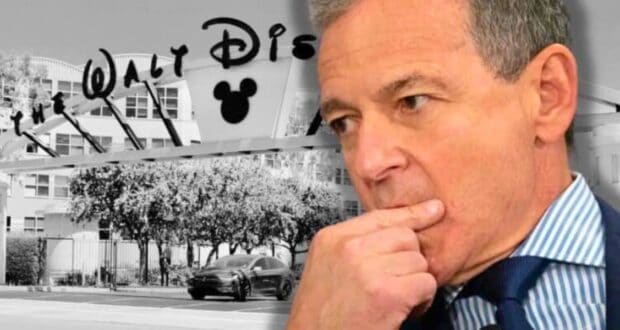
Disney has embarked on a transformative journey by integrating artificial intelligence into its Disney+ platform. This shift includes allowing users to create and share their own content, as announced by CEO Bob Iger during a recent earnings call. Iger expressed optimism about enhancing viewer engagement and encouraging creativity through AI-generated content, hoping to foster a more interactive experience for subscribers. While the initiative aims to attract a broader audience and promote user involvement, it has also ignited significant backlash within the animation community.

Concerns are mounting among animators and creators who fear that this focus on AI-generated content may undermine traditional artistic practices. Many in the industry worry that such a move might prioritize corporate profitability over creative integrity, highlighting the potential risks associated with user-generated content that utilizes Disney’s vast intellectual property. As Disney ventures into this new territory, the friction between innovation and the traditional creative process grows increasingly palpable.
Animator Dana Terrace’s Outrage
One of the most vocal critics of Disney’s decision is Dana Terrace, a celebrated Disney animator known for her work on The Owl House. Terrace did not hold back her frustration, taking to social media to express her discontent with the new direction. In a series of passionate posts, she encouraged her followers to unsubscribe from Disney+, stating, “Pirate Owl House. I don’t care. F*** gen AI.”
Her critique highlighted the perceived absurdity of monetizing user-generated content without fairly compensating the original creators. Terrace’s remarks underscore a broader sentiment among animators that the push for user-generated AI content reflects an opportunistic attitude from Disney’s leadership, particularly under Iger. The tension that Terrace articulated resonates with concerns that corporate interests may overshadow the true artistry and passion behind animation.
Ownership and Rights Concerns
The topic of ownership and rights is central to the discussion surrounding Disney’s AI-generated content initiative. Many creators are left questioning who will truly own the material produced using Disney’s intellectual property. If a user generates content featuring Disney characters or storylines, the lack of clarity regarding the compensation or credit for the original creators becomes a pressing issue.
Terrace and other animators fear that this model could result in a landscape where original creators receive little to no recognition or reward for their contributions. The potential devaluation of creative work raises serious questions about the ethics of a business model that seeks to profit from contributions while sidelining the individuals who built the beloved characters and stories.
The prevailing sentiment among creators is one of frustration and concern for their livelihood. Many believe that allowing a broad audience to craft content based on established properties without fair compensation or recognition could erode the integrity of the creative process and ultimately compromise the collaborative nature of the industry.
Environmental Impact of AI Initiatives
Beyond the artistic and financial ramifications, the environmental impact of AI-generated content also warrants examination. The technology that powers AI relies on substantial energy resources, raising concerns about its carbon footprint. Data centers, which are essential for hosting and running AI operations, not only consume vast amounts of energy but also require significant amounts of water for cooling processes. As Disney—under Iger’s guidance—continues to push the boundaries of AI integration, the need for accountability regarding environmental sustainability becomes pressing.

The animation industry is becoming increasingly aware of its responsibility to adopt sustainable production methods amid growing concerns about climate change. Balancing innovation with ecological impact is crucial for the future of animation, particularly as Disney navigates an uncharted path marked by its reliance on advanced technology. Advocates for environmental responsibility will be closely watching to see how Disney manages these challenges while pursuing its ambitious goal of blending creativity with technology.
As Disney introduces AI-generated content on Disney+, it finds itself at a crossroads, facing challenges from animators and creators who demand respect for their rights and acknowledgment of the environmental consequences of such innovations. Iger’s vision may well be ambitious, but the industry’s response indicates a strong need for equitable practices and sustainable approaches moving forward. With the entertainment giant at the forefront of technological advancement, the stakes have never been higher for creators and the future of animation.


