
 Disney Tips Your Guide To A Great Disney Vacation

Incident Overview
An Australian man tragically fell overboard from the Disney Wonder cruise ship in the Tasman Sea on a recent morning. At approximately 4:30 a.m. local time, the 73-year-old was aboard the boat, which had set sail from Melbourne heading towards Auckland, New Zealand. Following the fall, the crew initiated a comprehensive search effort, utilizing thermal imaging technology to locate the missing man. Unfortunately, despite their extensive efforts, which lasted about five hours, he could not be found.
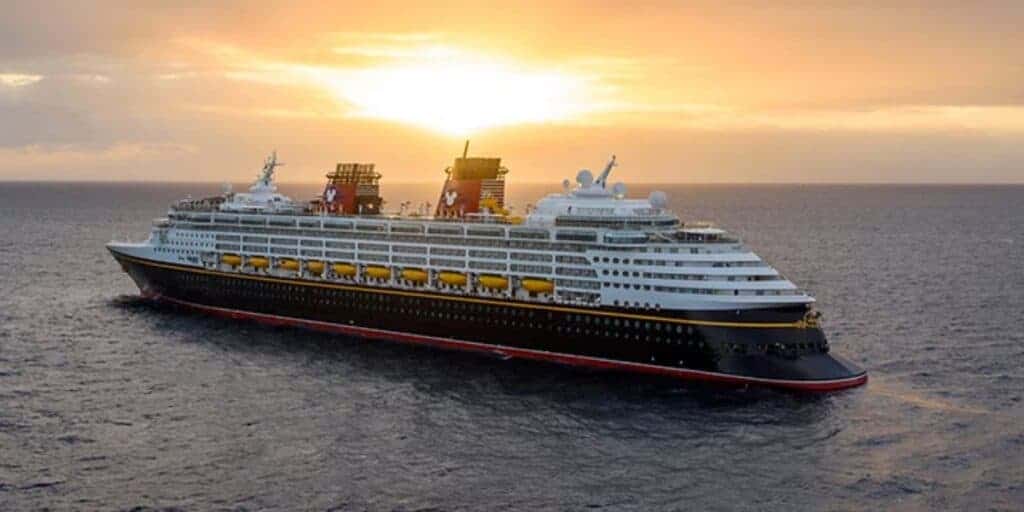
Authorities treated the case as a potential suicide, although this has not been officially confirmed. The ship’s captain informed passengers about the incident, which significantly dampened the atmosphere on board. Eyewitnesses described a noticeable change, with a somber mood prevailing among the travelers, who had initially boarded the ship for a joyful vacation experience.
Emotional Impact on Passengers
The emotional ramifications of the incident were immediate and profound for those on board the Disney Wonder. Passengers expressed feelings of unease and sadness as the gravity of the situation began to sink in. Testimonies from travelers reflected a deep sense of empathy towards the missing Australian man and his family. “It was quite somber and eerie for the rest of the day,” stated passenger Mitch Talbot, highlighting the atmosphere that overshadowed the cruise activities.
The crew, typically known for their enthusiasm and upbeat demeanor, was also visibly affected. Their distress was evident, emphasizing that the repercussions of such tragedies extend beyond the individual involved. The shift in mood also impacted the service levels on board, as crew members struggled to maintain their routine amidst the emotional toll.
Pattern of Recent Incidents
This incident marks another grim addition to a troubling trend at Disney properties in recent weeks. Reports suggest that this is the third suicide linked to Disney within a short time frame, raising alarms about safety and well-being for both guests and employees. Previous incidents included two suicides at Disney World’s Contemporary Resort, highlighting concerns regarding mental health resources available at these destinations.

The frequency of these events has ignited discussions about the adequacy of support systems for individuals visiting such popular entertainment venues. As guests often seek refuge and joy during their vacations, the underlying mental health issues exposed by these incidents call for a dedicated examination of safety protocols and support systems at Disney properties.
Cruise Industry Implications
The implications of this tragedy extend beyond Disney itself, as public perception of the cruise industry may shift. Cruises are generally associated with leisure and enjoyment; however, incidents like this introduce a darker narrative. Critics are beginning to question whether cruise lines, including Disney, have sufficiently prioritized mental health resources for passengers traveling away from home, where stress and emotional struggles can be amplified.
As Disney plans to cease its Australian operations following the 2025/26 season, the need for enhanced safety measures becomes increasingly urgent. Stakeholders within the cruise industry are tasked with reassessing operational support that prioritizes both passenger and crew mental health. The focus should not only be on maintaining safety, but also on creating an emotionally supportive environment for guests while they are at sea.
Disney faces mounting pressure to respond assertively to this latest tragedy. As awareness grows regarding the significance of mental health, the cruise line industry must enhance initiatives aimed at promoting well-being and restoring public trust. If the trend of tragedies continues without robust intervention, public confidence in cruise vacations could wane.
As a reminder, individuals in crisis or those who know someone struggling with suicidal thoughts should seek help immediately. Resources, such as suicide prevention hotlines, are available to provide vital support during critical moments.


