
 Disney Tips Your Guide To A Great Disney Vacation
Settlement Reached Between Disney and Carano
After nearly 18 months of legal contention, Gina Carano and Disney have officially settled their lawsuit. The specifics of the settlement remain undisclosed, but both parties express optimism regarding future collaborations. Representatives from Disney and Lucasfilm indicated a genuine interest in working with Carano again, acknowledging her contributions to the franchise and the respect she garnered from colleagues on set.

Credit: D23
Carano’s lawsuit originated from her firing from The Mandalorian, a decision attributed to her vocal conservative viewpoints, perceived as incompatible with Disney’s corporate culture. This controversy escalated significantly following several of her social media posts, notably those equating the treatment of Republicans to the Jewish experience during the Holocaust. Carano alleged that her dismissal was unfair and was preceded by harassment and defamation from the Disney and Lucasfilm teams.
Carano’s Legal Claims and Controversies
In her legal battle against Disney, Carano emphasized claims of harassment and defamation, stating that her termination stemmed from a politically charged environment. She pointed out discrepancies in how her male co-stars were treated concerning similar political statements. For instance, Carano highlighted instances where her co-star, Pedro Pascal, made contentious political comments without facing significant consequences, thus raising questions about equitable treatment within the company.

Credit: Disney
The fallout from Carano’s comments sparked widespread debate about the boundaries of free speech, representation, and political expression within the entertainment industry. As she sought damages reportedly amounting to $75,000 and reinstatement in The Mandalorian, the implications of her legal claims drew attention to the broader societal challenges surrounding political expression in Hollywood.
Disney’s Political Expression Challenges
The situation involving Carano underscores the complexities of Disney’s maintaining a cohesive corporate culture while respecting individual beliefs among its vast employee base. Historically, Disney has emphasized an inclusive work environment; however, Carano’s case spotlights the difficulties of navigating diverse opinions that could conflict with established corporate values.
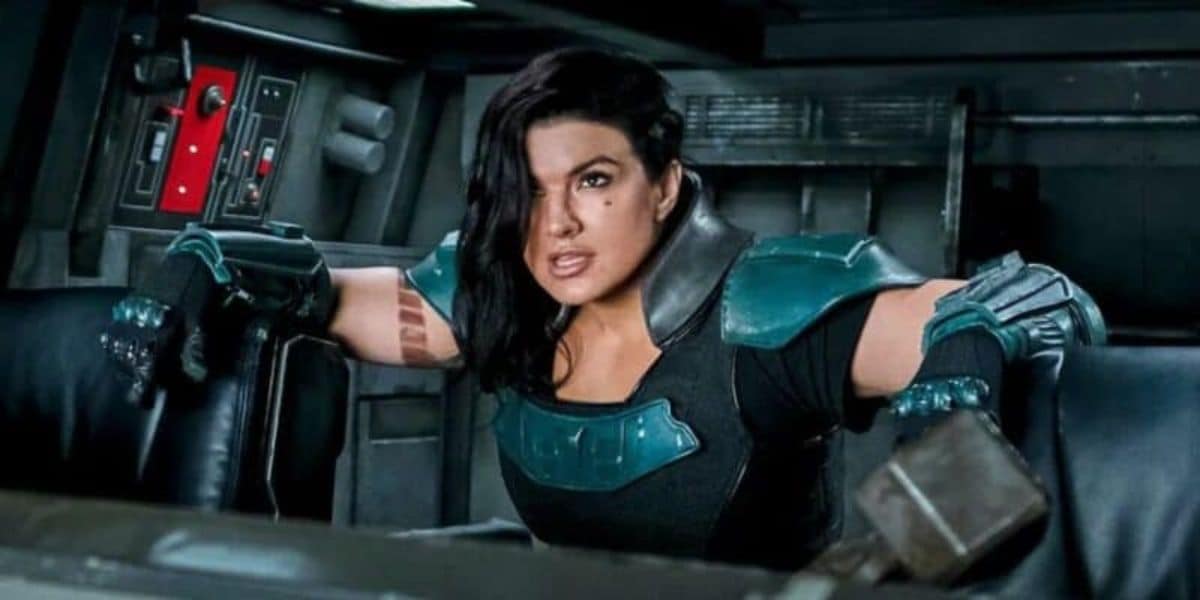
Credit: Lucasfilm
One significant point of contention is the evident disparity in how male and female cast members have been treated concerning their political expressions. Carano’s assertions illuminated the critical discussions about whether Disney applies its policies equitably. As scrutiny surrounds Disney’s operational policies, the company finds itself at a crossroads, needing to balance artistic freedom with corporate directives, especially in an era where public sentiment can rapidly shift.
Mixed Public Reactions to Settlement News
The public’s reaction to the settlement announcement has been mixed and polarized. Supporters of Carano express enthusiasm regarding her potential return to Disney properties, advocating for creative freedom and diverse perspectives in storytelling. Many believe her past contributions to The Mandalorian justify a second chance.

Credit: Lucasfilm
On the other hand, apprehensions still linger around Carano’s previous statements, with critics voicing concerns over how her return might affect the narrative and tone of future projects. Social media has become a hotbed for discussions on this topic, reflecting divided sentiments among fans. Polls on platforms like Twitter have shown a split audience: some eagerly endorse Carano’s return while others remain cautious, fearing that reopening the dialogue could overshadow the positive aspects of the franchise.
As Disney navigates this controversy, the settlement’s implications extend beyond Carano and into the company’s broader brand identity. With a vocal audience keen on voicing their opinions, Disney must tread delicately, balancing support for artistic expression with adherence to its corporate values amid a complex public opinion landscape.




They just need to recast and move on.