 Disney Tips Your Guide To A Great Disney Vacation

Disney’s Bold Entry into AI Investments
Disney recently made a substantial splash in the world of technology by announcing a $1 billion equity investment in artificial intelligence. This bold move signifies Disney’s commitment to integrating AI capabilities into its content creation processes.
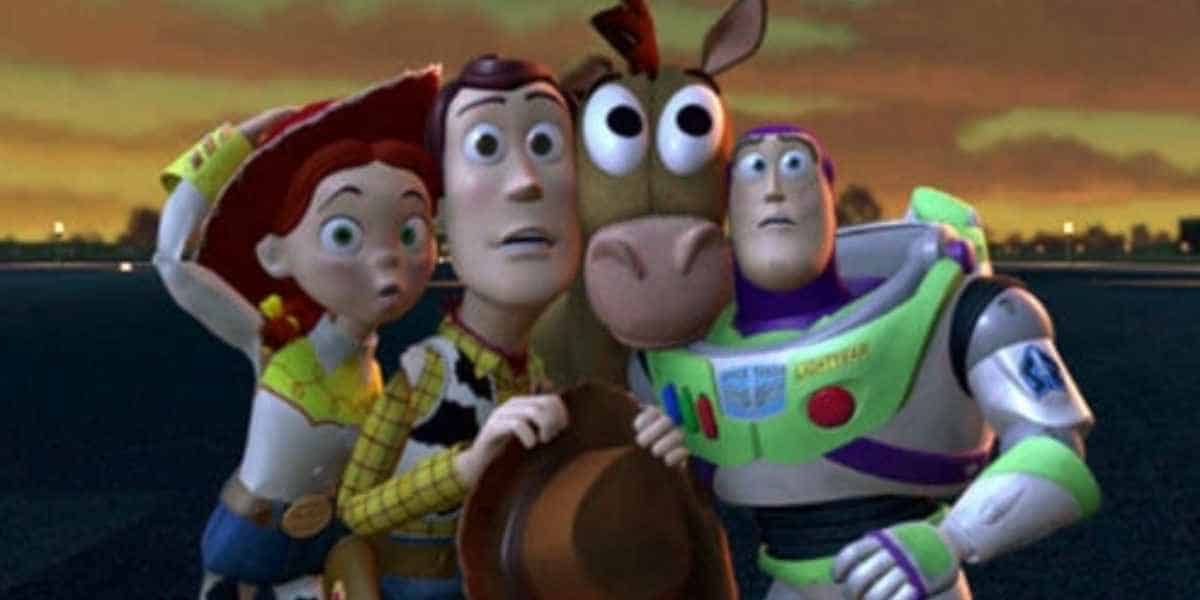
Partnering with OpenAI, Disney will allow users to generate AI-powered videos featuring iconic characters from franchises such as Marvel, Star Wars, and Pixar. This collaboration utilizes OpenAI’s Sora video generator and ChatGPT Images platform, a significant leap towards modernizing Disney’s approach to content.

However, Disney has placed stringent restrictions on this new technology. To protect the interests of its actors and creatives, the deal explicitly prohibits the use of actors’ likenesses or voices in the generated content.
This careful maneuver aims to strike a balance between creative innovation and safeguarding the rights of individuals who contribute to Disney’s vast array of stories and characters. By prioritizing intellectual property rights, Disney is navigating the complex landscape of AI while setting a precedent in how entertainment companies may interact with technology.
Legal Action Against Google Unleashed
In a surprising twist, just after announcing its AI investment, Disney initiated legal actions against Google by sending a cease-and-desist letter. This letter accuses Google of infringing on Disney’s intellectual property rights through the unauthorized use of Disney works to train its generative AI models. The allegations have raised serious concerns, particularly given Google’s significant influence in the AI space.
The cease-and-desist letter outlines that Google’s AI technologies are leveraging Disney’s intellectual property “to free ride” on its creative works, a claim that underscores ongoing ethical dilemmas regarding copyright in the digital age. Google responded by asserting that it only utilizes publicly available content for its AI models, emphasizing its longstanding relationship with Disney.
Despite this, Disney remained firm, suggesting that it had previously raised these issues without receiving a satisfactory resolution from the tech giant.
Discontent Among Disney Creators
As these developments unfold, significant discontent is brewing among Disney’s creative workforce. Many creators fear that their original works could be appropriated without consent, raising concerns about exploitation and the devaluation of artistic contributions. Such worries reflect broader concerns about intellectual property rights as AI technologies become increasingly integrated into creative processes.
Animator Dana Terrace, known for her work on “The Owl House,” has publicly voiced opposition to Disney’s recent AI initiatives. In protest, she encouraged fans to bypass Disney+ to avoid supporting a system that could undermine artistic labor. This sentiment resonates among many in Disney’s community, highlighting the potential repercussions for talent if their work is used without proper recognition or compensation.
The rising unrest among creatives may lead to an exodus of talent, as individuals seek to protect their original works and livelihoods in an evolving technological landscape that increasingly embraces AI.
Broader Industry Implications and Future Outlook
Disney’s aggressive adoption of AI not only positions it at the forefront of technological innovation within the entertainment industry but also raises critical questions regarding copyright and content ownership. The conflict with Google may signal the beginning of a broader debate over the protection of intellectual property in an era shaped by AI advancements.
As the film and entertainment sectors increasingly merge with technology, the balance between progress and creator rights becomes essential. The ongoing situation between Disney and Google underscores the urgent need for updated copyright frameworks that can keep pace with the rapid development of AI.
In this evolving context, transparent and fair guidelines are imperative to safeguard original works. Disney’s robust presence in AI development may prompt significant conversations within the industry, focusing on artists’ rights and the ethical implications inherent in using AI technologies for creative works. The interplay between innovation and respect for creative talent will undoubtedly shape the future of the entertainment industry, sparking critical discussions on how to navigate the complexities of modern technology.