
 Disney Tips Your Guide To A Great Disney Vacation

In the meticulously polished world of Disney Parks, every word on the official website is vetted by a small army of lawyers and PR specialists. So, when the “Accessibility” section sees a sudden flurry of updates, the community takes notice. In early 2026, many hoped these changes signaled a softening of attitudes toward the Disability Access Service (DAS). Instead, what we’ve received is a masterclass in corporate deflection: new language, old rules, and a firm “no” to the inclusive changes guests were actually hoping for.

The latest point of contention centers on “Attraction Queue Re-Entry.” As reported by BlogMickey, Disney has recently moved this specific language to a prominent position on its website. To the uninitiated, it looks like a new accommodation. To those who have spent years navigating the parks, it’s a rehash of an existing operational guideline—one that fails to address the core problem.
The Re-Entry Red Herring
The “Queue Re-Entry” policy allows a guest to leave a line for a medical need and then rejoin their party. Disney is framing this as a viable alternative for the thousands of guests who have been denied DAS since the April 2024 crackdown.

But for a guest with a condition like Crohn’s disease, POTS, or severe chronic pain, this “solution” is a logistical nightmare. It requires a guest to:
- Navigate out of a packed, winding 90-minute queue.
- Find a Cast Member to explain their situation.
- Wait for their medical episode to pass.
- Navigate back through the crowd—often against the flow of traffic—to find their family.
By touting this as a primary accommodation, Disney is placing the entire physical and social burden on the disabled guest. It treats the symptom (needing to leave a line) while ignoring the cause (the inability to wait in a stationary, high-stimulation environment in the first place).
The Boardroom Wall: Investors vs. Inclusion
While the website updates offer a change in tone, the real story is playing out in Disney’s recent corporate filings. According to Inside the Magic, Disney is actively urging its investors to vote against a shareholder proposal that would force the company to rethink its current DAS system.
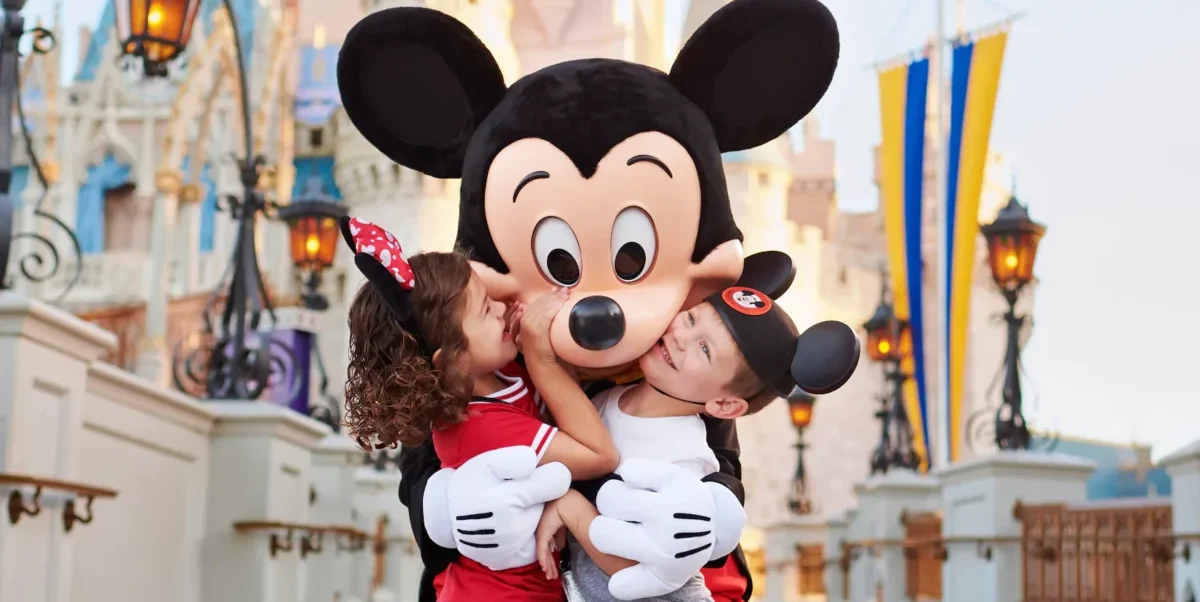
The proposal sought to make DAS more inclusive for those with non-developmental disabilities—veterans with PTSD, survivors of major surgeries, and those with autoimmune disorders. By fighting this, Disney is essentially confirming that its “developmental-only” wall is built to last. The company argues that the changes were necessary to stop system abuse and protect the efficiency of the Lightning Lane Pass.
This is the “Disney Disconnect.” In the boardroom, the conversation is about “system integrity” and “monetization.” At the park gates, the conversation centers on a child who can’t visit the Magic Kingdom because their physical disability doesn’t meet the company’s narrow new definition.
A Mirage of Progress
The 2026 updates are a mirage. Disney has perfected the art of making a “clarification” look like a “concession.” They’ve updated the FAQs, they’ve highlighted the return-time policy, and they’ve moved the re-entry rules to the front page. But they haven’t moved the needle on actual access.

For the guests who have been “DAS-denied,” these language changes feel like a patronizing pat on the back. Disney is telling them, “We hear you,” while simultaneously telling investors, “We won’t change.”
Until Disney acknowledges that a “non-developmental” disability can be just as debilitating in a Florida sun-drenched queue as a developmental one, the magic will remain gated. The language is prettier, but for the disabled community, the door is still very much closed.



Well Disney has finally come out with blatant DISCRIMINATION AGAINST DISABLED INDIVIDUALS
HOW UNFAIR IS THIS????
It would be nice to be able to go to the parks and WALK around all day long but unfortunately some people young or old are NOT ABLE TO DO THIS because they are DISABLED so their option is to just stay home and not go to the parks now look who is DESTROYING THE MAGIC!!!!!!!
Walt Disney who created the parks would never stand for this total discrimination against people that are handicapped for some medical reason