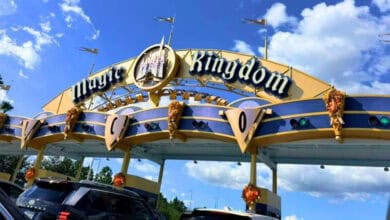
Disney World Escalates Lightning Lane Rules, Effectively Banning Regular Ticket Holders From Main Attractions


Disney World is trying to keep regular families from enjoying the main attractions with this one thing. It used to be free; now it costs over $400. I’m sure you know what we’re talking about, so let’s get into it.
If you have no idea what we’re talking about, then buckle up and keep reading. This information might help you decide on your next vacation plans for Orlando.

Disney World Lightning Lane: What Will the Prices Look Like in the Future?
Walt Disney World’s paid line-skipping system turns five this fall, and the price difference from its 2021 debut is easy to see. Disney Genie+ launched at Walt Disney World at $15 per person, per day. Five years later, Lightning Lane Multi Pass prices vary by both park and date, with guests sometimes paying considerably more for the modern equivalent.
The change isn’t uniform. Magic Kingdom generally commands the highest Multi Pass prices, while Disney’s Animal Kingdom can remain much closer to that original $15 benchmark. That means the cost of shorter waits is increasingly dependent on where—and when—you visit.

Disney World Lightning Lane Prices Have Changed Since 2021
When Disney Genie+ arrived at Walt Disney World in October 2021, guests paid $15 per person per day for access to Lightning Lane return times at participating attractions. Some of the resort’s highest-demand rides were excluded and sold separately through individual Lightning Lane purchases.
We covered the original Genie+ pricing and à la carte model at the time. Disney later moved Genie+ to variable and then park-specific pricing, setting the stage for September 29’s much wider range.
By late 2025, Magic Kingdom Multi Pass had reached $45 on peak dates. That was three times the $15 price charged for Genie+ when the service debuted, although the products and their booking rules changed during that period. EPCOT reached $37, Hollywood Studios $39, and Animal Kingdom $35 on the dates documented by us.
Those are snapshots, not permanent rates. Disney’s official Lightning Lane information says prices vary by date and theme park or attraction and may be higher during peak periods.

The Product Changed Along With the Price
Price alone does not tell the entire story because the 2026 product is not identical to the service Disney launched in 2021.
On July 24, 2024, Disney renamed Genie+ as Lightning Lane Multi Pass and individual Lightning Lane as Lightning Lane Single Pass. Disney also restored advance planning: Multi Pass buyers can choose up to three experiences and arrival windows before their visit. Disney announced those changes in June 2024.
Disney Resort hotel guests and guests at certain select hotels can purchase passes up to seven days before their stay. Most other eligible guests can purchase three days before their park visit. That planning advantage is now part of the product.
Lightning Lane nevertheless remains an optional purchase on top of valid theme park admission. Guests who skip it can use standby queues where offered.

Paying More Can Still Leave Major Rides Outside Multi Pass
Disney sells Lightning Lane Single Pass access separately for several high-demand attractions. At Magic Kingdom, Seven Dwarfs Mine Train and TRON Lightcycle / Run sit outside Multi Pass. Guardians of the Galaxy: Cosmic Rewind at EPCOT, Star Wars: Rise of the Resistance at Hollywood Studios, and Avatar Flight of Passage at Animal Kingdom are also Single Pass attractions.
A guest can therefore purchase Multi Pass and still face another decision: use the regular available queue for a headliner or pay separately for Single Pass.
Disney has also added Lightning Lane Premier Pass, which provides one-time access to each available Lightning Lane experience in one park without scheduled arrival windows. “Buying Lightning Lane” can now mean very different levels of convenience and cost.

The Biggest Difference Is What a Disney World Day Can Cost
For families, per-person increases multiply quickly.
At Magic Kingdom’s documented $45 peak, Multi Pass alone would cost $180 for a family of four before applicable tax. That is $120 more than four $15 Genie+ purchases would have cost at the service’s original 2021 price. Add paid line-skipping across several park days, and it can become a significant vacation-budget category.
Recent pricing also demonstrates how quickly the number can move. We reported Magic Kingdom dropping from $32 to $25 between August 20 and August 25, 2026. Weeks later, prices began climbing again for early October dates.
That variability matters almost as much as the five-year increase. The price seen during one trip, month, or week may not apply to another.

Five Years Later, Guests Face More Pricing Decisions
Disney’s current system gives guests something the original Genie+ model did not: several selections before arriving at the park. It also divides paid access among Multi Pass, Single Pass, and Premier Pass, each with different rules and costs.
The five-year comparison therefore isn’t simply “$15 became $45.” The $45 figure represents a documented peak for Magic Kingdom, while lower prices remain available depending on the park and date. Disney’s pricing model now creates a range rather than one predictable daily charge.
For guests planning a Walt Disney World vacation, the practical takeaway is to treat Lightning Lane as a variable expense rather than a fixed fee. Disney directs guests to the My Disney Experience app for current prices and says pricing varies by date, park, and—in the case of Single Pass—attraction.
What happens next is unknown. Disney has not announced a fixed ceiling for future Multi Pass pricing or said another increase is imminent. Five years into paid Lightning Lane, however, guests face a larger range of prices—and a more complicated decision about how much shorter waits are worth.