 Disney Tips Your Guide To A Great Disney Vacation

Walt Disney Imagineering rarely speaks with one voice, but recent reporting suggests a shared frustration has taken hold. Behind the blockbuster success of Disney’s modern theme parks, a quieter debate has unfolded over how much creative freedom still exists inside the company’s most storied division.
That tension, detailed in new reporting from The Wall Street Journal, traces back to a shift in philosophy that began years ago. It is not the result of one project or one land, but of a long-running recalibration of priorities inside the company – one that’s made the upcoming Villains Land the most appealing project for Imagineers.
Credit: Disney
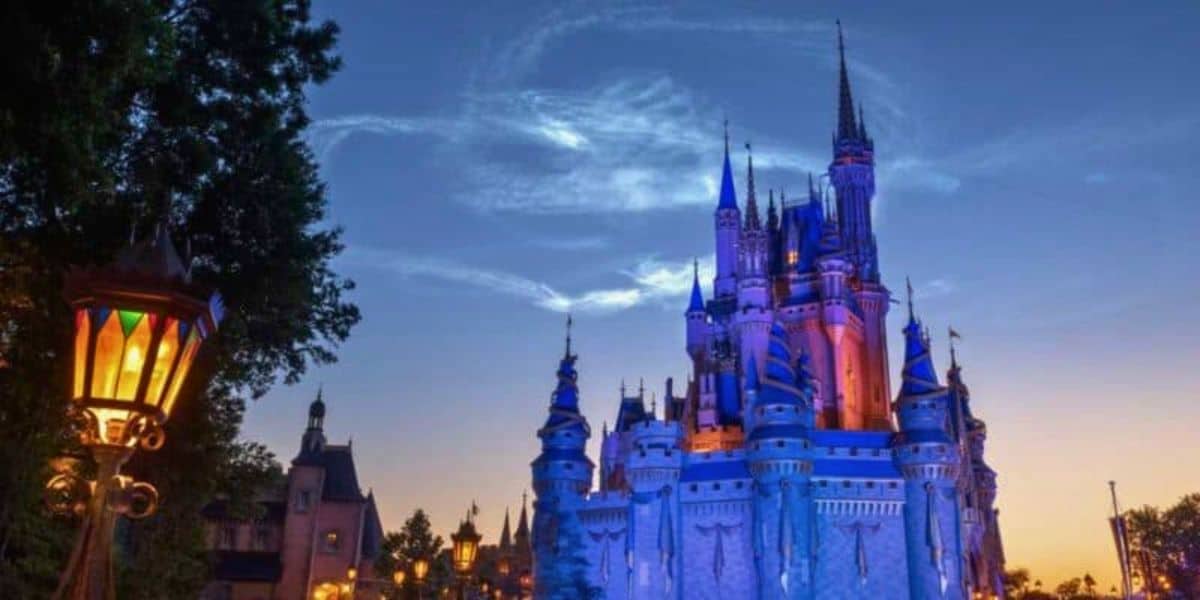
For generations, Imagineering functioned as a creative engine that developed environments first and narratives second. Original concepts, atmospheric storytelling, and thematic cohesion shaped lands that could evolve over time without being anchored to a single franchise.
That model did not disappear overnight. Instead, it gradually gave way to a system where recognizable intellectual property became the starting point rather than the finishing touch.
A Corporate Mandate Takes Hold
According to The Wall Street Journal, Walt Disney Imagineering lost some of its “prized autonomy” after Bob Iger took over as CEO of The Walt Disney Company in 2005 (in 2022, Iger returned for an unexpected second stint after the ousting of Bob Chapek). The change altered how creative decisions were made and who ultimately controlled them.

Credit: Disney
Under Iger, the mandate for Disney’s theme parks mirrored the company’s film strategy. As described by the publication, the directive was to “focus on franchises, whether from the company’s vaults or his acquisitions of Pixar, Marvel and Lucasfilm.”
The timing was not accidental. Iger’s first tenure coincided with aggressive corporate expansion, including major studio acquisitions and unprecedented capital spending on theme parks across multiple continents.
Attendance numbers validated the approach. In 2018, Walt Disney World Resort alone welcomed a record 58 million visitors, buoyed by high-profile land openings and marquee attractions tied to globally recognizable brands.
Credit: Disney
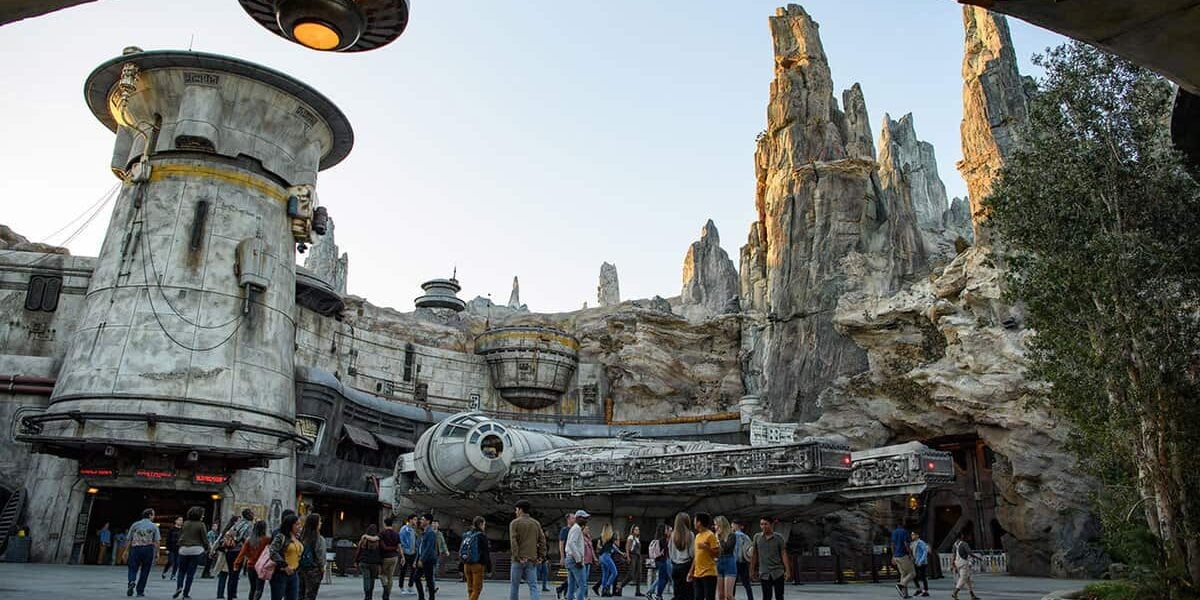
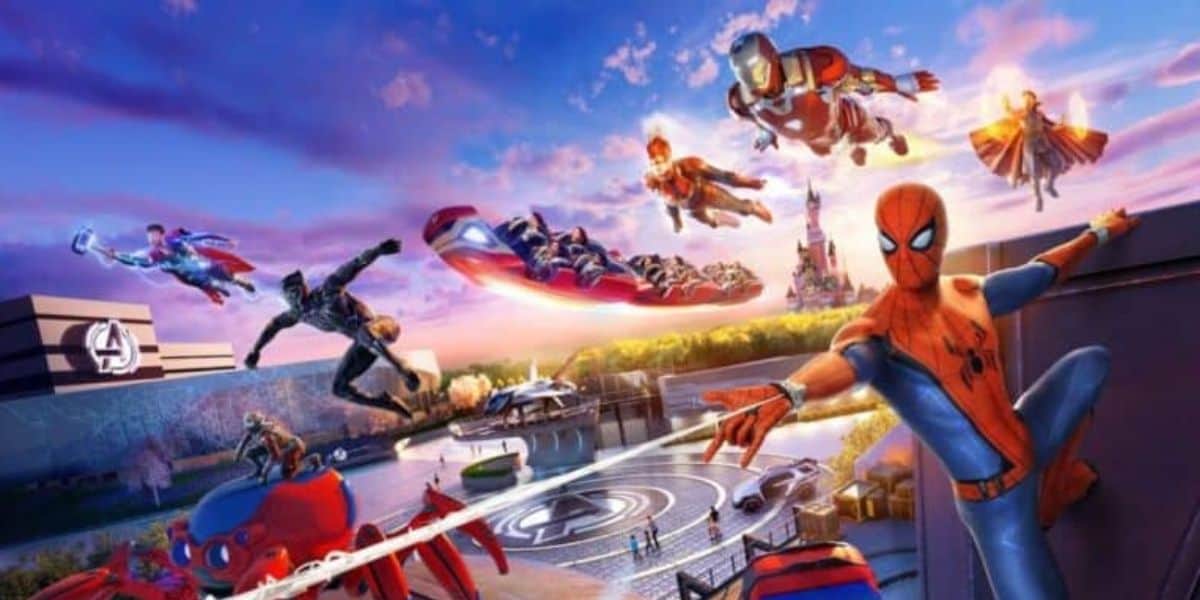
Entire sections of parks were reimagined around singular narratives. Lands like Star Wars: Galaxy’s Edge, Avengers Campus, and Pandora – The World of Avatar became centerpieces, designed to function as physical extensions of film franchises.
The model proved commercially successful. Guests responded positively to immersive environments that delivered familiar characters, settings, and storylines with cinematic detail and scale.
Yet what the approach gained in clarity, it arguably lost in flexibility. Earlier lands often housed multiple stories within a single thematic framework, allowing attractions to change without dismantling the surrounding environment.
Credit: Disney
By contrast, IP-driven lands are tightly bound to their source material. Their longevity depends on the enduring popularity of the franchise itself.
Creativity Constrained at Walt Disney Imagineering
Inside Imagineering, that shift has not gone unnoticed. The Wall Street Journal reports that the division’s “rich history of creating original stories” has largely been sidelined since the 2010s, fueling concern among longtime creatives.
Those concerns surfaced repeatedly during internal discussions. “At every all-hands meeting, I would be asked if we’d get to create new Imagineering original stories again,” Barbara Bouza, president of Walt Disney Imagineering from 2020 to 2024, told the publication.
The quote reflects a broader desire for creative balance rather than outright rejection of IP. Imagineers are not opposed to working within existing worlds, but many appear eager for opportunities to build something less prescriptive.

Credit: Disney
Ironically, the project generating the most excitement internally still relies on established characters. According to Imagineers who spoke with The Wall Street Journal, Villains Land has become a rare source of creative optimism.
Planned for Magic Kingdom near the upcoming Cars Land, the land is still in early development and has not yet entered full construction. Its appeal lies less in novelty of characters and more in tone and structure.
Disney has described the land as “a place where poison apples are aplenty and magic potions can ruin your whole day,” signaling a darker, more atmospheric experience than typical park offerings.

Credit: Disneyland Paris
“Be prepared, you poor unfortunate souls,” Disney Experiences Chairman Josh D’Amaro said at D23: The Ultimate Disney Fan Event. “It’s going to be a fearless new vision for what a Disney experience can be.”
Concept art suggests a setting shaped by mood rather than a single storyline, with looming architecture and at least two major attractions, including a rumored roller coaster. Retail and dining are expected to follow a similarly theatrical approach.