
 Disney Tips Your Guide To A Great Disney Vacation

The debut of Universal’s Epic Universe was heralded as the new gold standard for theme park immersion, but for one family, the “magic” vanished in a heartbeat. What began as a celebratory trip to SUPER NINTENDO WORLD ended in a traumatic confrontation, a security interrogation, and a permanent trespass order that has left the theme park community questioning the resort’s sensitivity toward guests with disabilities.

The heart of the controversy? A $16 Mario keychain and a split-second decision made by a mother trying to protect her child.
The Incident: A Sensory Meltdown in the Mushroom Kingdom
On December 27, Nikki Daou and her family were enjoying the vibrant, high-energy environment of the newly opened SUPER NINTENDO WORLD. However, for their 10-year-old daughter—who has severe autism—the overwhelming crowds and chaotic noise levels triggered a sensory meltdown.
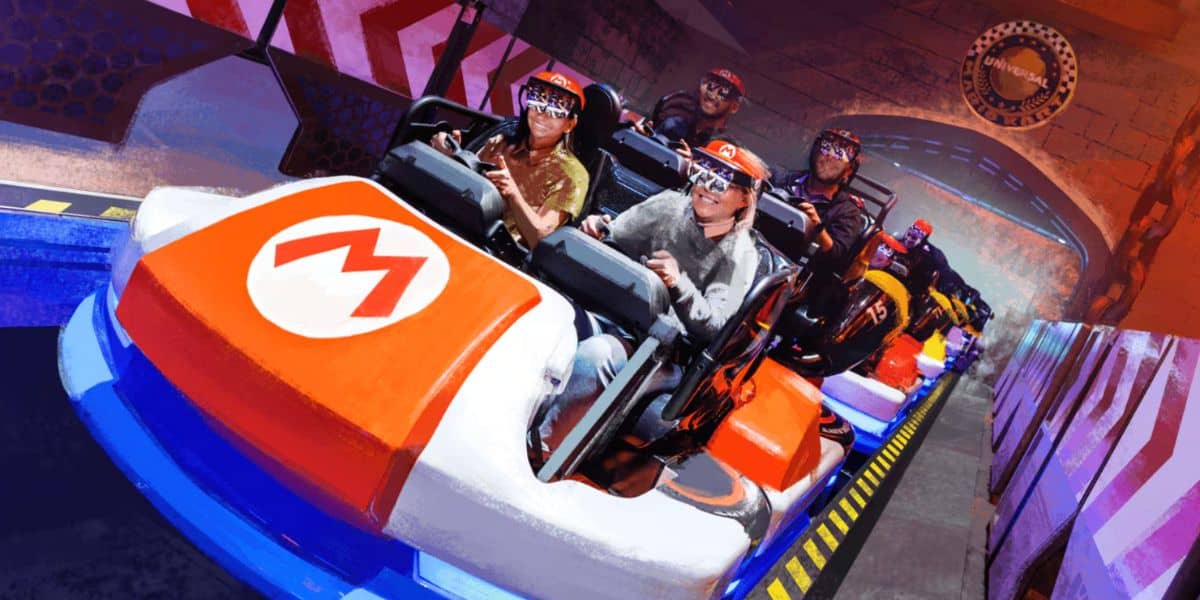
As the situation escalated, Daou realized she needed to move her daughter to a quieter area immediately. At that moment, her daughter was holding a Mario keychain. In the rush to de-escalate the meltdown, Daou stepped just outside the shop’s entrance with her daughter to find a “cool-down” spot.
The critical context:
- The Intent to Pay: Daou’s husband remained inside the store, standing in the checkout line.
- The Proof of Purchase: He was holding the ripped-off barcode for the keychain, prepared to pay for it along with the rest of the family’s souvenirs.
- The Misunderstanding: Despite the husband’s presence at the register, plainclothes security intercepted Daou outside, accusing her of shoplifting.
The Security Response: Interrogations and Civil Demands
Rather than a compassionate inquiry into the situation, the family alleges they were met with a rigid, “zero-tolerance” security protocol. They were reportedly escorted to a private security office and subjected to a 30-minute interrogation.

Despite the parents’ efforts to explain their daughter’s disability and pointing out that the husband was literally in the process of paying for the item, Universal staff did not back down. The result was a permanent trespass order, banning the entire family from all Universal properties for life.
The situation took an even more “alarming” turn three days later when the family received a formal letter from a Universal attorney. The letter demanded $200 in civil damages for the “intentional” deprivation of a $16 item—a move that legal experts have characterized as a standard “loss prevention” tactic that completely ignored the context of the disability.
A Failure of Sensitivity and ADA Awareness
The most striking aspect of this case is that the family had reportedly pre-registered their daughter’s disability with Universal’s Guest Services before their visit. Despite being in the system as a family requiring accommodations, the security team allegedly failed to follow any ADA-compliant de-escalation procedures.

Critics argue that this incident exposes a massive gap in Universal’s operational culture:
- Priority Over People: The focus on “loss prevention” at all costs resulted in a traumatic experience for a child who was already in a state of distress.
- Lack of Discretion: Security staff chose to enforce a lifetime ban rather than allow a manager to mediate an apparent misunderstanding involving a minor.
- Corporate Rigidity: The refusal to revoke the trespass order after the facts came to light has sparked a PR nightmare for the world-class resort.
The Legal Fight for Accountability
While Universal has remained largely silent on the specifics of the case, the family has sought legal counsel to challenge the ban. They aren’t looking for a “payday”; instead, their demands are centered on justice and education.
The family is requesting:
- A formal revocation of the permanent trespass order.
- A sizable donation by Universal to a charity that supports neurodivergent individuals.
- A public acknowledgement of the failure to handle the situation with basic empathy.
Conclusion: A Warning for Families in 2026
As Epic Universe continues to attract millions of visitors in its inaugural year, the Mario keychain incident serves as a sobering reminder for families traveling with neurodivergent children. While the park’s technology is futuristic, its human protocols appear to be struggling to keep up with the complexities of modern guest needs.

For the Daou family, the “Epic” experience is one they can never repeat. For Universal, the cost of a $16 keychain may ultimately be far higher in terms of public trust and brand reputation.
Should theme parks be required to involve a “Disability Coordinator” before issuing permanent bans to families with special needs?


