Goodbye Gas, Hello Grid: Bob Gurr Leaks Disney’s Radical Blueprint for the New Autopia


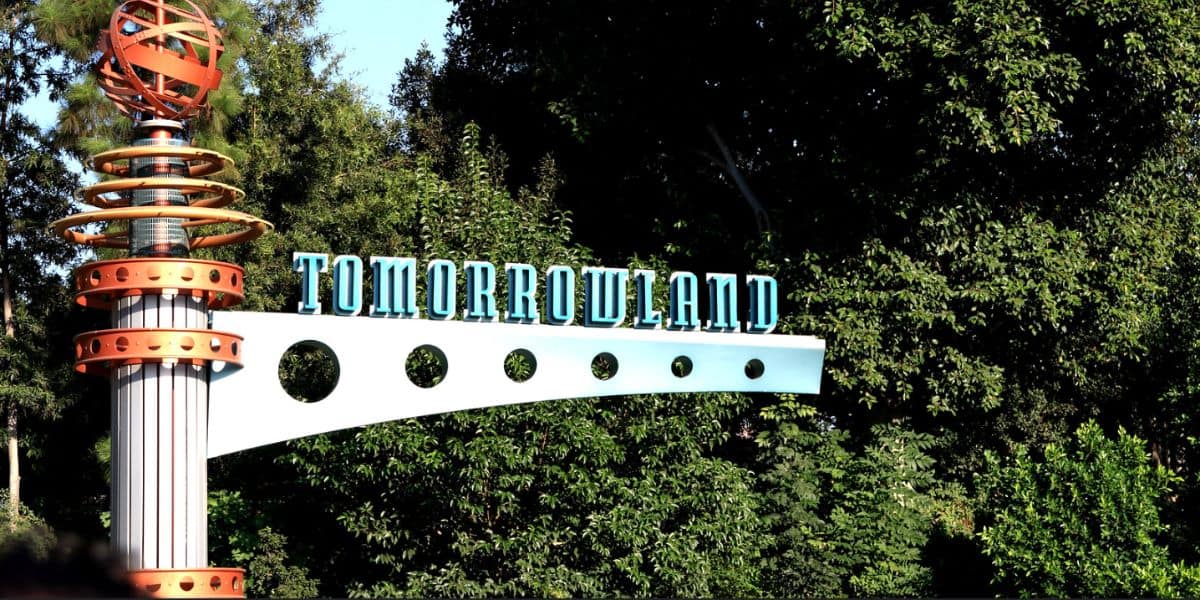
For nearly seven decades, the signature atmosphere of Disneyland’s Tomorrowland has had an unexpected calling card: the buzzing rattle of lawnmower-style combustion engines and the smell of exhaust fumes. Since opening day in July 1955, Autopia has offered generations of kids their first turn behind the wheel. Yet for decades, modern parkgoers have felt the gasoline highway stubbornly stuck in the past—the loudest, least futuristic corner of a land built to celebrate tomorrow.
That era is coming to a close.
Disneyland is preparing to retire its combustion engines in early 2027. Fresh revelations from Disney Legend Bob Gurr—the master designer who engineered the original 1955 ride vehicles for Walt Disney—point to a surprising technical choice: rather than putting heavy batteries under the hoods, Disney is building an electrified track that feeds power directly to the vehicles from the ground.
Bob Gurr Reveals the Battery-Free Design
When Disneyland confirmed in 2024 that Autopia would abandon gasoline, industry watchers widely assumed the park would follow the consumer electric vehicle route, deploying go-karts outfitted with standard rechargeable lithium-ion battery packs.

Speaking with The New York Times, 94-year-old Imagineering veteran Bob Gurr revealed that Disney executives recently brought him to a development facility to view a working scale model of the updated ride. According to Gurr, the project bypasses traditional battery charging entirely. Disney is engineering an electrified track that delivers current directly to the cars as they travel along the highway.
Gurr summarized the setup as fully electric, but “not the conventional idea of a battery in a car.”
Much like a full-scale slot-car raceway, third-rail transit line, or city streetcar, the vehicles will draw continuous electrical current through contact pickups positioned underneath the chassis.
The candid disclosure caught park leadership off guard. Gurr’s representative contacted The New York Times, asking it to retract the comments, stating that Disney had asked Gurr to stop speaking publicly about the project’s mechanical details. The publication published the interview anyway, noting the discussion had been held on the record.
Why No Batteries Means Fewer Headaches
Operating hundreds of gas-powered karts is messy, but managing a massive fleet of battery-powered vehicles brings its own operational headaches. Electrifying the track directly bypasses several major hurdles:

- Zero Charging Downtime: Battery-powered fleets require routine charging rotations or automated battery-swapping infrastructure behind the scenes, which pulls dozens of cars out of service every hour. An electrified track delivers uninterrupted power from morning rope drop to midnight closing.
- Fire Safety & Thermal Load: Storing dense lithium-ion cells in lightweight vehicles driven by unpredictable drivers under the Southern California sun poses thermal-runaway risks. Powering the cars through the track removes high-risk battery chemistry from the passenger compartment entirely.
- Lower Vehicle Weight: Heavy battery packs stress steering knuckles, tires, and brake pads. Lightweight, track-powered car bodies reduce ongoing physical wear on the roadbed and need far less energy to get moving.
- Cheaper Fleet Upkeep: Mechanical contact shoes and pickup brushes are inexpensive wear items that can be inspected and replaced in minutes, sparing maintenance teams the massive expense of cycling out degraded battery packs every few seasons.
The Road to 2027
The drive to modernize Autopia gained major momentum in 2024 when Disney reached a $56,250 regulatory settlement with the California Air Resources Board (CARB), formally agreeing to retire its gas-powered fleet by early 2027. Meanwhile, discussions regarding Honda’s ongoing sponsorship past its early 2027 contract expiration remain underway.
When the switch flips in Anaheim, Tomorrowland will finally shed the exhaust fumes and engine roar, giving Walt Disney’s classic highway the clean, quiet future it was always meant to showcase.