
 Disney Tips Your Guide To A Great Disney Vacation

Arizona’s Emergence as a Theme Park Contender
Arizona is rapidly establishing itself as a significant player in the theme park industry, directly challenging Central Florida’s long-standing supremacy in the sector. Glendale and Mesa are leading this charge with ambitious development plans aimed at creating attractions that compete with the iconic offerings of Walt Disney World and Universal Studios.
In Glendale, the upcoming Mattel Park stands out with its ambitious design. This theme park will feature a vast 160,000 square feet of air-conditioned indoor space, specifically tailored to provide families with a respite from the sweltering Arizona heat. With attractions that include shopping, dining, and multiple immersive experiences, this park aims to be an all-day destination for entertainment seekers.
Mesa, not to be outdone, has recently approved an 80-acre theme park zone, positioning itself as a formidable rival to Central Florida’s theme parks. This space, previously known as the Fiesta Mall, allows for the development of multiple attractions alongside a planned multi-use soccer stadium. Such developments signal Mesa’s intention to carve out its own niche in the theme park landscape.
Mattel Park: A Game Changer in Glendale
Mattel Park is poised to be a game-changer for the region. Architects have designed the park to cater particularly to families, focusing on innovative indoor spaces that can accommodate visitors throughout the year. This setup can provide entertainment even during extreme weather, susceptible as Arizona is to high summer temperatures.
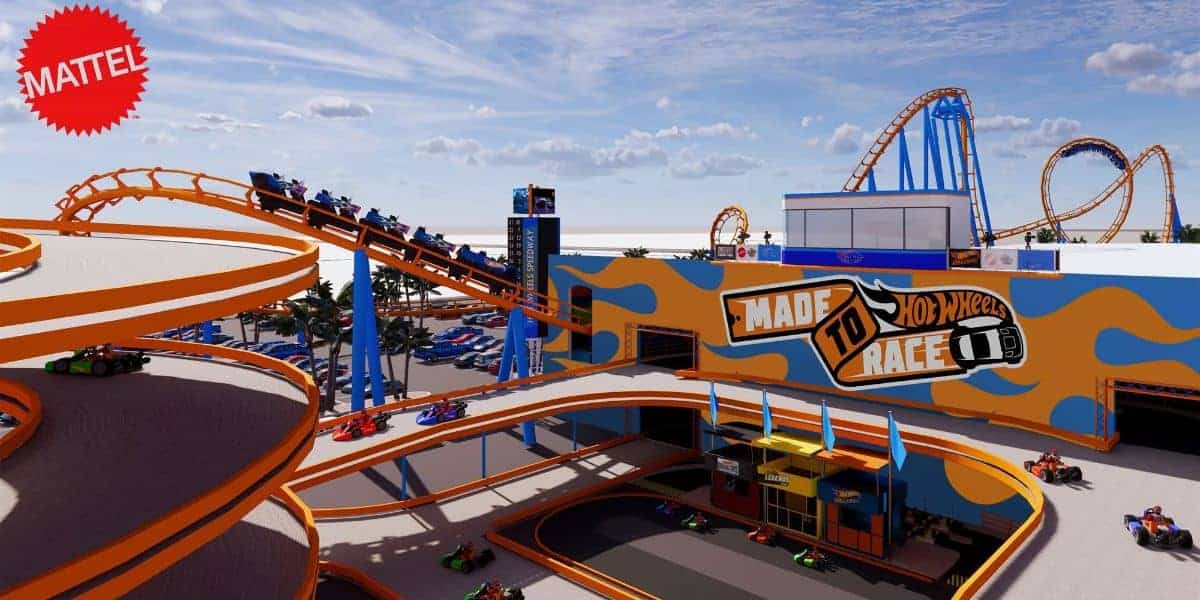
Expected attractions include a variety of theme-based rides and interactive experiences centered around beloved Mattel brands. The intent is to engage visitors from start to finish, ensuring that families have plenty of options to keep them entertained. The introduction of Mattel Park is not just about providing fun; it’s expected to significantly impact local tourism and stimulate the economy, drawing visitors from far and wide.
The anticipation surrounding the park’s opening, now delayed until 2026, continues to grow. Industry analysts remain optimistic that Mattel Park will attract visitors looking for new experiences, ultimately reshaping local and regional tourism dynamics.
Mesa’s Ambitious Plans for Family Entertainment
Mesa’s plans reflect its ambition to establish itself in the family entertainment sector. The city’s approved theme park zone spans 80 acres, with room not only for a theme park but also for a multi-use stadium designed to attract potential professional soccer teams. This integrated approach provides a broader range of attractions, thereby enhancing the area’s appeal.

The new theme park zone promises to bring a blend of recreational options that could rival Central Florida’s offerings. With plans still in the early stages, no specific developers have stepped forward yet, but the potential for creating jobs and boosting local economic activity is substantial. City officials are enthusiastic about the possibilities, viewing this as an opportunity to revitalize tourism and attract families seeking engaging activities.
With an eye toward future tourism, Mesa is positioning itself to be competitive with established markets. The blend of indoor parks and outdoor venues caters well to visitors seeking variety, indicating a strategic move to adapt to modern consumer preferences.
Central Florida’s Response to New Challenges
For decades, Central Florida has held the title of the theme park capital of America, characterized by its vibrant attractions and a loyal visitor base. However, the recent emergence of Arizona as a theme park rival raises questions about the future of this dominance. As Glendale and Mesa make plans, Central Florida must consider its strategies to maintain its competitive edge.

The landscape of theme park competition is evolving, and Central Florida’s established giants have begun adapting to these new challenges. This might involve expanding current attractions, enhancing visitor experiences, or even exploring partnerships with emerging entertainment destinations. The goal remains to protect the region’s reputation while continuing to attract families looking for unforgettable experiences.
As competition grows, Central Florida’s response may redefine how theme parks operate and engage with their visitors. Embracing innovation and recognizing changing consumer preferences can provide the area with the necessary tools to thrive despite new entrants.

Arizona’s rise as a serious contender for the theme park crown is not just a regional development; it signifies a shift in the industry landscape that could influence family entertainment options nationwide. Central Florida will need to navigate these developments carefully, focusing on innovation and enhancing visitor experiences to retain its status as the nation’s theme park leader. As this competition intensifies, families seeking fun and adventure are likely to benefit.


