 Disney Tips Your Guide To A Great Disney Vacation

Netflix’s proposed acquisition of Warner Bros. Discovery is still several years from completion, but its potential impact is already reshaping industry conversations. The $27.75-per-share cash-and-stock offer, which shareholders are expected to vote on in 2026, would place one of Hollywood’s oldest studios under the control of the world’s largest streaming platform.
The possible merger has reignited broader anxieties about the future of legacy studios in a streaming-dominated landscape. Warner Bros., founded in 1923, has long been defined by theatrical releases, filmmaker-driven projects, and carefully managed franchises.

Credit: Warner Bros.
Netflix represents a different model entirely. The company has been open about its limited interest in theatrical exhibition, instead prioritizing subscriber growth, global reach, and platform-first storytelling designed to keep audiences engaged year-round.
That philosophical gap has raised questions about how Netflix would handle Warner Bros.’ most valuable intellectual properties. Some observers worry about dilution. Others see opportunity in scale and long-term investment.
Few franchises sit at the center of that debate more squarely than Harry Potter. The Wizarding World remains one of Warner Bros.’ most recognizable and commercially powerful assets, even as it enters a period of reinvention.

Credit: Warner Bros.
Warner Bros. is currently developing a Harry Potter television reboot for HBO, framing the project as a prestige adaptation rather than a rapid expansion of the universe. What happens to that approach under Netflix ownership has been a lingering question.
A recent update from Netflix offers the clearest indication yet.
Netflix Makes Its Sentiments Towards ‘Harry Potter’ Extremely Clear
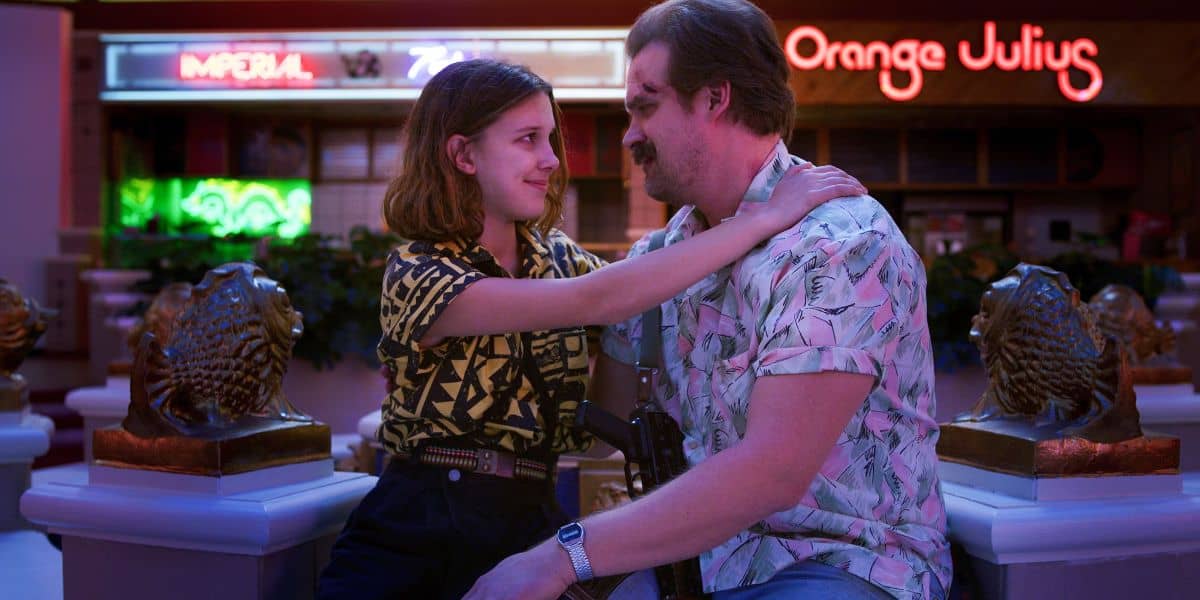
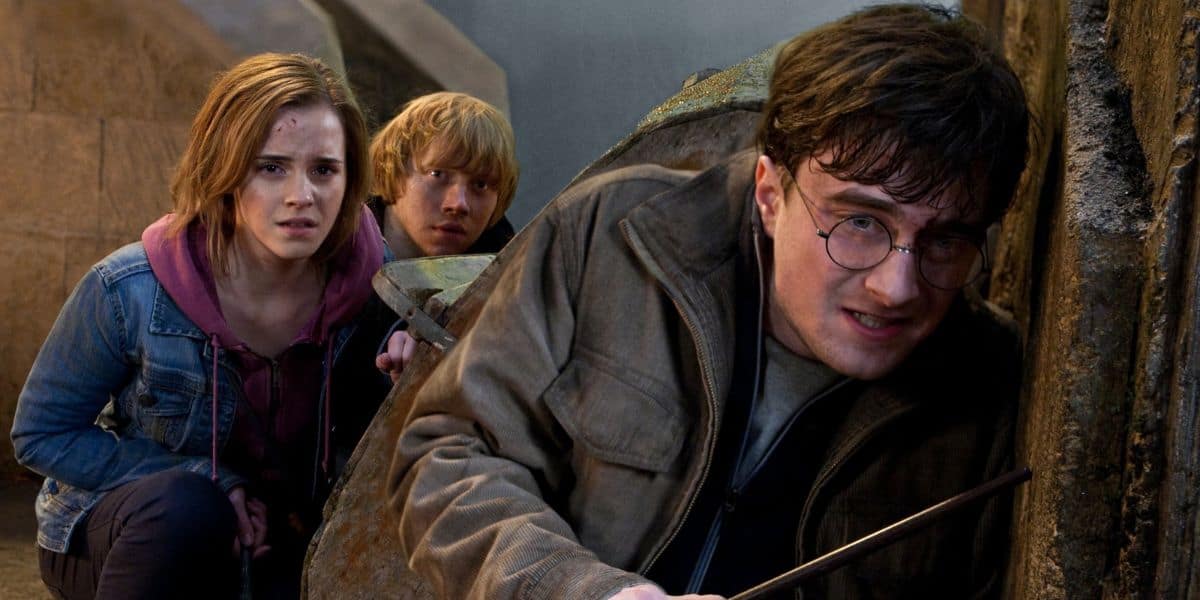
Netflix has shared new key art reflecting its Warner Bros. acquisition strategy, pairing an image of Eleven (Millie Bobby Brown) from Stranger Things alongside Harry Potter (Daniel Radcliffe).
Credit: Netflix
The pairing is notable. Stranger Things is Netflix’s most valuable original franchise, credited with driving merchandise sales, global brand recognition, and sustained subscriber engagement across multiple seasons.
Netflix has released new key art and a motto for their acquisition of Warner Bros
“Defining the next century of storytelling together… More choice, more opportunity, more value”
Netflix has released new key art and a motto for their acquisition of Warner Bros
“Defining the next century of storytelling together… More choice, more opportunity, more value” pic.twitter.com/7pL42wY5e2
— DiscussingFilm (@DiscussingFilm) December 17, 2025
By placing Harry Potter beside it, Netflix appears to be signaling how it categorizes the Wizarding World within its future portfolio — not as inherited catalog content, but as foundational IP.
Netflix also released a motto tied to the acquisition imagery: “Defining the next century of storytelling together… More choice, more opportunity, more value”.
The streamer added a tagline for the merger, claiming that it will bring “more choice,” “more opportunity,” and “more value.” The phrasing mirrors investor-facing language while doubling as reassurance to fans.
In practical terms, the message is straightforward. The Harry Potter reboot is safe.
Credit: HBO
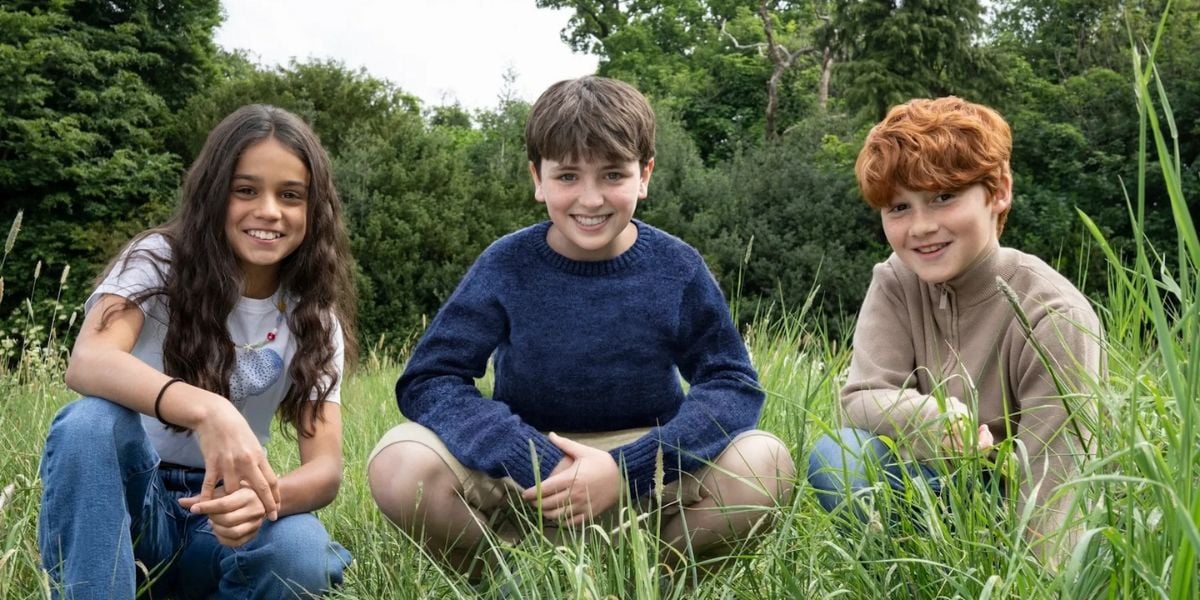
The HBO series began filming its first season earlier this year. Dominic McLaughlin stars as Harry Potter, with Alastair Stout cast as Ron Weasley and Arabella Stanton as Hermione Granger.
Season 1 is not expected to premiere until early 2027. Production plans call for annual seasons, a schedule designed to mirror the original films and limit noticeable changes in the appearances of the young cast.
That approach aligns closely with Netflix’s preference for long-term franchise planning. Serialized storytelling, predictable release cycles, and sustained audience engagement remain central to the streamer’s strategy.
While Netflix has not yet taken control of Warner Bros., the symbolism suggests that Harry Potter already occupies a protected position within its vision for the combined company.
Credit: Warner Bros.
What the Netflix Era Could Mean for the Wizarding World
The Netflix–Warner Bros. merger must still pass regulatory review, meaning the deal is unlikely to close until well into 2026.
Once Netflix assumes control, the larger question may shift from preservation to expansion. The streamer has a well-documented history of transforming flagship properties into interconnected content ecosystems.
Those ecosystems often include spin-offs, limited series, and character-focused projects designed to keep subscribers engaged between major releases. The model favors volume, variety, and global appeal.

Credit: Warner Bros.
Applied to Harry Potter, that strategy would represent a departure from Warner Bros.’ historically cautious handling of the franchise. For years, expansion efforts have been limited and tightly controlled.
Fans have long advocated for stories set during the Marauders era — the First Wizarding War and the lives of James Potter, Sirius Black, Remus Lupin, and Peter Pettigrew.
Other frequently discussed ideas include projects centered on Tom Riddle’s rise and transformation into Lord Voldemort, a period largely unexplored on screen despite its narrative significance.
Are you excited for the Harry Potter reboot?