
 Disney Tips Your Guide To A Great Disney Vacation
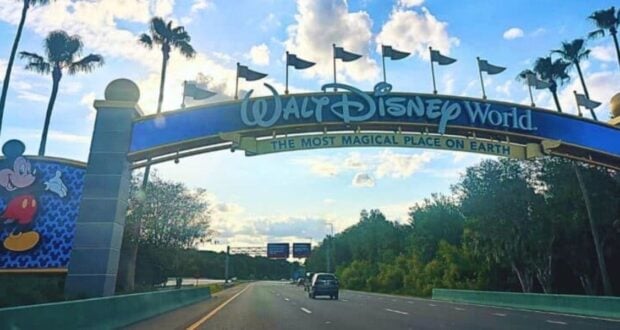
Planning a Disney World vacation involves a particular kind of thoroughness. Park reservations, dining reservations, Lightning Lane budgets, resort selection, character meet-and-greet strategies. Most guests who have done any serious research arrive at Walt Disney World feeling prepared for what happens inside the gates. What gets less attention, consistently, is the drive.

Credit: Theme Park Tourist, Flickr
Central Florida is built for cars. Whether you are heading from Orlando International Airport to your resort, moving between parks on different days, or making a grocery run to stock your hotel room, you are going to spend meaningful time behind the wheel. Tourists from across the country and around the world share the same highways, and Florida’s driving laws are not identical to what most of them are used to back home.
There are three Florida laws in particular that catch visiting drivers off guard regularly, and a new state law taking effect January 1, 2027, that adds another layer of information worth knowing before you rent a car or hit the road. None of this is meant to alarm anyone. It is meant to make sure a traffic stop does not become an unexpected memory from a trip that was supposed to be magical.
Headlights in Rain Are Required and Hazard Lights While Moving Are Prohibited

Credit: Inside the Magic
Florida is a state where afternoon rainstorms appear without warning, often while the sun is still partially visible. If you have visited before, this is not news. What might be news is the law that governs how you are supposed to respond when those storms hit while you are driving.
Florida requires drivers to turn on their headlights, and by extension their taillights, whenever they are driving in rain, smoke, or fog. This includes the brief midday downpours that tourists often try to drive through on the assumption that the storm will pass in a few minutes. Under Florida law, headlights go on when the wipers go on.
What many visitors do instead, instinctively, is turn on their hazard lights during heavy rain. That is actually prohibited in Florida while a vehicle is in motion. Hazard lights are legally intended only for stopped or disabled vehicles pulled to the side of the road. Using them while driving can confuse other drivers about your intentions and, in heavy rain conditions, actively increase the risk of accidents. It is the kind of rule that feels counterintuitive to drivers from states where hazard use during storms is common or even encouraged.
The practical takeaway is simple: rain starts, headlights on, hazards stay off unless you are stopped.
Handheld Phone Use Is Already Restricted in Key Zones
Florida currently prohibits the use of handheld cell phones in school zones and construction zones where workers are present. That means no holding your phone while driving through these areas, even briefly. Violations carry fines and points on your license.
For Disney World visitors relying on GPS navigation through unfamiliar Central Florida roads, this matters. If you pass through a school zone or an active construction zone while holding your phone to check directions, you are in violation regardless of whether you are actively looking at it. The solution is straightforward: set up your navigation before you start driving, use a phone mount, or connect your phone to your car’s display system. Most rental cars support this kind of connection and the setup takes less than a minute.
Getting a citation in a school zone on the way to Magic Kingdom is a genuinely avoidable situation.
Florida’s License Plate Obstruction Law Is Strict and Applies to Rental Cars
Florida law prohibits obstructing a license plate in any way. That includes covering it, distorting it, or even partially obscuring it with a frame, a reflective coating, a spray, or dirt buildup significant enough to interfere with visibility. Violations can escalate to a second-degree misdemeanor with penalties including fines up to $500 or jail time.
For visitors driving rental cars, this law deserves a specific moment of attention before leaving the rental lot. Decorative frames installed by the rental company are one common source of potential violations. Checking that both the front and rear plates, where applicable, are clearly visible takes about 30 seconds and removes a variable you do not want in the middle of a Disney trip.
This is the law that tends to surprise guests the most because it applies regardless of whether the obstruction was intentional or something that came with the vehicle.
A New Florida License Law Is Coming in 2027
Starting January 1, 2027, Florida will implement a new requirement for driver’s licenses and state identification cards to indicate the holder’s citizenship status. The measure was signed into law by Governor Ron DeSantis as part of the Florida SAVE Act, intended for citizenship verification purposes related to government and voting eligibility.
Under the new system, U.S. citizen licenses will display citizenship status clearly. Non-citizen licenses, including those held by legal permanent residents, will display the letters “NC” for “Not a Citizen.” The requirement applies to all newly issued, renewed, or replaced driver’s licenses and state IDs beginning January 1, 2027.
Current licenses and IDs remain valid through their existing expiration dates. The Florida Highway Safety and Motor Vehicles department has confirmed that non-citizens who subsequently become U.S. citizens will receive a free replacement card reflecting the status change.
For Disney World guests visiting in 2026, this law does not yet affect the ID you carry on your trip. For guests planning visits in 2027 and beyond, particularly international guests and legal permanent residents, it is worth being aware of how your identification will be categorized under Florida’s new system.
How Florida Driving Laws Affect a Disney World Vacation
Traffic citations, fines, and misdemeanor charges do not belong anywhere near a Disney World trip. The logistics of dealing with any of those in an unfamiliar state, potentially while on a tight vacation schedule, are genuinely disruptive in ways that go well beyond the financial cost.
The rain headlight rule, the hazard light prohibition, the handheld phone restrictions, and the license plate law all have something in common: they are easy to comply with once you know them and easy to violate if you do not. None of them require major changes to how you drive. They require about five minutes of reading before you get behind the wheel.
Set up your GPS before you leave the parking lot. Turn on your headlights when rain starts and keep your hazard lights off while moving. Check the license plate on your rental car before driving it off the lot. Those three adjustments cover the scenarios that catch the most visitors by surprise.
If you are planning a Disney World trip that involves driving and have questions about navigating Central Florida roads or what to expect on the roads around the resort, drop a comment below. We are happy to help you get to the parks smoothly and focus on the parts of the trip worth focusing on.


It is no longer illegal to use your flashing lights during a rain storm. Florida enacted a law allowing it. It’s still annoying to most of us natives .