 Disney Tips Your Guide To A Great Disney Vacation
Overview of the New Legislation
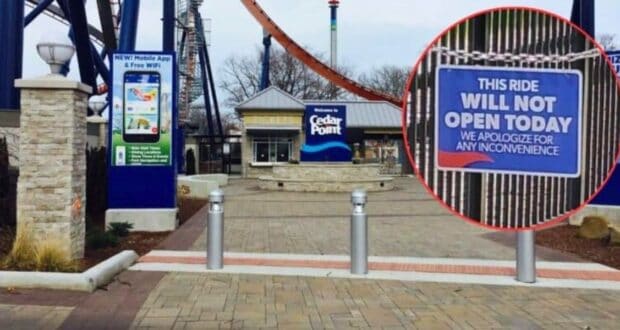
The state of Ohio is poised to transform the theme park experience with the introduction of the Real-Time Ride Status Notification Act. This new legislation, proposed by State Representative Sean Patrick Brennan, aims to provide more transparency for guests visiting theme parks.

Credit: Cedar Fair Entertainment Company
This law’s central premise is that theme parks must provide real-time updates on ride downtimes within five minutes of a ride ceasing operation. Should a ride become unavailable, visitors will receive immediate notifications when it resumes service, aiming to reduce the widespread frustration that often occurs during unexpected downtimes.
The intended impact of this law is significant; it aspires to transform visitor experiences by alleviating the irritations associated with unpredictable ride closures. Many patrons devote extensive time and financial resources to enjoying their day at a theme park, and timely information regarding ride availability is crucial. This proactive approach encourages parks to adopt a more systematic, guest-friendly operation—a shift that may lead to enhanced overall satisfaction.
Rationale for Timely Updates
Timely updates on ride status are essential in minimizing the frustrations that visitors experience concerning ride downtimes. It’s a common scenario for families to meticulously plan their day only to be met with unexpected ride closures that can disrupt their carefully laid-out activities. For many guests, especially those who have traveled considerable distances or spent significant sums of money, encountering such issues can lead to disappointment.
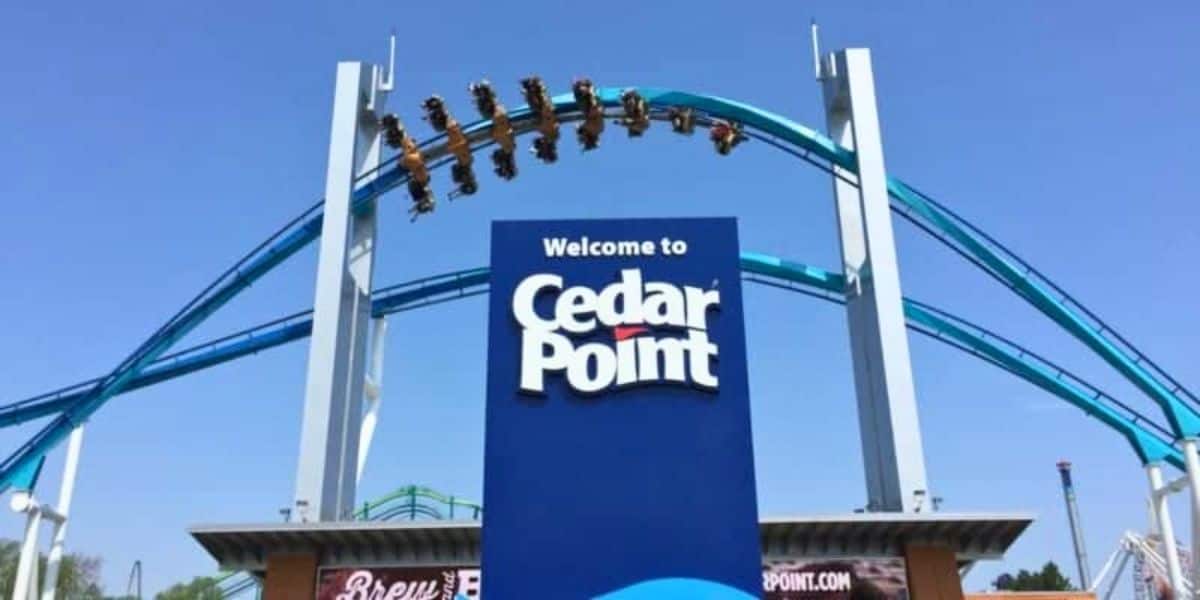
Credit: Cedar Point (@cedarpoint) on X
Theme parks allow guests to adapt their plans by providing real-time updates on ride downtimes. Guests now expect a certain level of service transparency in various sectors, from public transport to airlines. Implementing these updates aligns the theme park experience with these consumer expectations, which further emphasizes a commitment to enhancing guest satisfaction.
Incorporating accurate updates about ride statuses also promotes a more welcoming environment, encouraging guests to revisit the parks in the future. High transparency standards can foster loyalty and attract visitors seeking an uninterrupted, enjoyable experience in an increasingly competitive theme park market.
Target Implementation Parks
Cedar Point and Kings Island, two of Ohio’s most prominent theme parks and both part of the Six Flags Entertainment portfolio, are the initial focus of this legislative change. If passed, the law would require these parks to establish systems capable of delivering live updates on ride statuses, which would be significant for delivering real-time information to visitors.
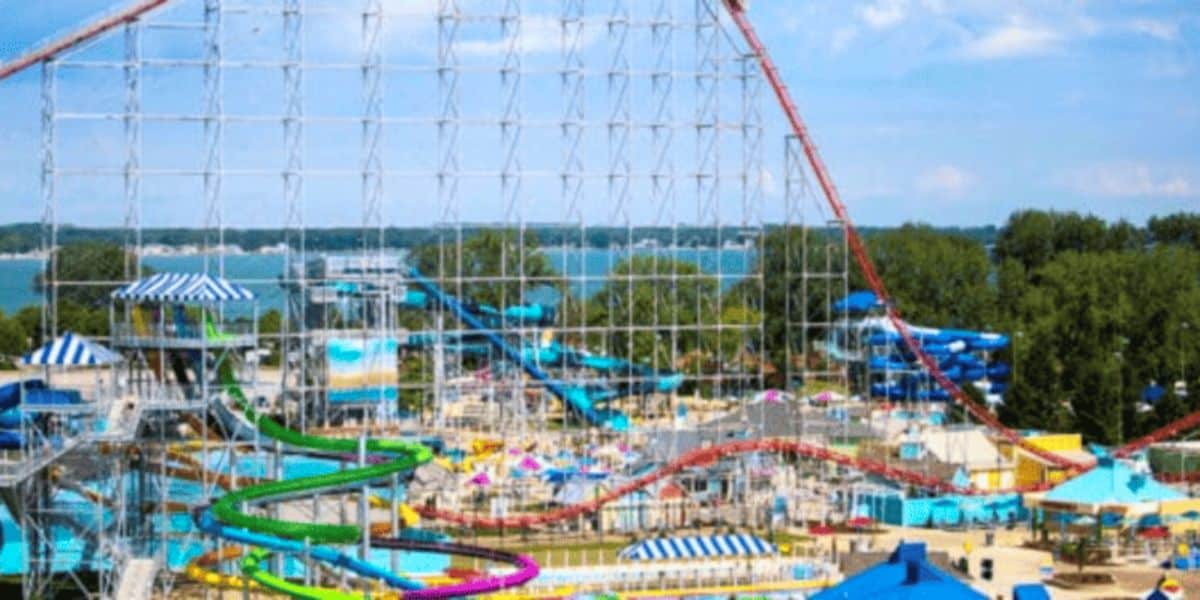
Credit: Cedar Point
Although the law currently emphasizes these two parks, its implications could reach broader audiences across the United States if successful. Other theme parks may feel pressured to adopt similar updates to retain competitiveness, aligning themselves more closely with a guest-centered perspective. Nonetheless, implementing the necessary technological changes could present challenges. Upgrading existing systems to facilitate these real-time communications and effectively training staff in updating guests will likely require significant financial and emotional investment.
Industry Outlook and Future Changes
If the Real-Time Ride Status Notification Act is enacted, it promises to initiate widespread changes across the theme park industry. Other parks could likely follow the lead set by Cedar Point and Kings Island, particularly as expectations for transparency in ride operations rise. Such measures would lead to better communication between parks and patrons, ultimately enriching the theme park experience.

Credit: Cedar Point
The growth of technology capable of monitoring ride statuses could also see a rise. Mobile applications dedicated to tracking and notifying guests about ride downtimes could emerge as valuable tools for visitors. Such advancements are positioned to empower individuals with real-time information, helping them manage their day better and minimize stress.
Changes following the proposed law could shift the perception of theme parks toward greater accountability and guest satisfaction. With accurate, timely updates on ride downtimes, visitors will find it easier to navigate their adventures, reducing frustrations while increasing joy. The focus on transparency reflects a broader industry trend that signals a movement toward prioritizing guest needs in an ever-evolving competitive market.
Overall, the proposed legislation marks a pivotal shift for theme parks, potentially leading to enhanced accountability and improved guest experiences. By ensuring visitors receive timely updates on ride downtimes, parks can better position themselves as guest-centered attractions, poised for success in the future.