 Disney Tips Your Guide To A Great Disney Vacation
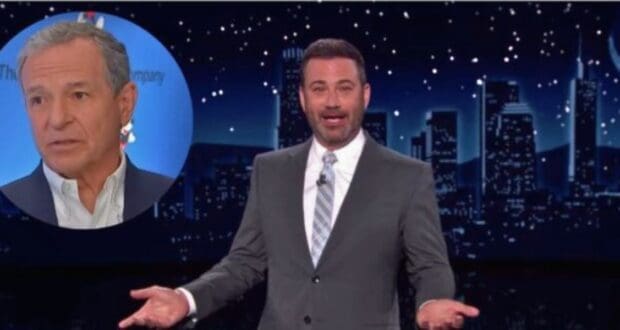
Kimmel’s Show Returns to Airwaves
Jimmy Kimmel’s beloved late-night show, Jimmy Kimmel Live!, is returning to the nationwide airwaves, thanks to a recent deal with Nexstar, the largest broadcast station owner in the United States. The announcement has sparked excitement among viewers, as Kimmel’s show, which had been pulled from several ABC-affiliated stations, will now be accessible again in significant markets.

Nexstar confirmed it would resume airing Jimmy Kimmel Live! on its ABC-affiliated stations, revitalizing the late-night programming landscape. Kimmel’s show had faced suspension due to controversy stemming from his remarks regarding conservative commentator Charlie Kirk and subsequent pressure from FCC Chairman Brendan Carr. This reversal showcases Nexstar’s commitment to local audiences and reflects its dedication to serving community perspectives.
Previously, Kimmel’s show was suspended across major ABC affiliates owned by Nexstar and Sinclair Broadcasting, affecting viewers in key cities like Washington, D.C., Seattle, Nashville, and Portland, Oregon. By reinstating Kimmel’s show, Nexstar restores a popular program and reaffirms its role as a leader in home entertainment and community engagement.
In its statement regarding Kimmel’s reinstatement, Nexstar emphasized its obligation to be stewards of the public airwaves, focusing on the values of the communities it serves. This indication of local prioritization resonated well with audiences, who appreciate diverse viewpoints represented in late-night television.
Origins of the Recent Suspension
The road to Kimmel’s suspension was complex and involved external pressures and internal disagreements.
FCC Chairman Brendan Carr publicly criticized Kimmel, igniting a firestorm that led to Kimmel’s immediate removal from Nexstar’s channels. His comments highlighted an ongoing conversation about the boundaries of late-night comedy and its political implications. Carr’s statements, suggesting that broadcasters should cease airing Kimmel’s show, underscored the influence of regulatory bodies on media content.
Despite public calls for Kimmel’s removal, many Disney and ABC executives held differing opinions, believing that Kimmel’s comments did not warrant such drastic measures. This internal dissent illustrated the complexities of managing programming amid political tensions and audience expectations.
Nevertheless, the pressure from Nexstar and Sinclair ultimately forced a swift action against Kimmel, indicating how corporate decisions often clash with creative freedom.
Kimmel faced backlash after making remarks about Charlie Kirk that some considered inflammatory. The controversy highlighted the precarious balance comedians must navigate in the current socio-political climate, where humor often intersects with polarizing viewpoints. Kimmel’s temporary removal sparked debates about the role of late-night hosts in political discourse and audience reception.
Negotiation Dynamics Post-Suspension
After the suspension, negotiations for Kimmel’s return became pivotal. Sinclair Broadcasting set conditions for Kimmel’s reinstatement, including a network-wide independent ombudsperson at ABC to ensure accountability. Additionally, there were calls for Kimmel to apologize to the Kirk family. These demands highlighted the importance of professional integrity in broadcasting.
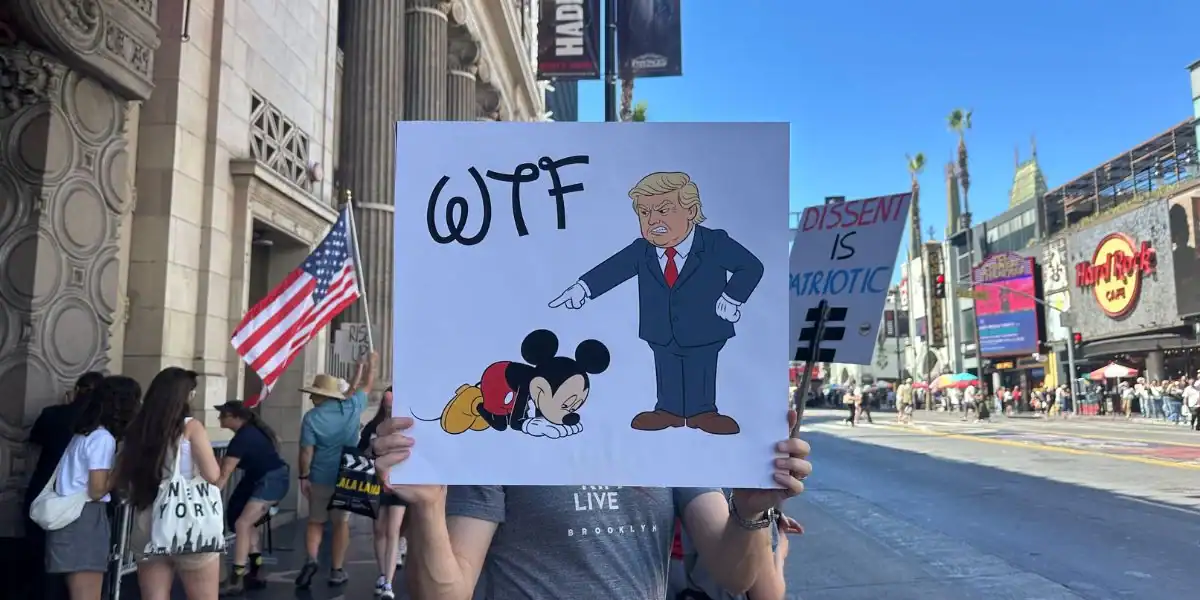
The episode raised essential discussions around accountability within media and how it pertains to broadcast standards. Sinclair’s insistence on a higher level of professionalism reveals a push for greater ethical considerations among broadcasters. Such dialogues are crucial as media landscapes evolve, noting that public trust can be fragile.
Interestingly, Kimmel’s return occurred without a formal agreement with ABC. This ambiguity led many industry observers to speculate about the details of the negotiations and what Nexstar gained by reinstating the host. The lack of clarity leaves room for continued discussions surrounding future agreements and relationships between networks and talent.
Audience Reaction and Industry Impact
The public’s response to Kimmel’s return was overwhelmingly positive, illustrating a strong desire for diverse comedic voices. Fans took to social media platforms, expressing joy and relief at Kimmel’s return. This favorable reception supports the notion that audiences value Kimmel’s unique take on current events and are eager for his commentary during these challenging times.
Kimmel’s reinstatement has also incited a broader conversation about media responsibility and the influence of politics on broadcasting. The tension between entertainment and editorial integrity raises questions about how media houses can maintain authenticity while addressing external pressures.
As late-night television navigates the complexities of public expectations and political scrutiny, Kimmel’s return signals a potential shift in how controversial figures are treated. The event serves as a case study for networks and talents, urging them to consider their responsibilities as they engage with societal issues.
The return of Jimmy Kimmel to nationwide airwaves, facilitated by Nexstar, marks not just a personal victory for Kimmel and his fans but also adds layers to ongoing discussions surrounding media influence, responsibility, and the intricacies of late-night programming in contemporary America.