
 Disney Tips Your Guide To A Great Disney Vacation

Disneyland could have looked very different today if one ambitious project had become reality.
A resurfaced report from SFGATE has brought renewed attention to one of Disney’s biggest “what if” stories: Port Disney, a massive waterfront development planned for Long Beach that would have included DisneySea—a second California theme park years before Disney California Adventure ever existed. But despite Disney’s enormous investment plans, the project ultimately collapsed after facing intense political, environmental, and financial opposition.
Credit: Anna Fox, Flickr
Disney Wanted Something Bigger Than Disneyland
The proposal wasn’t simply for another theme park.
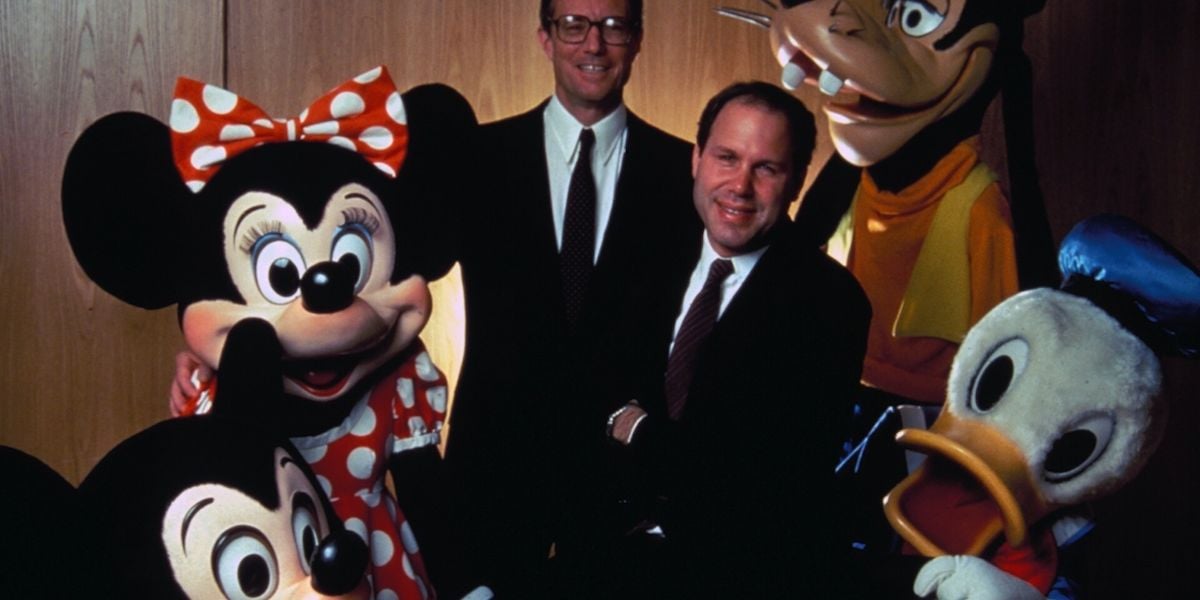
According to the report, then-CEO Michael Eisner envisioned a sprawling $2 billion entertainment complex after Disney acquired Wrather Corp.’s assets, which included the Disneyland Hotel lease, the Queen Mary, and surrounding Long Beach property. The company planned to transform the area into Port Disney, featuring hotels, a marina, cruise facilities, an oceanarium, shopping, dining, and its centerpiece: DisneySea.
Disney projected the development would generate 13 million visitors annually, create thousands of jobs, produce roughly $47 million in tax revenue for Long Beach, and contribute about $3 billion in economic activity across Southern California.
DisneySea Would Have Been Unlike Anything Else
The California version of DisneySea wasn’t just another castle park.
According to promotional materials cited by SFGATE, the park would have been built around “thousands of years of mythic folklore relating to the ocean.”
Plans included an Atlantis-inspired Mysterious Island, Heroes’ Harbor inspired by The Odyssey, historic sailing ships from around the world, and even opportunities for guests to surf, snorkel with tropical fish, and cage dive with sharks in specially designed attractions.
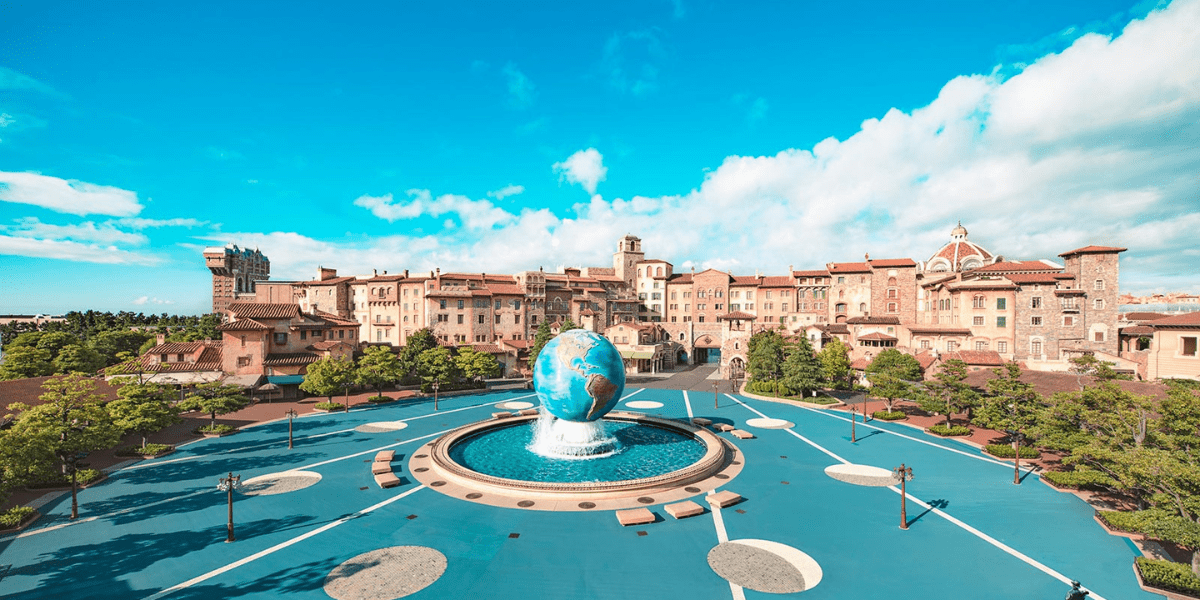
Many longtime Disney fans have since noted that several of these concepts eventually found new life at Tokyo DisneySea, which opened in 2001 and is frequently considered one of Disney’s greatest theme parks.
Credit: Disney
California Didn’t Get On Board
The biggest obstacle wasn’t Disney’s imagination.
It was California.
The report explains that Disney needed Long Beach and the state to approve extensive infrastructure improvements while also allowing development on protected coastal land. That quickly sparked fierce resistance from environmental groups, state lawmakers, and even the Port of Long Beach itself.
One of the largest sticking points came from Disney’s request for nearly $880 million in city-funded infrastructure improvements.
As the Los Angeles Times reported at the time, “Early in negotiations Disney presented the city with a wish list of $880 million in city-financed improvements,” a figure that reportedly caused city negotiators to “give ‘a little gasp.'”
Environmental concerns proved even more difficult to overcome. Because the project required filling portions of the coastline, Disney needed exceptions to California’s coastal protections.
Robert Sulnick of the American Oceans Campaign questioned the proposal, saying, “We don’t want to lose that protection… And to lose it over a theme park?”
State Sen. Henry Mello was even more direct.
“They’re trying to fill ocean waters,” he said. “That’s the biggest sin man can commit on this planet as far as I’m concerned, whether it’s Disney or anybody else.”
Michael Eisner Didn’t Hide His Frustration
After the project unraveled, Michael Eisner openly criticized California’s business climate.
Reflecting on the backlash, he remarked:
“From the reaction we received from some quarters, you might have imagined we were proposing a toxic dump in the middle of Big Sur.”
He added that Disney was trying to succeed “despite a California business climate that has gone from sunny to chilly.”
Former Disney executive David Malmuth later acknowledged the company may have underestimated the environmental opposition.
“No question. If I had to do it over again, I would spend more time with the environmental community,” he said after the project fell apart.
Credit: Disney
The Failure Changed Disney Forever
When Disney officially abandoned Port Disney, attention shifted back to Anaheim.
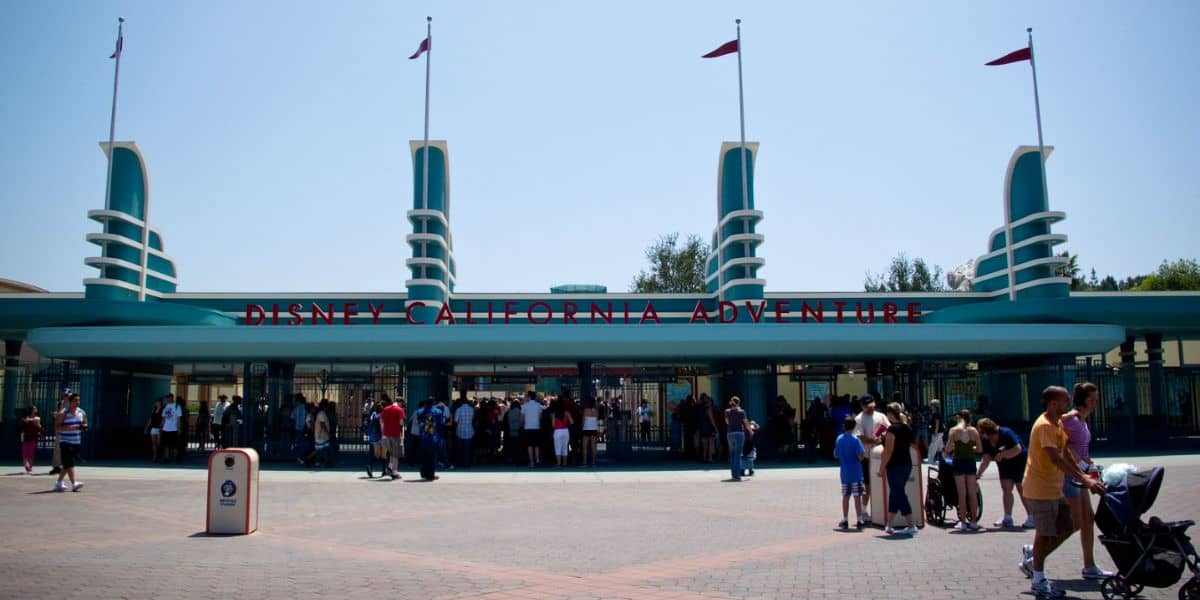
At the time, Disney announced that Anaheim would instead receive WestCOT, an ambitious West Coast version of EPCOT. But reported financial problems surrounding Euro Disney forced the company to dramatically scale back those plans. Instead, Disney eventually built Disney California Adventure, which opened in 2001. Today, Anaheim is still home to the two theme parks and Disney elected to go elsewhere with some of its expansions that would come later.
Ironically, the DisneySea concept wasn’t abandoned altogether.
Many of its ideas were ultimately incorporated into Tokyo DisneySea, which opened the same year as Disney California Adventure. Tokyo DisneySea is home to many iconic, highly immersive attractions, such as Journey to the Center of the Earth inside Mount Prometheus and the breathtaking flight simulator
Soaring: Fantastic Flight. Beyond the rides, guests heavily enjoy exploring the park’s eight uniquely themed ports, indulging in signature flavored popcorns, and catching world-class entertainment like the Big Band Beat live jazz show.
Today, Tokyo DisneySea is widely regarded by many fans as Disney’s finest theme park—a reminder of what California almost had before politics, environmental concerns, and financing brought one of Disney’s boldest expansion plans to an end.
Have you ever heard this story about DisneySea and the original plan for a California location? Let us know in the comments!


I remember hearing about this on the news when the proposal was made to turn the Queen Mary Spruce Goose area into something fantastic as well as my best friend growing up was dating this girl whose father Drew concept art for a lot of upcoming future Disney stuff I have seen concept art for attractions that have never been made but have been proposed to those who get to make the decisions of what attractions they’re going to go with I saw some of the concept art where there is now the new area what it looks like today after Disney sold the property with this project being denied by both the city and state but then came the Pacific aquarium that Long Beach somehow got someone to build instead of Disney doing it. Add on top of that a lot of stuff that they wanted to do at the Long Beach port was done over at Disney sea. And if you haven’t been but you want to see footage there is Theme park Obsession And Provost Park pass On YouTube