 Disney Tips Your Guide To A Great Disney Vacation

For generations, the regional theme park was the “easy win” of the American summer. It didn’t require a cross-country flight or a five-figure savings account. You just packed the car, survived a few hours of “Are we there yet?” and spent the day vibrating with adrenaline on the local mega-coaster.
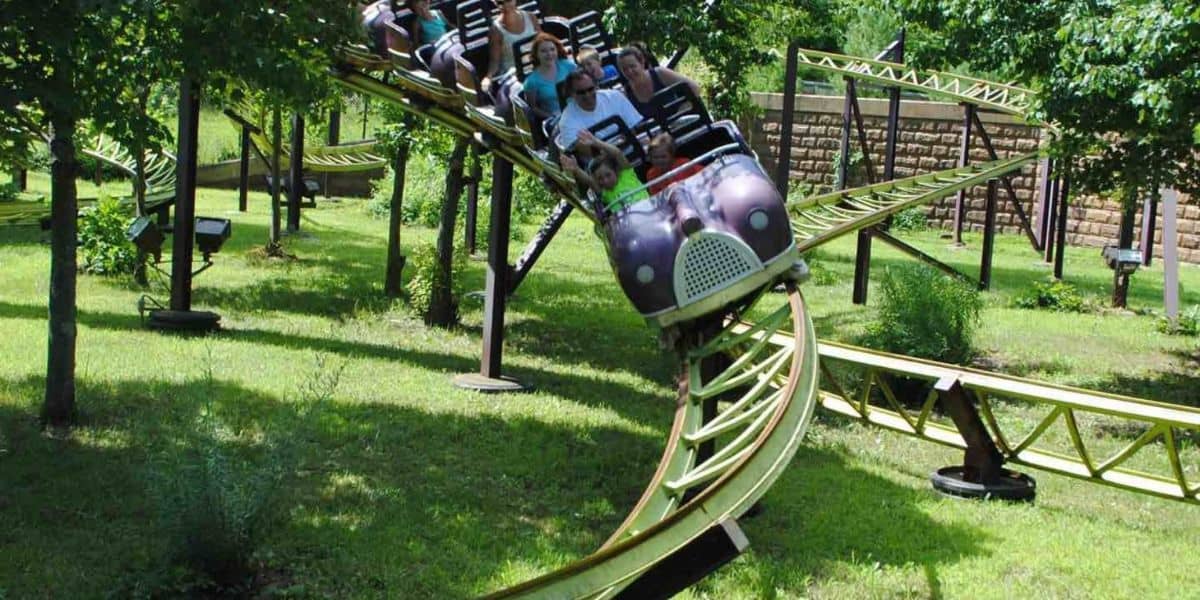
But as we hit the 2026 season, that tradition is staring down a steep drop with no brakes. A perfect storm of astronomical debt, soaring labor costs, and plummeting attendance is pushing America’s local parks to the brink. According to recent reports from Axios and TravelBinger, the industry is currently grappling with a combined $10 billion reckoning that could turn your favorite park into a parking lot.
The Merger Hangover: Six Flags’ $5 Billion Noose
The biggest shockwave hit when Six Flags and Cedar Fair completed their massive merger. While it was pitched as a way to create a “national powerhouse,” the reality is a financial nightmare. The “New Six Flags” is currently tethered to a staggering $5.2 billion debt load.
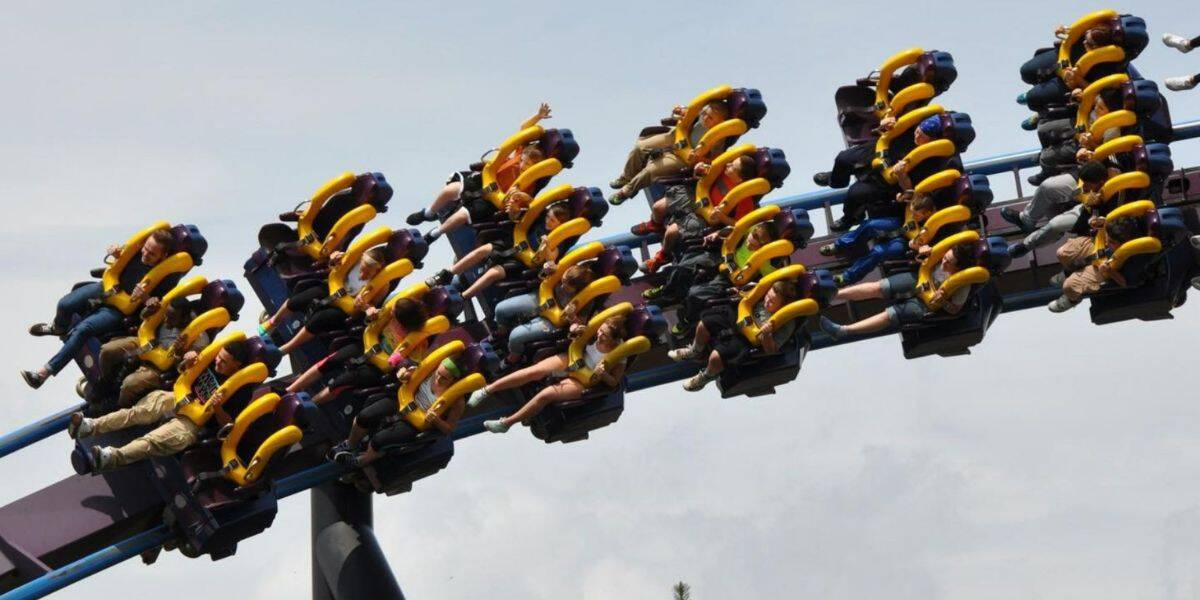
To stay afloat, the company has been forced to refinance its debt at interest rates as high as 8.625%. In an industry where maintenance and safety are non-negotiable expenses, paying “credit card rates” on billions of dollars leaves no money for innovation.
The “Portfolio Optimization” Purge
Six Flags has already begun “optimizing” its portfolio—a corporate term for the Great Regional Sell-Off.
- The “At-Risk” List: Underperforming parks or those sitting on valuable real estate (like Six Flags America and California’s Great America) are being considered assets to be liquidated.
- The Sell Off: Six Flags sold seven of its regional theme parks this week for $331 million
- The Mystery Buyer: A firm called “Enchanted Parks Holdings, LLC” has begun filing trademarks for mid-tier parks. Analysts suggest this is a “managed decline” strategy—stripping the park of its expensive branding and running it into the ground until the land can be sold for warehouses.
The Dollywood Crisis: A $5 Billion Reckoning
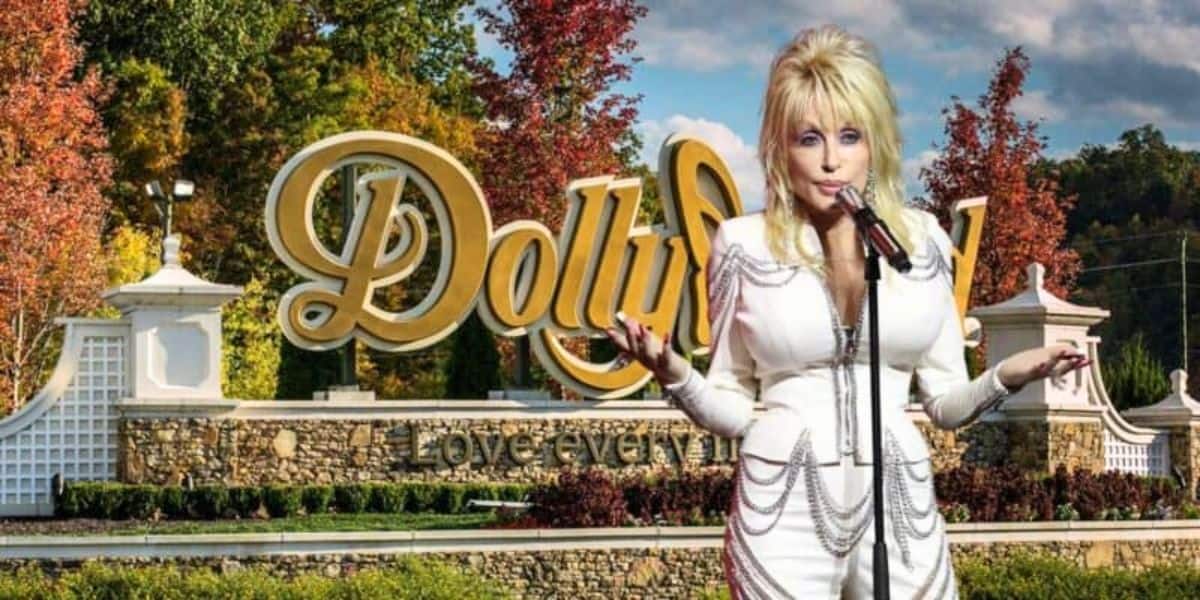
Even the most “wholesome” names in the business are feeling the squeeze. Dollywood, long considered the gold standard for regional value, is navigating its own $5 billion crisis. As reported by TravelBinger, the parent company, Herschend Family Entertainment, is struggling with a “hidden” labor catastrophe.

The denial of thousands of H-2B seasonal visas has left the park dangerously understaffed. When you combine that with a $1.1 billion loan taken out for aggressive expansions, the math stops working. If a park as successful as Dollywood is struggling to keep food stands open and ride lines moving, the smaller regional players don’t stand a chance.
The Attendance Gap: The “Value” is Gone
Why are people staying away? Because the “regional” park has become as expensive as the “destination” park without the “prestige.”
| The Cost Crisis | 2020 Average | 2026 Average |
| Standard Parking | $15 | $45 |
| Burger, Fries, & Soda | $14 | $32 |
| Single-Day Fast Pass | $35 | $115 |
This has created the Disney Paradox: In a tight economy, families are skipping the $500 local trip to save for the one $5,000 Disney “prestige” vacation. The regional park, once the affordable alternative, now feels like an expensive compromise.
Is Your Local Park Safe?
The message for 2026 is clear: The contraction is coming. While “Crown Jewels” like Cedar Point or Magic Mountain have enough gravity to survive, dozens of mid-tier parks are currently operating on borrowed time.
Unless these companies can restructure their debt and lower the barrier to entry for the average family, the era of the local theme park is coming to a permanent “Full Stop.”