 Disney Tips Your Guide To A Great Disney Vacation
Colbert’s Commentary on Kimmel’s Suspension
Stephen Colbert recently weighed in on the suspension of fellow late-night host Jimmy Kimmel, expressing strong solidarity with him during a difficult time. Kimmel’s abrupt removal from the air following remarks about conservative commentator Charlie Kirk sparked significant fallout. Colbert’s response highlighted the contentious relationship between artistic expression and corporate decision-making. He criticized Disney’s approach to Kimmel’s comments, noting that their actions represent a troubling trend in the entertainment industry.
Colbert’s monologue struck a chord with many viewers, reflecting their anger and confusion over the swift action taken against Kimmel. The overwhelming audience response was favorable, indicating a shared concern regarding the implications of such corporate censorship—those tuning in recognized Colbert’s seasoned perspective on navigating the challenges of comedic expression under scrutiny.
Significance of Colbert’s Parody
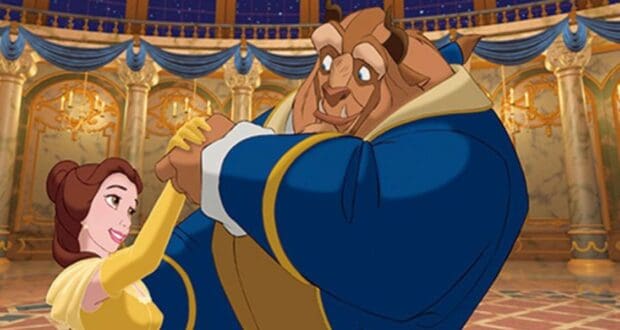
Colbert effectively expresses his points in a notable monologue section by parodying Disney’s classic movie Beauty and the Beast. He introduced a character reminiscent of Lumiere, adorned with a MAGA hat, instructing Disney employees to “shut their trap.” This bold satire was not merely for comedic effect; it served as a commentary on the consequences corporate entities face when they prioritize profits over freedom of speech.
The inclusion of Beauty and the Beast lent an artistic weight to his remarks, allowing the audience to engage with humor and critical thought. The parody quickly gained traction, amassing nearly half a million views within hours of its release on YouTube. Viewer reactions prominently included supportive comments directed at both Colbert and Kimmel, underscoring a desire for stronger accountability from Disney.
Disney’s Corporate Ethics Under Fire
The fallout from Kimmel’s suspension has seriously questioned Disney’s corporate ethics. Critics argue that the company prioritizes profits over principles, especially considering the possible repercussions from conservative factions. The decision to suspend Kimmel raises questions about how financial motivations shape programming choices and how this impacts artistic freedoms for creators like Colbert and Kimmel.

The stakes are high for Disney as it navigates a complex corporate landscape, which could alienate its progressive audience while attempting to placate conservative backlash. This predicament suggests a broader concern regarding the balance between corporate interests and the inherent rights of artists to express themselves freely. Public sentiment appears to be shifting, with many viewers expressing dissatisfaction toward Disney’s handling of the situation.
Future of Late-Night Television
As discussions about Kimmel’s potential return ensue, the landscape of late-night television is under close watch. Insiders speculate that negotiations between Kimmel and Disney may soon lead to a resolution, although uncertainty looms regarding the outcome. Colbert’s remarks on comedian freedoms signal a potential shift within late-night programming, emphasizing the importance of artistic independence.

The ongoing discourse surrounding free speech within entertainment continues to influence how networks and studios approach their programming policies. Colbert and Kimmel symbolize a broader movement advocating comedians’ rights to voice their opinions without the fear of corporate retaliation. As this unfolding situation captivates audiences, it remains to be seen how much these events will reshape the future of late-night comedy and the industry’s stance on artistic expression.