 Disney Tips Your Guide To A Great Disney Vacation
Agreement Finally Reached Between Disney and YouTube TV
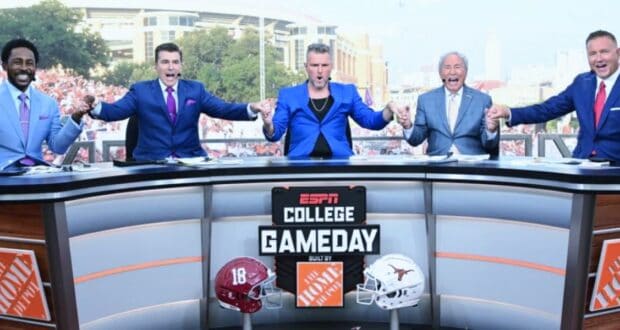
After extensive negotiations, Disney and YouTube TV have successfully reached a multi-year agreement, ending a prolonged standoff that lasted longer than any previous conflict in Disney’s history. This agreement has significant implications for YouTube TV’s ten million subscribers, who had been unable to access Disney’s channels for an extended period. The resolution comes at a crucial time, allowing fans to enjoy sports programming just as the college football season kicks off.

Before the agreement, many subscribers found themselves without essential programming, leading to widespread dissatisfaction. Users were particularly concerned about missing key sports events, including college football games, which are a significant draw for YouTube TV viewers. With the negotiations concluded, millions of subscribers can breathe a sigh of relief as they regain access to their favorite Disney content.
The timing of the agreement was strategic, aligning perfectly with the start of the college football season. The return of Disney channels allows fans to catch games they had been deprived of during the blackout. This return not only restores viewers’ programming options but also underscores the importance of timely negotiations in the sports broadcasting landscape.
Financial Impact of the Blackout Period
The financial ramifications of the standoff were significant for Disney. Estimates indicated that the company lost approximately $30 million per week due to the absence of its channels on YouTube TV. This substantial loss underscores both the stakes involved in the negotiation and the significant impact of losing access to such a large audience.

Following the conclusion of the dispute and amid ongoing discussions about its financial health, Disney announced a 16% decline in its linear network revenue year-over-year and a robust 21% drop in operating income. The response from the market was swift, with Disney’s stock price falling 7.8% shortly thereafter, a clear indication of investor concerns surrounding its performance amidst rising competition.
Interestingly, the terms of the new agreement with YouTube TV are believed to align closely with those in Disney’s previous deal with Charter Communications. That arrangement allowed Charter subscribers to access Disney+, Hulu, and ESPN+ without additional charges, a model that is now likely to be mirrored for YouTube TV subscribers. This consistency could play a vital role in subscriber retention across platforms.
Enhanced Viewing Experience for Users
The recent agreement promises an enhanced viewing experience by integrating Disney+, Hulu, and ESPN+ directly on the YouTube platform. This integration is expected to streamline the user interface, making it easier for subscribers to navigate content and providing them with a broader range of viewing options.

In the aftermath of the agreement, subscriber sentiment appears largely positive. Many users have expressed joy at regaining access to popular sports events and Disney programming, which have long been staples of entertainment viewing for families. Restoring such content is likely to have significant effects on user satisfaction and retention moving forward.
Looking ahead, discussions surrounding the potential expansion of Disney’s channel offerings on YouTube TV suggest an optimistic view for future interactions. As subscribers re-engage with their favorite shows and live sports, there is potential for increased content variety, which could further enhance user satisfaction in the long run.
Broader Industry Implications
The resolution of this dispute may signal a noteworthy shift in the media landscape. As competition among streaming services intensifies, experts predict a trend towards more collaborative negotiations. Companies now seem to recognize that retaining audiences and providing access to preferred content is crucial to their success.

The recent developments highlight the critical role that live sports play in subscriber retention. Companies must be vigilant about maintaining access to popular programming, particularly sporting events that draw large audiences. This situation serves as a reminder that strategic planning and negotiation can have a significant impact on subscriber decisions in the competitive streaming market.
The successful resolution between Disney and YouTube TV not only benefits the parties involved but also potentially sets a positive precedent for future contracts in the industry. As companies face challenges within a changing media landscape, this agreement demonstrates that collaboration could emerge as a favored approach, focusing on shared goals of audience engagement and content access.
By restoring necessary programming during a critical season for sports, Disney and YouTube TV have shown that, despite challenges, both can find common ground for the benefit of their subscribers.