 Disney Tips Your Guide To A Great Disney Vacation
Call for Investigation into Disney’s Practices
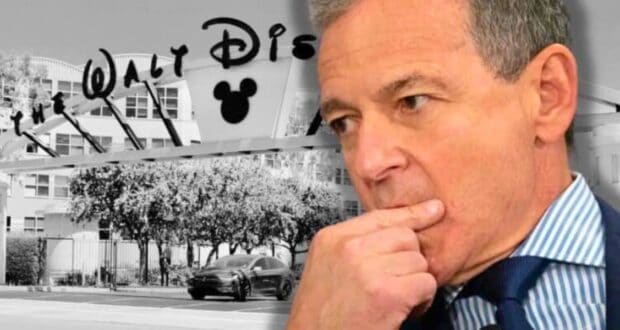
Sinclair Broadcasting’s CEO, Chris Ripley, is urging the Trump Administration to investigate The Walt Disney Company’s business practices, citing significant concerns about potential antitrust violations. Ripley has formally requested that the Federal Communications Commission (FCC) and the Department of Justice (DOJ) investigate Disney’s recent actions, specifically regarding its negotiation tactics that have reportedly put local broadcasters at a disadvantage. He claims that these practices undermine local broadcasters’ rights and restrict their control over content distribution.

Ripley emphasized that local broadcasters, including Sinclair, find themselves with diminished negotiation power as larger corporations like Disney dominate market dynamics. The request for regulatory scrutiny underscores growing frustrations within the broadcasting community about the need for more equitable content distribution practices. As Ripley stated, local broadcasters are increasingly feeling powerless in determining whether the content they air reaches local viewers.
Impact of YouTube TV Channel Blackout
The ongoing dispute between Disney and YouTube TV has left around 10 million subscribers without access to crucial Disney-owned channels. This blackout has caused significant disruptions, particularly affecting sports viewership, which is vital for advertisers and networks alike. Estimates indicate that Sinclair, which partners with major sports events, is experiencing substantial losses in viewership and revenue during this period.
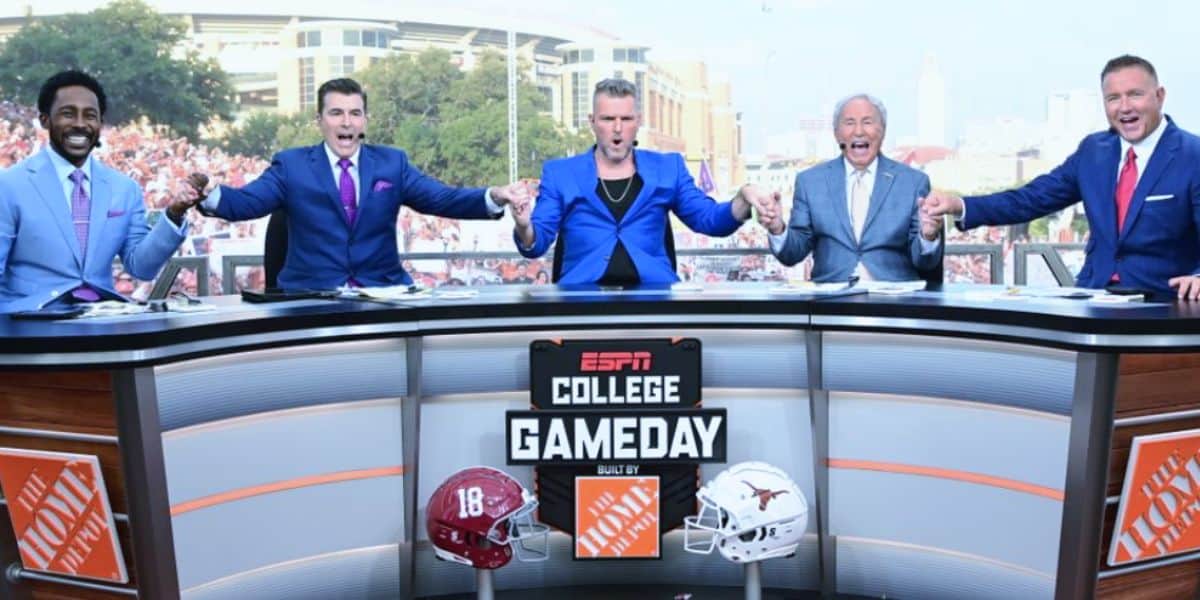
The financial ramifications for Disney are also noteworthy. With the negotiation stalemate, the company is reportedly losing approximately $5 million each day. Events like college football games have seen dramatic declines in viewership. For instance, ESPN’s College Gameday lost approximately 2.5 million viewers during the blackout, a clear indicator of how critical this issue is for both broadcasters and advertisers.
Background of Sinclair-Disney Disputes
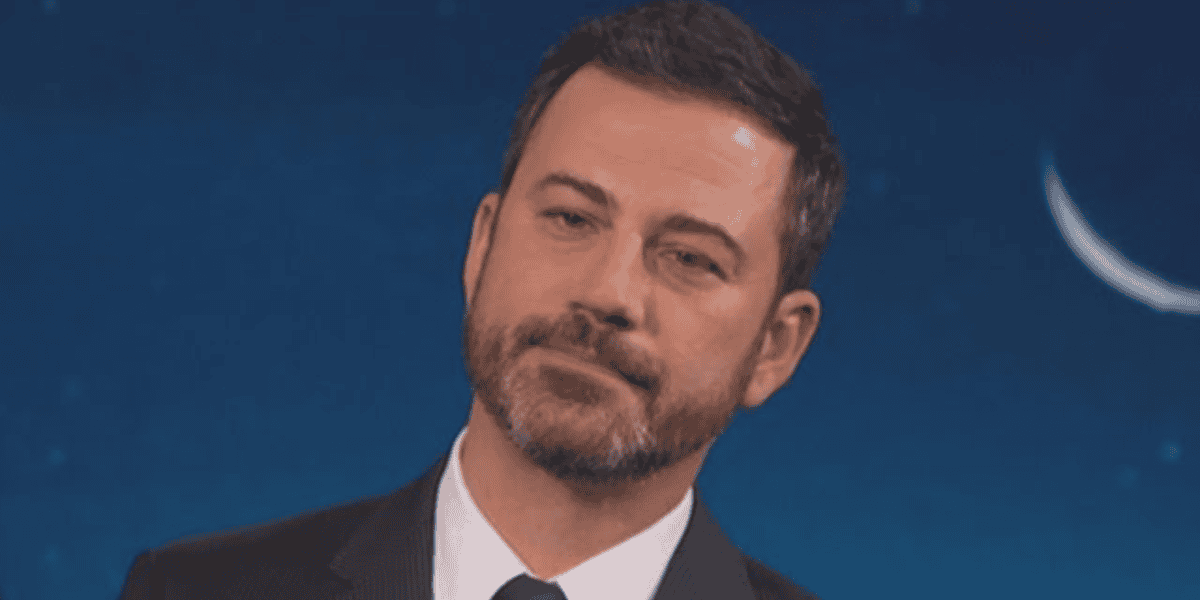
Tensions between Sinclair Broadcasting and Disney are not a new development. A recent conflict over the late-night show hosted by Jimmy Kimmel highlighted the fraught relationship between the two entities. Sinclair temporarily removed Kimmel’s show from its ABC affiliates, only agreeing to reinstate it after receiving assurances from Disney regarding professional accountability. This incident exemplifies the ongoing struggles that local broadcasters face when navigating the whims of larger media corporations.
Sinclair, as the largest owner of ABC affiliates in the United States, holds significant sway in many local markets. However, it often finds itself at odds with Disney’s extensive content portfolio. The current dispute, arising from differing interests in the YouTube TV negotiations, underscores how power dynamics in the media landscape can shift rapidly, impacting local broadcasters’ ability to operate effectively.
Future Implications for the Broadcast Industry
The potential fallout from Sinclair’s call for regulatory investigation could significantly reshape the broadcast industry. If the FCC and DOJ respond to Ripley’s request, changes may be on the horizon regarding how media relationships are regulated and governed. The conflict between Disney and YouTube TV marks a pivotal moment, highlighting critical issues regarding content accessibility, consumer choices, and corporate negotiation power.

As the industry continues to evolve, particularly in the face of rapidly expanding digital platforms, the stakes are high for traditional broadcasters. The Sinclair-Disney feud highlights the importance of equal negotiating power and control over media content. The outcomes of any regulatory inquiries into this matter may determine how future media relationships are formed and sustained, ultimately influencing the landscape of broadcast television for years to come.