 Disney Tips Your Guide To A Great Disney Vacation
Shift in Design Philosophy
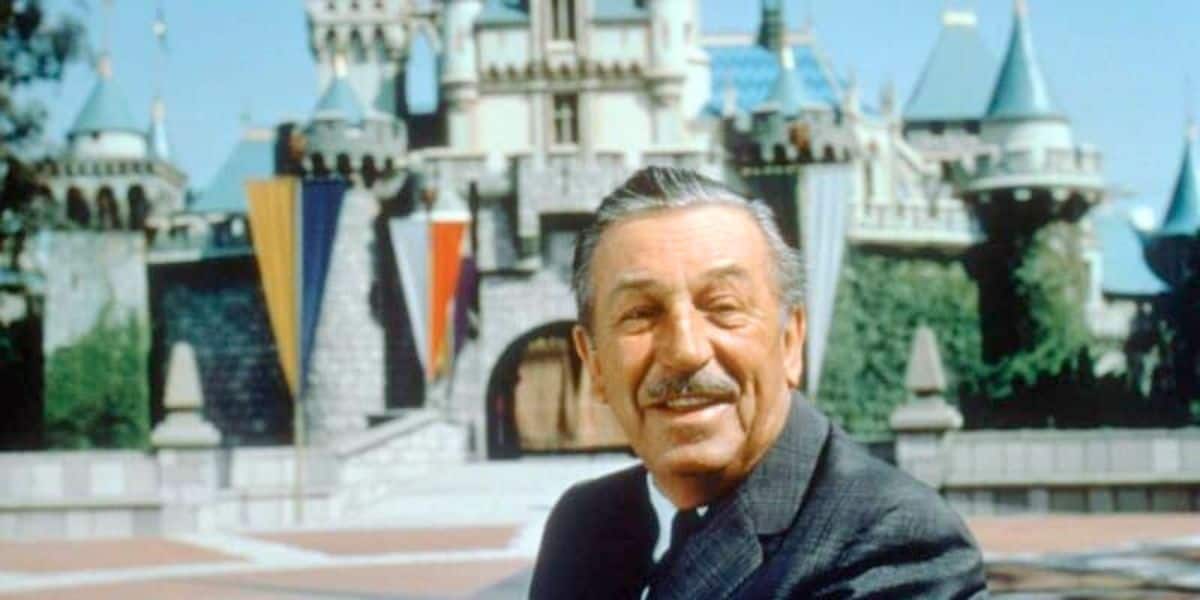
Disney parks have undergone a notable shift in their design philosophy, moving away from a traditional emphasis on storytelling to prioritize visual appeal. Disney Imagineer Michel Den Dulk recently articulated this evolution, highlighting the increased significance of creating “Instagrammable” spaces within the parks. He noted that the new generation of Imagineers, driven by trends and the desire for social media engagement, is at the forefront of this transformation. This marks a significant departure from the immersive storytelling that characterized Walt Disney’s original vision for the parks.
Den Dulk noted that the emphasis on crafting visually stunning attractions has become a central part of the design process. The aim is to create photogenic spots that resonate well on social media platforms, suggesting that the parks are increasingly tailored to meet the expectations of a modern audience obsessed with shareable content. This shift raises essential questions about whether the parks can maintain their core identity in the face of evolving expectations.
Social Media’s Increasing Influence
As social media continues to grow in influence, it has permeated the very fabric of theme park design. Attractions are now being designed with social media engagement in mind, reflecting the growing trend where visitors seek out experiences that they can showcase online. Den Dulk’s insights point to a reality where providing shareable photo opportunities takes precedence over developing cohesive narratives.
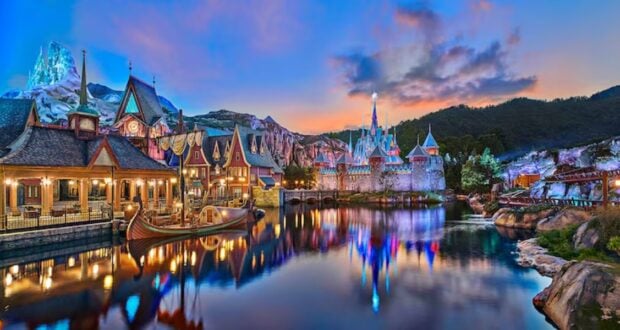
The recent expansion of Disney Adventure World exemplifies this trend. The park’s design lacks a unified narrative, focusing instead on creating recognizable settings and characters that cater to mass appeal. The aim, as Den Dulk highlighted, is to ensure guests leave with memorable photos suited for their social media feeds—underscoring how deeply entwined social media culture has become with the visitor experience.
Impact of Intellectual Property (IP)
The use of popular Disney intellectual property (IP) has also undergone a transformation with this shift in focus. Den Dulk pointed out that Imagineers are now closely monitoring the popularity of Disney films and franchises, using data-driven insights from services like Disney+ to inform their decisions on what attractions to create. This reliance on popular characters and franchises is a stark departure from the more intricate storytelling that defined Disney rides in the past.
These data-informed decisions lead to attractions dominated by recognizable characters rather than lush, immersive narratives. The priority placed on IP means that the designs often aim for instant recognition, sacrificing deeper engagement for the immediate gratification of social media visibility. The shift raises questions about the future of theme park attractions and whether they can strike a balance between brand representation and substantive storytelling.
Community Reactions to Changes
The evolving design philosophy has sparked mixed reactions among Disney fans and the broader community. While some embrace the new direction, others express concern over the diminishing narrative depth of newer attractions. Critics argue that the shift towards “Instagrammable” designs detracts from the immersive environments that Walt Disney envisioned. The fear is that the essence of Disney magic is being overshadowed by visual appeal and social media trends.
Many fans are advocating for a balance between modern design approaches and the rich storytelling that historically characterized Disney parks. They are hopeful that Disney Imagineers like Den Dulk will prioritize not just the aesthetics that fit well in social media posts but also the immersive, magical experiences that create lasting memories for families. As the industry adapts, finding a harmony between contemporary audience demands and traditional storytelling may define the future of Disney parks.