When Walt Disney World and Disneyland permanently replaced Splash Mountain with Tiana’s Bayou Adventure in 2024, corporate executives in Burbank breathed a sigh of relief. The company hoped that transitioning away from a ride rooted in a deeply problematic film would mark the graceful conclusion of a decades-long controversy. However, the internet has a funny way of keeping the past alive, and a viral social media photo proves that a vocal slice of the fanbase is completely trapped in the briar patch.
Credit: Disney
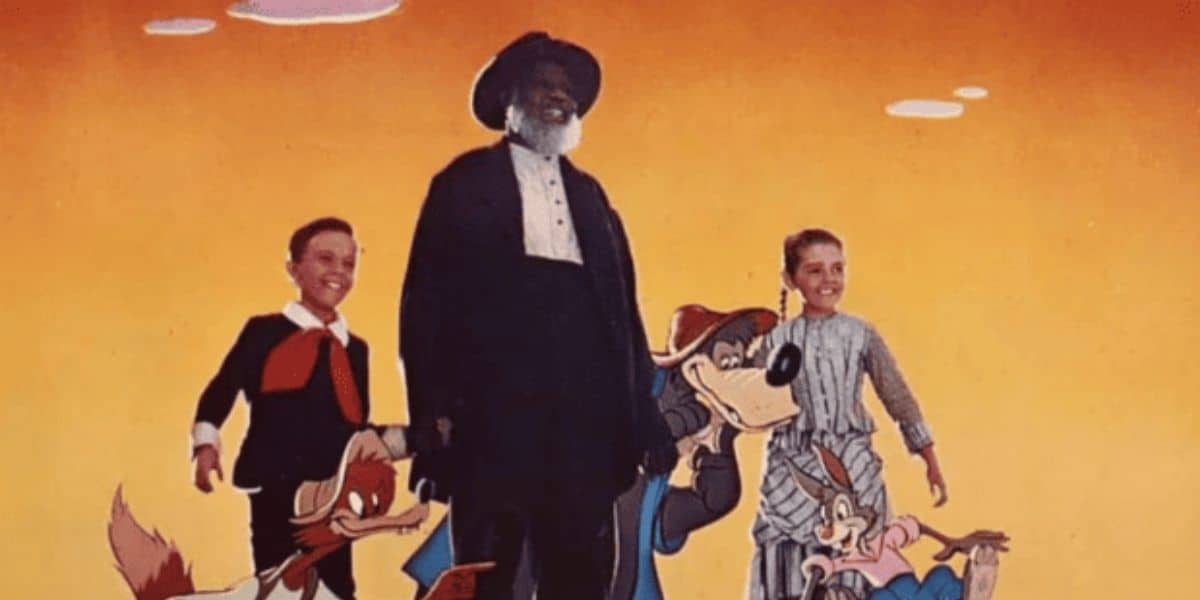
The latest online meltdown erupted when theme park commentator Jordan A. Hill shared a photo on X (formerly Twitter) of a mysterious, highly detailed enamel pin—the collectible featured characters from Disney’s long-embargoed 1946 film Song of the South. Almost immediately, Disney Twitter went into a tailspin. Fans fiercely debated whether Disney had quietly rolled back its strict corporate embargo on the property to cash in on nostalgia, or if a rogue employee had leaked a forbidden vault souvenir.
But before the conspiracy theories could completely take over the timeline, the truth came to light: the controversial pin is an absolute fake. Discovered inside a local antique mall, the item is an unauthorized bootleg. Yet, the chaos its discovery unleashed exposes a fascinating look into a fandom that simply refuses to let the old ride go.
The Wild West of Antique Mall “Fantasy Pins”
To a casual observer, the pin s@JordanAHill showcasedlooked shockingly official. It possessed the vibrant colors, crisp lines, and heavy metal weight of authentic Disney park merchandise. However, experienced collectors quickly identified it as a “fantasy pin”—the industry term for custom, fan-made collectibles created entirely without Disney’s legal authorization.
Multi-vendor antique malls have rapidly become the unregulated epicenter for these types of gray-market items. Because individual booths are rented to independent sellers on consignment, mall management rarely verifies the authenticity of copyrights or intellectual property rights.
When Disney completely scrubbed Br’er Rabbit, Br’er Fox, and Br’er Bear from its store shelves, it created an intentional retail vacuum. Third-party bootleggers immediately stepped into that space, manufacturing custom products to sell to displaced fans eager for any physical piece of the defunct attraction.
The Psychology of a Divided Fandom
The intense emotional reaction to a piece of fake antique mall merchandise reveals a deeper psychological truth about the ongoing Splash Mountain culture war. For a highly vocal contingent of the fanbase, the ride’s closure wasn’t just the loss of a favorite log flume; it was treated as an ideological battlefield.
Historians have long condemned Song of the South for its romanticized, harmful depiction of plantation-era tropes in the post-Civil War American South. While Disney has rightfully locked the movie away from streaming and home media, “Splash Mountain preservationists” actively scan the internet for any sign of corporate validation. When the image of this bootleg pin dropped, it acted like an immediate Rorschach test for the community:
The Fandom Divide:
Preservationists saw a “forbidden” treasure, celebrating it as proof that the characters still have a place in modern culture.
Critics saw an offensive relic, questioning why harmful racial stereotypes were still being circulated in public spaces.
Credit: Disney
The Final Verdict
Ultimately, the digital skirmish sparked by Jordan A. Hill’s post is a stark reminder that physical renovations cannot instantly alter human psychology. Disney successfully remodeled its theme park geography, but as long as independent manufacturers can press metal and hawk bootlegs in local antique booths, the ghosts of Splash Mountain will continue to haunt the internet. The pin itself may be a total fake, but the bitter, ongoing cultural divide it uncovered is entirely real.
Rick is an avid Disney fan. He first went to Disney World in 1986 with his parents and has been hooked ever since. Rick is married to another Disney fan and is in the process of turning his two children into fans as well. When he is not creating new Disney adventures, he loves to watch the New York Yankees and hang out with his dog, Buster. In the fall, you will catch him cheering for his beloved NY Giants.
Still don’t understand the controversy. He wasn’t a slave. He wasn’t mistreated. He was a role model.
So what’s the problem? You gonna get rid of Gone With the Wind next?

 Disney Tips Your Guide To A Great Disney Vacation




Still don’t understand the controversy. He wasn’t a slave. He wasn’t mistreated. He was a role model.
So what’s the problem? You gonna get rid of Gone With the Wind next?