 Disney Tips Your Guide To A Great Disney Vacation

For millions of families, the “Disney Bubble” represents an unspoken promise of safety—a sanctuary where the worries of the world vanish behind the purple-and-gold gates. However, a horrific tragedy on the immediate outskirts of the resort has shattered that illusion. On January 17, 2026, a random act of violence in a neighborhood popular with Disney vacationers claimed the lives of three men, exposing a catastrophic “system failure” in Florida’s legal and mental health oversight.

As the community seeks answers, the focus has shifted to the suspect, Ahmad Jihad Bojeh, and how a man with a violent criminal history was allowed to remain unmonitored in a high-density tourism corridor.
A Random Tragedy in a Vacationer’s Haven
The incident occurred in the Indian Point subdivision, a quiet residential pocket just eight miles from the gates of Walt Disney World. The area is a hub for short-term vacation rentals, where thousands of families stay every week to enjoy a “home away from home” experience while visiting the parks.

The victims—Robert Lewis Kraft (70), Douglas Joseph Kraft (68), and James John Puchan (69)—were visitors from Ohio and Michigan who had traveled to Central Florida for a car show. In a heartbreaking twist of fate, car trouble had delayed their departure by a single day. While they sat outside their rental home on Indian Point Circle, authorities say Ahmad Bojeh, 29, walked out of his residence next door and opened fire in an unprovoked massacre.
There was no robbery, no prior conflict, and no warning. The men were targeted simply because they were there, highlighting a terrifying vulnerability for tourists staying in off-property accommodations.
The Suspect: A Known Threat with a “Lethal Lapse”
The most alarming aspect of the case is that the state was well aware of the danger Bojeh posed. In 2021, Bojeh was arrested for a random shooting at a local Wawa gas station. In 2022, he was acquitted of attempted murder by reason of insanity. Rather than being committed to a secure facility, he was placed on “conditional release,” allowed to live at home under the strict mandate that he remain compliant with psychiatric treatment.
State Attorney Monique Worrell has since identified the specific “system failure” that led to this week’s bloodshed. Bojeh was required to receive treatment through Park Place Behavioral Health, but a massive spike in medication costs—reportedly jumping from $7 to over $150 per month—served as a financial barrier that caused him to stop his treatment.
More critically, the private treatment facility allegedly failed to report Bojeh’s non-compliance to the court. Under his release order, a single missed appointment should have triggered an immediate notification to a judge. Instead, Bojeh remained untreated and unmonitored for weeks in a neighborhood filled with unsuspecting tourists.
The Impact on the Disney World Travel Market
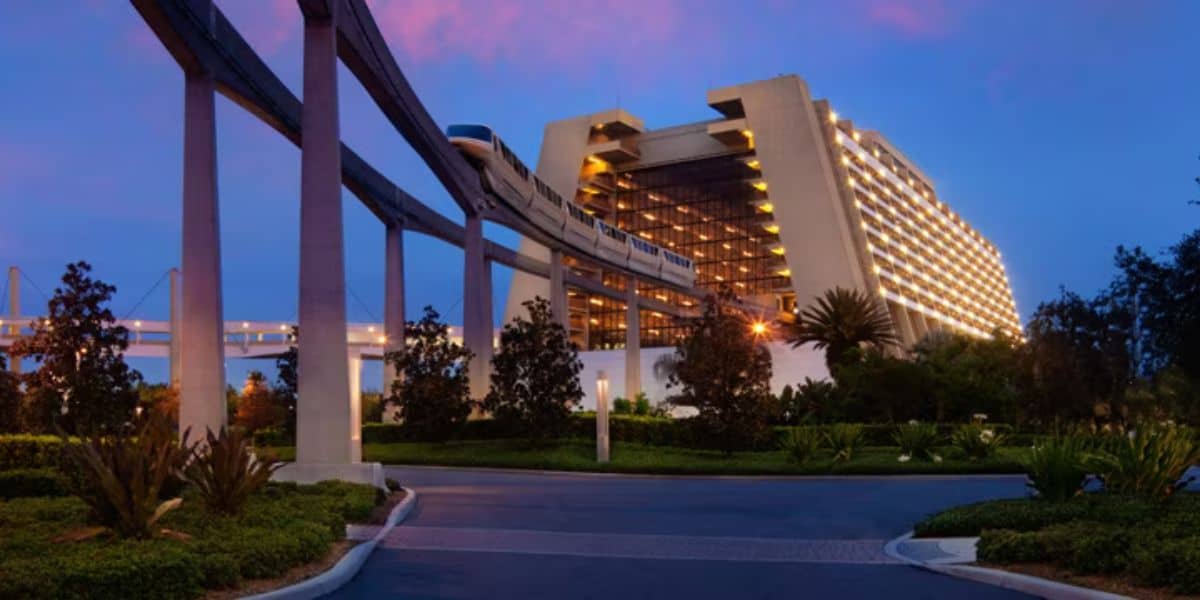
The proximity of this shooting to Disney property has ignited a debate over the safety of the “outskirts.” Unlike the gated, 24-hour security of Disney-owned resorts like Disney’s Contemporary Resort or Disney’s Animal Kingdom Lodge, neighborhoods like Indian Point are open-access.
For the $30 billion Central Florida tourism industry, this is a reputational crisis. The “random” nature of the attack suggests that the safety protocols travelers expect are not guaranteed once they step outside the official resort boundaries.
What this means for 2026 travelers:
- A Shift in Lodging: Experts anticipate a “security premium,” where families may opt for higher-priced Disney-owned hotels over vacation rentals for the perceived safety of a gated environment.
- Calls for Reform: There is growing pressure on local officials to mandate stricter safety disclosures or background checks for permanent residents living in high-density tourist zones.
Conclusion: A Preventable Crime
Ahmad Bojeh is currently held without bond, but for the families of the victims, the arrest comes too late. The tragedy near Disney World serves as a grim reminder that a breakdown in the medical and legal “safety net” has real-world, lethal consequences. As Florida lawmakers look toward the 2026 session, the demand for accountability is loud: the magic of the parks cannot survive if the safety of the surrounding streets crumbles.