 Disney Tips Your Guide To A Great Disney Vacation

It is now May 2026, and the landscape of Central Florida tourism has fundamentally shifted. Universal’s Epic Universe has been open for a full year, drawing massive crowds to its portals and proving that the “destination” market is hungrier than ever for brand-new, large-scale experiences. Yet, as tourists flock to Orlando’s newest shining city, a glaring question remains: Where is Disney’s response?
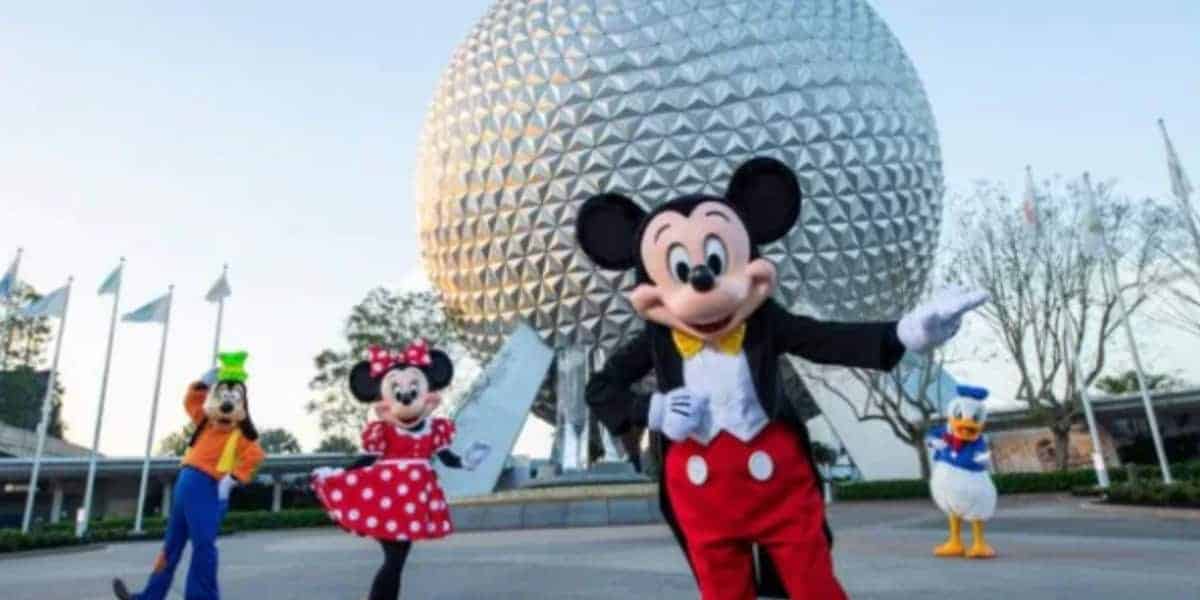
While Disney has finally broken ground on major internal expansions like the “Beyond Big Thunder” project, the long-rumored Fifth Gate remains a phantom. A deep-dive investigation into nearly 700 pages of unsealed court records from the DeSantis-Disney legal saga suggests that this isn’t an accident. The “Fifth Park” wasn’t just a victim of timing—it was a casualty of a corporate “chilling effect” that turned the House of Mouse from a dreamer into a defendant.
The “Uncertainty” Clause
According to depositions revealed in a landmark Florida Politics report, Disney’s leadership wasn’t just annoyed by Governor Ron DeSantis; they were strategically paralyzed. In sworn testimony, Disney Master Planning executive Todd Rimmer and Chief Counsel John McGowan described a company that had lost its most valuable asset: certainty.
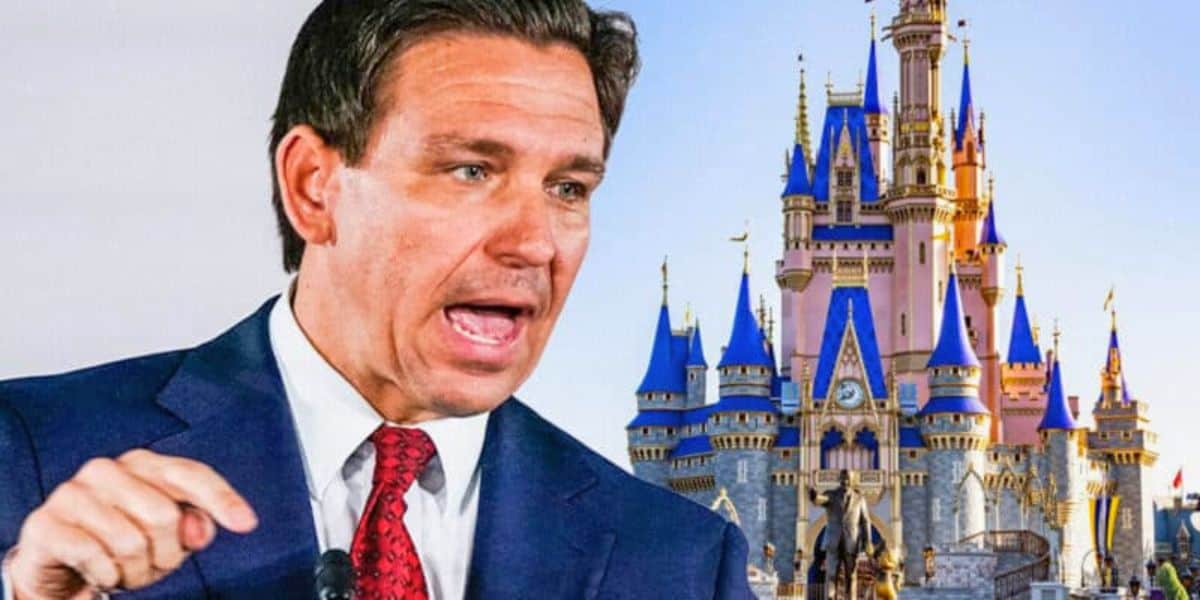
Rimmer noted that a project the size of a fifth theme park requires a “multi-decade commitment” to infrastructure and zoning, and that when the state replaced the Disney-controlled board with a hand-picked political body, long-term stability evaporated.
“The uncertainty of what a new board might choose to do… gave the company uncertainty in whether they could proceed with development in a timely fashion,” Rimmer admitted.
In the boardroom, “uncertainty” is a deal-killer. While Universal was pouring billions into the construction of Epic Universe throughout 2023 and 2024, Disney’s capital was effectively frozen by political risk.
A Secret “Caper” to Save the Future
The investigation highlights a move the state’s lawyers dubbed the “caper.” Disney secretly hired Holtzman Vogel, a law firm with close ties to the DeSantis administration, to craft the now-infamous “King Charles Clause.” This legal maneuver was a desperate attempt to lock in development rights for the next 30 years—including the theoretical right to build a fifth park—before the Governor’s new board could seize control of the district.

But while this “caper” protected the legal right to build, it couldn’t protect the creative will. The unsealed documents show that while the public was debating culture wars, Disney’s brain trust was preoccupied with defensive litigation. The “Fifth Gate” remained a “Blue Sky” rumor because Disney could not justify a $10 billion investment in a state where the executive branch was actively threatening to build prisons or rival developments on its doorstep.
The $17 Billion Peace Treaty: Too Little, Too Late?
The 2024 settlement between Disney and the Central Florida Tourism Oversight District (CFTOD) finally restored peace, with Disney pledging $17 billion in investment over the next 20 years. This agreement officially authorizes a fifth park, but the “Lost Years” of the feud (2022–2024) mean Disney missed the window to counter Universal’s newest gate.

As we look at Disney World in 2026, the strategy has clearly shifted:
- Safe Bets: Rapid expansion of existing lands (Magic Kingdom/Animal Kingdom).
- Infrastructure Fixes: Catching up on roadwork delayed by district infighting.
- Wait-and-See: Monitoring the impact of Epic Universe before committing to a fifth gate.
The Fifth Gate remains a ghost of a possibility—a project that the DeSantis feud likely pushed further into the future. For Disney fans, the lesson of the last four years is clear: Magic requires more than just pixie dust; it requires a political climate where the state doesn’t treat its largest economic engine like an enemy.

Given that the current 20-year agreement explicitly allows for a fifth park, do you think Disney is waiting for a specific technological breakthrough or a more favorable political shift before finally announcing it?