
 Disney Tips Your Guide To A Great Disney Vacation

The old theme park playbook for driving attendance spikes used to be simple: bring out the wrecking ball. For decades, operators relied on flattening old attractions and spending hundreds of millions of dollars to build shiny new rides from scratch. But in today’s economic climate, building a ground-up mega-attraction is an unsustainable financial gamble.

Instead, The Walt Disney Company has quietly mastered a brilliant corporate pivot: the high-value attraction refresh. By preserving existing structural foundations while modernizing ride systems, technology, and narratives, Disney creates the illusion of an entirely “new” attraction for a fraction of the cost. With this asset-recycling blueprint now fully established across the domestic parks, industry insiders and design professionals agree it is time for Walt Disney Imagineering to apply this exact framework to EPCOT’s two most critical legacy landmarks: Journey Into Imagination with Figment and Spaceship Earth.
Rescuing the Imagination Pavilion Without a Wrecking Ball
No attraction in the entire Disney portfolio demonstrates a more urgent need for a technical and creative rescue than Journey Into Imagination with Figment. The current version, which debuted in 2002 as a hasty fix to a universally disliked 1999 rewrite, has long been criticized for its dated, low-tech sight gags and sterile “sensory lab” storyline.
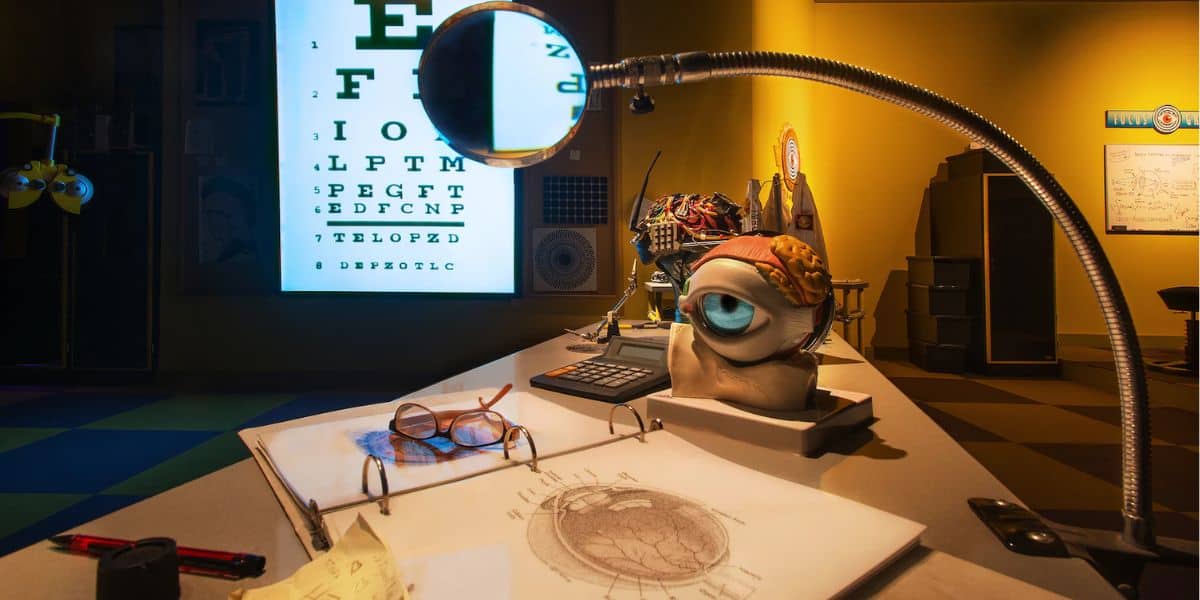
Yet, from a structural standpoint, the Imagination pavilion is an absolute goldmine. Theme park design veterans frequently point out that the building features:
- An Expansive Ride Path: The physical track is remarkably long, offering ample real estate for elaborate storytelling environments.
- Spacious Transition Tunnels: Large physical spaces between scenes allow for modern visual effects installations without structural expansion.
- Massive Post-Show Real Estate: The adjacent ImageWorks playground contains the exact architectural skeleton needed for a high-traffic, interactive digital tech playground.
Disney does not need to bulldoze this historic pavilion to make it a headliner again. Under the current cost-saving strategy, Imagineers could preserve the existing track layout while replacing temperamental, decades-old animatronics with advanced electric figures and immersive projection mapping. By bringing back the Dreamfinder alongside a modernized Figment, Disney could instantly capitalize on generations of deep-seated fan nostalgia, yielding a massive return on an asset that currently sits empty most afternoons.
Completing Spaceship Earth’s Postponed Metamorphosis
While the Imagination pavilion represents a creative emergency, Spaceship Earth—the park’s undisputed flagship icon—presents a massive operational opportunity. Before the global park closures, Disney had officially announced a sweeping, multi-year transformation for the attraction, described as a holistic, “story-light” reinvention featuring a fresh focus on human storytelling. Unfortunately, due to capital conservation mandates, the project was indefinitely shelved.
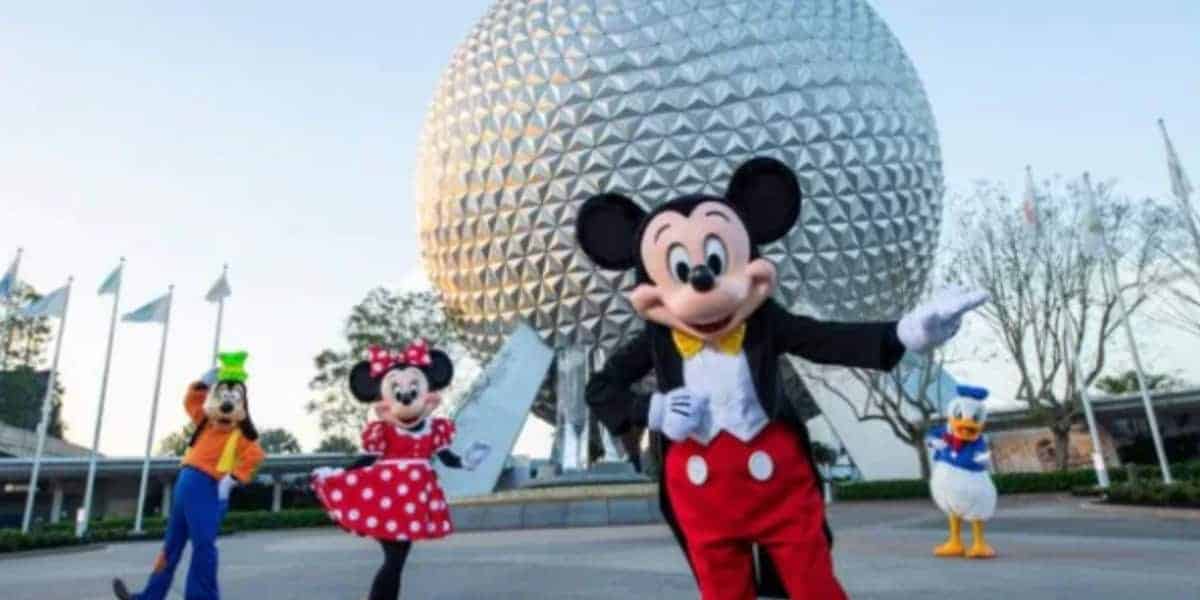
Theme park operational specialists note that, from a mechanical standpoint, the ride cannot remain in its 2007 condition forever. The massive Omnimover ride system requires a comprehensive overhaul to minimize daily maintenance overhead, as sourcing custom replacement parts for a decades-old transit system is becoming a costly corporate burden.
By reviving the paused refurbishment program within Disney’s asset-recycling model, Imagineering could address these backend maintenance liabilities while delivering a jaw-dropping new guest experience. The slow, infamously sparse descent sequence—which currently relies on flat, static screens showing a dated 2000s-era animation—could be completely transformed using cutting-edge celestial projection mapping and dynamic set pieces.
The Ultimate Fan and Financial Win
Ultimately, looking inward to optimize the legendary properties Disney already owns solves the modern theme park puzzle. Traditionalists are intensely protective of EPCOT’s original concepts of human progress, communication, and creativity. By polishing Spaceship Earth and Journey Into Imagination into modern masterpieces rather than replacing them with mismatched movie franchises, Disney completely avoids the public relations minefields that typically stall major park changes. The Refurbishment Revolution proves that the path to a profitable, crowd-pleasing tomorrow doesn’t always require a wrecking ball—just a little bit of imagination.


