 Disney Tips Your Guide To A Great Disney Vacation

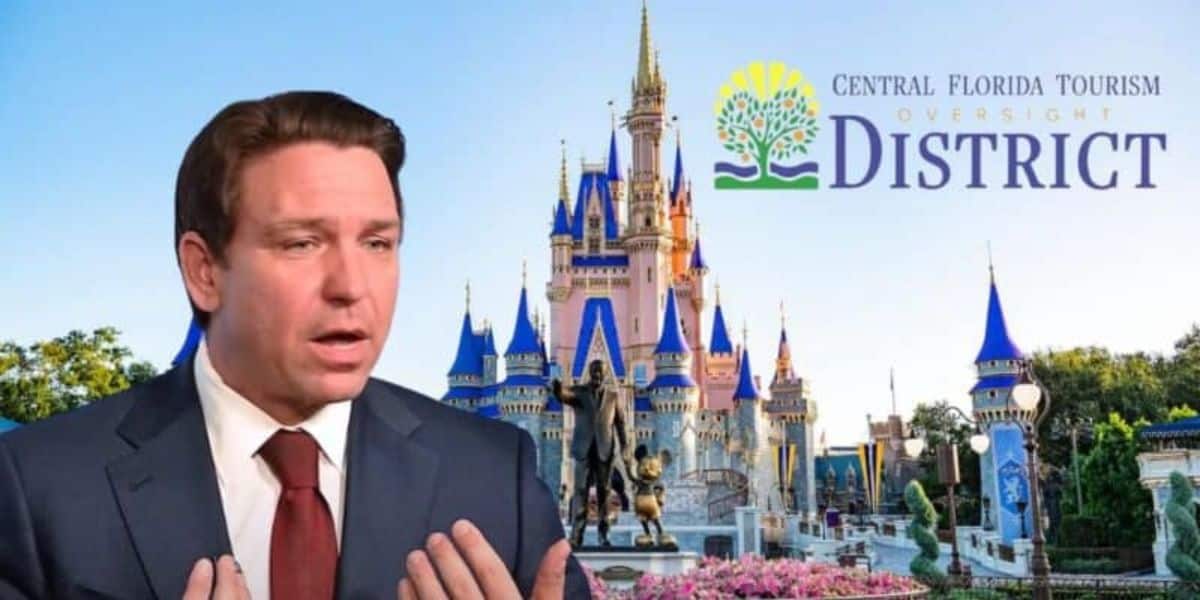
When Florida Governor Ron DeSantis dissolved the self-governing Reedy Creek Improvement District in 2023, the loudest battle cry from his administration was public transparency. The state-appointed supervisors tasked with running the new Central Florida Tourism Oversight District (CFTOD) were framed as champions of an open government that would operate fully in the light of day.
However, by June 2026, that spotlight will have been turned off entirely.
A sudden communication freeze has taken hold across the district’s official media channels. The oversight committee has quietly stopped updating its social media platforms, abandoned its press infrastructure, and, most critically, ended the live-streaming of its monthly board meetings.
By severing these digital lifelines, the board has created a buffer zone of administrative secrecy, effectively masking key decisions on infrastructure and zoning until after they have legally passed.
Tracking the Digital Blackout
For an entity wielding absolute municipal power over Walt Disney World property—controlling millions in public utilities, tax rates, and roadways—open broadcasting is vital. Yet, the district’s public outreach has completely vanished.

The collapse of the CFTOD’s public communication channels features several glaring milestones:
- The YouTube Shutter: The district’s primary method for public monitoring was its monthly live-streamed meetings. The final live broadcast aired on February 27, 2026, locking out virtual watchdogs for nearly four months.
- The Video Archive Freeze: Beyond halting live feeds, the district has also stopped archiving recorded meeting videos. The last recorded board meeting video uploaded to their channel dates back to December 2025.
- Social Media Total Silence: The district hasn’t published a single post on Facebook or Instagram since April 1, 2024, and its professional LinkedIn profile remains entirely blank.
- The Press Release Drought: The district’s official media page hasn’t issued a single public statement or press release since June 2024—representing two full years of total administrative silence.
The 30-Day Transparency Blindspot
Compounding the video blackout is a severe administrative lag in written records, paired with a major downgrade in information quality.

From May 2025 through May 2025, the CFTOD provided comprehensive, near-verbatim minutes that captured the board members’ exact debates, hesitations, and policy arguments. Since then, the district has abandoned transcripts in favor of heavily condensed “action-item” summaries. The public can see whether a project passed, but the surrounding debate is entirely scrubbed.
Because text summaries have become the sole remaining record, the district’s substantial publishing delays create a dangerous blind spot:

| Meeting Date | Minutes Officially Posted | Length of Public Blindspot |
| May 23, 2025 | June 24, 2025 | 32 Days |
| April 24, 2026 | May 29, 2026 | 35 Days |
| May 29, 2026 | Unavailable as of mid-June 2026 | 30+ Days and Counting |
This means the board can introduce an ordinance, debate it behind closed doors, vote on it, and legally codify it into law weeks before the public can even read a summarized sentence confirming the item was up for discussion.
“Low Viewership” or Strategic Rubber-Stamping?
When pressed on the issue, district representatives defended the move by pointing to the balance sheet, claiming that YouTube live streams frequently drew single-digit viewership, making the technical costs hard to justify.

While operationally practical, the excuse conveniently ignores the shifting political landscape. Now that the high-profile legal warfare between DeSantis and Disney has settled into a quiet truce, the board has transitioned from an adversarial political theater into a quiet compliance committee.
Unanimous votes on multi-million-dollar theme park infrastructure projects, such as the upcoming Western Way road improvements, are passed quickly with little to no public friction.
Technically, the CFTOD is not violating the literal letter of Florida’s Sunshine Law, which only requires meetings to be physically open and recorded in basic written form. However, by choosing the bare legal minimum over modern digital access, the board is stepping away from the accountability it was built to enforce.

This DeSantis Oversight District Exit Report provides important historical context regarding the inner corporate culture and operational shakeups that have plagued the DeSantis-appointed theme park oversight committee since its inception.