 Disney Tips Your Guide To A Great Disney Vacation

Disney’s Strategic Market Shift
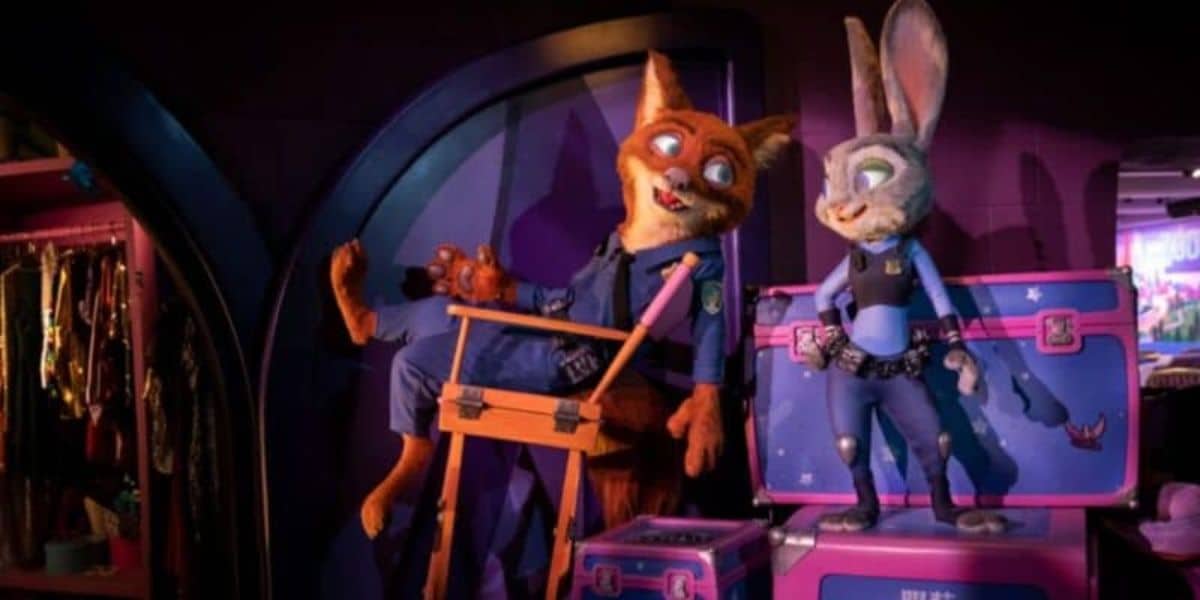
Disney is making waves in the film industry by dramatically shifting its focus from American audiences to international viewers, particularly in China. The recent release of Zootopia 2 exemplifies this strategy. The animation giant has recorded a stark disparity in box office earnings, with the film grossing approximately $230 million in the United States while raking in over $480 million from Chinese audiences.
This shift in target demographic indicates a broader trend within Disney as it adapts its marketing strategies to meet the growing demand in international markets.
By prioritizing Chinese audiences, Disney is redefining its approach to storytelling and production. The implications of this focus could reshape future projects, indicating a possible paradigm shift in how Hollywood films are developed and marketed. As Disney refines its outreach to tap into lucrative markets like China, it raises questions regarding the American audience’s place in the company’s overarching strategy.
Box Office Success of Zootopia 2
Zootopia 2 has demonstrated outstanding box office success, breaking records and setting new benchmarks. The film’s earnings in China have surpassed previous entries, becoming the best opening weekend for an American movie in the Chinese market since 2021.

Notably, it amassed an astounding $104 million on its opening day alone, surpassing records previously held by titans like Avengers: Endgame. In contrast, its performance in the U.S. appears lackluster, further highlighting the disparity between its reception across these two significant markets.
This bifurcation in box office performance raises questions about the future of Disney’s productions. With Zootopia 2 thriving in international markets, particularly China, while struggling in the U.S., the film reflects a shift that could influence how future Disney projects are conceived and executed. The dance between regional success and domestic response paints a complex picture for Disney’s future ventures.
Cultural Relevance in Zootopia 2
One of the main factors contributing to Zootopia 2‘s popularity among Chinese audiences is its incorporation of cultural themes that resonate deeply with local values. Disney purposefully infused aspects of self-reflection, growth, and renewal into the film’s narrative, drawing on themes relevant to the Year of the Wood Snake in Chinese culture. This intentional cultural alignment not only enhances the film’s relevance but also builds a stronger emotional bridge with its viewers.

Moreover, Disney’s decision to retain the same voice actors from the original Zootopia for the Chinese version reinforces familiarity and emotional engagement. This strategy boosts connection with local audiences, allowing the characters’ journeys to resonate more profoundly within the context of their experiences. As Disney focuses on localized marketing techniques, it demonstrates a keen understanding of audience desires and preferences, which is critical in maintaining global relevance.
Future Outlook for Disney’s Strategy
Looking ahead, Disney appears steadfast in its commitment to targeting the Chinese market. With upcoming films such as Avatar: Fire and Ash and Avengers: Doomsday set to capitalize on the momentum generated by Zootopia 2, there are indications that the emphasis on international audiences will persist. This strategic pivot may enable Disney to continue tailoring its storytelling to resonate with regional audiences.

However, this shift carries broader implications for Hollywood. If Disney’s success inspires other studios to replicate this model, the future of cinematic productions may increasingly focus on catering to local preferences globally. Finding a balance between regional strategies and maintaining universal appeal will be crucial for sustainability in the global cinema market. As the landscape evolves, the American audience might find itself sidelined in favor of more lucrative, region-specific strategies.
Zootopia 2 has undoubtedly shattered box office records and catered adeptly to a Chinese audience. Still, the ramifications of this strategic pivot suggest that Disney—and potentially the entire entertainment industry—may be on the verge of a significant transformation. As priorities shift, discerning how to engage both American and international audiences could reshape Hollywood narratives in the years to come.