
 Disney Tips Your Guide To A Great Disney Vacation
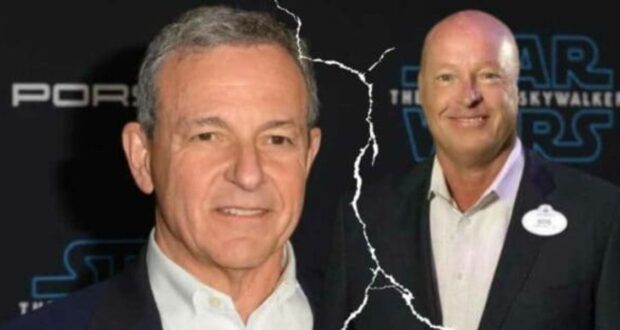
On the morning of February 2, 2026, the “Battle of the Bobs” reached its definitive conclusion. Addressing analysts and investors during The Walt Disney Company’s Fiscal First Quarter 2026 earnings call, CEO Bob Iger delivered a candid and stinging appraisal of the era that preceded his return. Iger, who is now in the final stretch of his second tenure, characterized the period under former CEO Bob Chapek as one defined by systemic failure, requiring “a tremendous amount of fixing” to rescue the Disney brand.
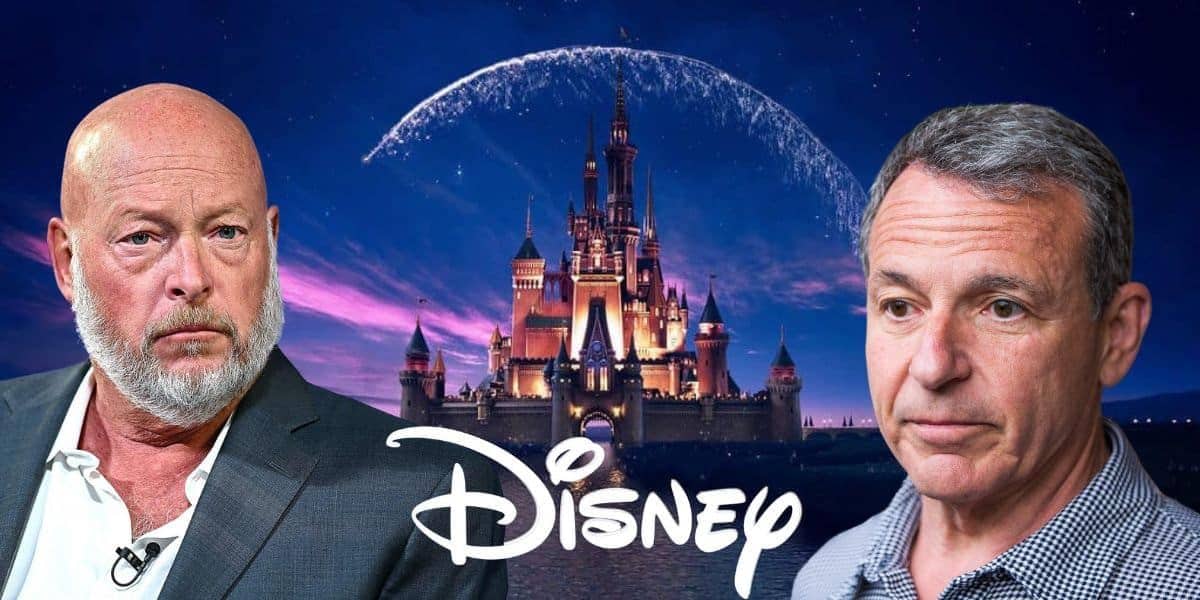
As the company reports a 5% climb in revenue and a significant turn toward streaming profitability, Iger is making it clear: he didn’t just return to lead; he returned to perform open-heart surgery on a broken kingdom.
The Cleanup: Reversing the Chapek “Mess”
The core of Iger’s frustration, which he laid bare during the Q&A session, was the centralized distribution model—Disney Media and Entertainment Distribution (DMED)—that Chapek implemented. By stripping creative heads of their financial authority, the previous administration had effectively “broken” the internal gears of Disney’s movie and television studios.
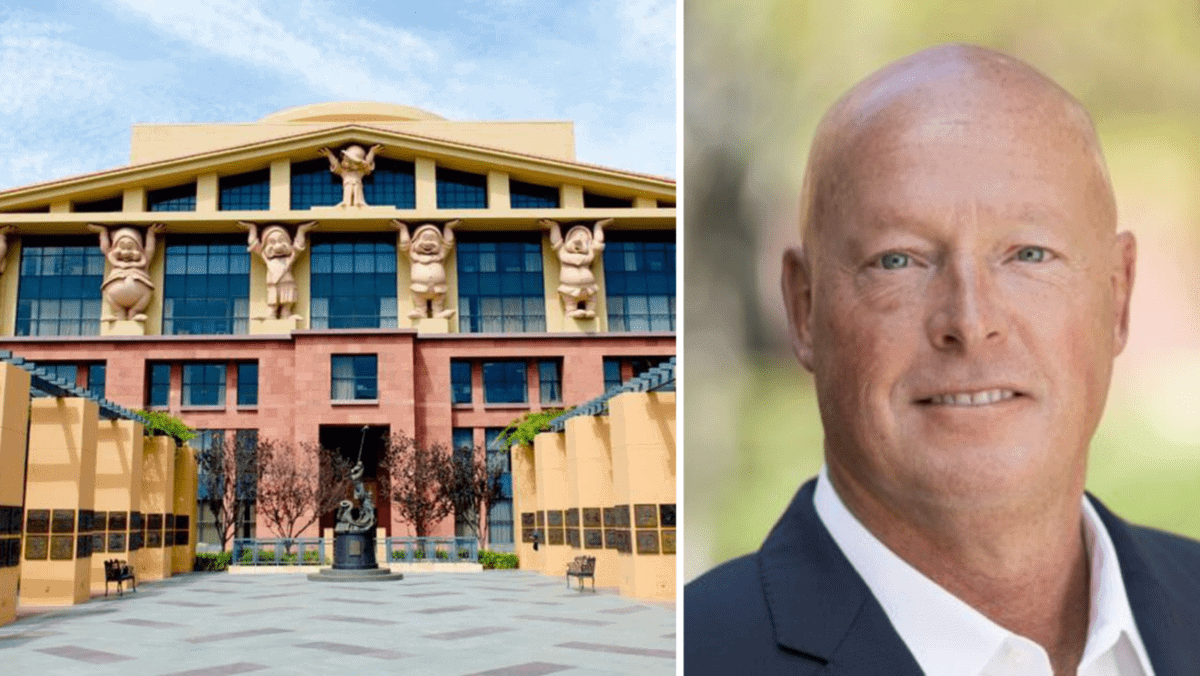
“When I came back three years ago, I had a tremendous amount that needed fixing,” Iger remarked. “The good news is that the company is in much better shape today than it was three years ago, because we have done a lot of fixing.”
The “fixing” Iger refers to has been a brutal, multi-year process:
- Decentralization: Returning P&L responsibility to creative leads like Dana Walden and Alan Bergman.
- Streaming Discipline: Turning a business that was hemorrhaging $1 billion a quarter into a profitable engine that contributed $500 million in operating income this quarter alone.
- The Experience Pivot: Moving away from the “nickel-and-diming” reputation of the early 2020s to restore value in the theme parks, even as the company moves forward with a $60 billion expansion plan.
Setting the Stage: A “Good Hand” for the Next CEO
While the market reacted with skepticism—Disney stock fell 5.7% on Monday due to the lack of a formal succession name—Iger was adamant that he is leaving the company in a fortified position. Unlike the 2020 handoff, which Iger has privately called his “worst business decision,” the 2026 transition is being overseen by James Gorman, the former Morgan Stanley CEO and current Disney Board Chair.

Iger noted that the next leader—widely rumored to be Josh D’Amaro or Dana Walden—will be handed a “good hand.” This includes a streamlined streaming business (now integrated with Hulu) and a Parks division that is currently seeing high-single-digit growth despite the closure of attractions like DINOSAUR at Animal Kingdom.
“They’ll be handed, I think, a good hand in terms of the strength of the company,” Iger told analysts. “But also the exhortation that in a world that changes, you also have to continue to change and evolve as well.”
The Warning: Don’t Preserve the Status Quo
Iger’s most significant piece of advice for his successor was a warning against complacency. “Trying to preserve the status quo was a mistake, and I’m certain that my successor will not do that,” he stated. This comment is seen as a final, indirect swipe at the “maintenance-mode” philosophy of the Chapek years, which Iger believes led to franchise fatigue and a drop in theatrical quality.

As the Disney Board prepares to vote on the next CEO as early as this week, Iger is positioning himself as the architect who cleared the wreckage so that the next generation could build a fortress. By blaming the “mess” on his predecessor during his final earnings call, Iger has effectively cemented his legacy as the “Repairman CEO” who saved Mickey Mouse from his own corporate hubris.


