
 Disney Tips Your Guide To A Great Disney Vacation
Current State of Lightning Lane Pricing
The Lightning Lane system at Disney World has become a fundamental part of the visitor experience. It allows guests to bypass long wait times for popular attractions. This system employs a dynamic pricing model that adjusts the cost of Lightning Lane passes based on expected crowd sizes at the park.

Prices tend to escalate during peak seasons, such as holidays or major events, reflecting the increased demand for quicker access. Despite these rising costs, many guests feel compelled to invest in Lightning Lane access to optimize their time at Disney World.
Issues with Seven Dwarfs Mine Train Pricing
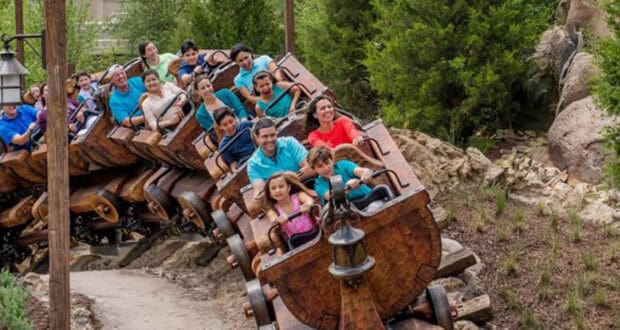
A significant point of contention for many park-goers revolves around the Individual Lightning Lane pricing for the Seven Dwarfs Mine Train. Currently, guests pay between $12 and $16 to skip the line for this ride, which lasts only about three minutes. Many visitors question the fairness of this pricing, especially when compared to other attractions that offer a longer ride experience or more engaging content.

For example, rides such as Tron: Lightcycle/Run or Guardians of the Galaxy: Cosmic Rewind justify their costs due to their extended durations and immersive experiences. In contrast, guests often perceive the Seven Dwarfs Mine Train as lacking the same value, fostering frustration over what they see as a disproportionate cost for a brief thrill. This growing discontent raises concerns that the Individual Lightning Lane pricing could alienate visitors who feel they are paying too much for too little.
Proposed Changes to Improve Guest Experience
One suggested solution to this pricing dilemma is to integrate the Seven Dwarfs Mine Train into the standard Lightning Lane offerings alongside other popular attractions. Doing so could potentially enhance accessibility for guests while lowering their overall costs. By including this ride in the general Lightning Lane structure, Disney World would likely improve visitor flow throughout the park, smoothing out wait times and increasing guest satisfaction.

Guests stand to gain significantly from such an adjustment—a more affordable option to enjoy a popular attraction could substantially enhance their experience at the park. Furthermore, more efficient guest movement through the park could alleviate some of the frustrations that have begun to tarnish the visitor experience at Disney World. However, Disney’s management would need to carefully consider this shift, as they must balance operational efficiency with their profitability goals.
Long-Term Implications for Disney
Disney’s challenge of maintaining guest satisfaction while simultaneously generating revenue remains complex. As competition in the theme park industry intensifies, re-evaluating the Lightning Lane pricing model—particularly for attractions like the Seven Dwarfs Mine Train—may prove essential for the continued success of Disney World. If visitors believe that attractions are overpriced, Disney risks alienating its loyal customer base, which could hinder repeat visits and negatively impact the brand’s reputation.

Addressing these issues, a shift towards a more guest-centric approach to pricing could benefit Disney in the long run. Guests are increasingly seeking value for their money, and ensuring quality experiences could reinforce the allure of Disney World as the premier destination it aims to be. By improving satisfaction around Lightning Lane pricing, Disney could better align its business objectives with the desires of its visitors, creating a more favorable atmosphere that captures the essence of magic and enjoyment that guests have come to expect.



Still and more so now than ever, a RIP-OFF