 Disney Tips Your Guide To A Great Disney Vacation
Reseller culture was once confined to limited-edition sneakers, high-demand concert passes, and rare gaming consoles. Today, scalpers have invaded a brand-new market: theme park admission tickets.

Outrage recently erupted across social media when videos surfaced showing resellers clearing warehouse shelves of deeply discounted Disneyland ticket packages. The sight of shoppers filling entire carts with stacks of promotional passes sparked widespread backlash from theme park fans fed up with reselling culture invading family vacations.
The Warehouse Ticket Loophole
The frenzy began when wholesale giant Costco placed a promotional Disneyland ticket bundle on its physical racks. To protect its official gate pricing and brand prestige, Disney routinely avoids publicly discounting tickets on its primary channels, opting instead to route special deals through third-party retail partners.
However, when a physical ticket card package worth $563 appeared on store shelves for a wholesale price of just $329.99, resellers immediately pounced on the massive arbitrage opportunity.
The math behind the bundle explains why scalpers rushed the display racks before families could browse:
- 2-Day Park Hopper Pass: Retailing for $445 directly from Disney.
- Lightning Lane Multi Pass: Valued at approximately $68.
- Disney Dining Credit: Includes $60 in food-and-beverage vouchers.
- Total Package Value: $563.
- Costco Shelf Price: $329.99.
This created an extraordinary $233 price spread, openly displayed on a physical store shelf. Acquiring the passes required no complex buying bots or online queues—just a standard $65 membership and the ability to pull cards off the rack by the armful.
By listing these passes online for around $463, a scalper could undercut Disney’s official price by $100 while still securing a $133 net profit per card. Clearing just 20 cards off a rack yielded over $2,600 in profit for roughly ten minutes of effort inside a warehouse.
For retail chains, swift sell-outs generate viral social media attention, driving foot traffic and record annual membership renewals. Meanwhile, every day, families seeking an affordable weekend trip find empty store racks, leaving them with little choice but to purchase marked-up passes on secondary platforms like Facebook Marketplace from the very flippers who cleared the shelves.
Park Merchandise Sweeps
While ticket reselling represents a new frontier for scalpers, sweeping physical merchandise inside Disney Parks has plagued parkgoers for years.
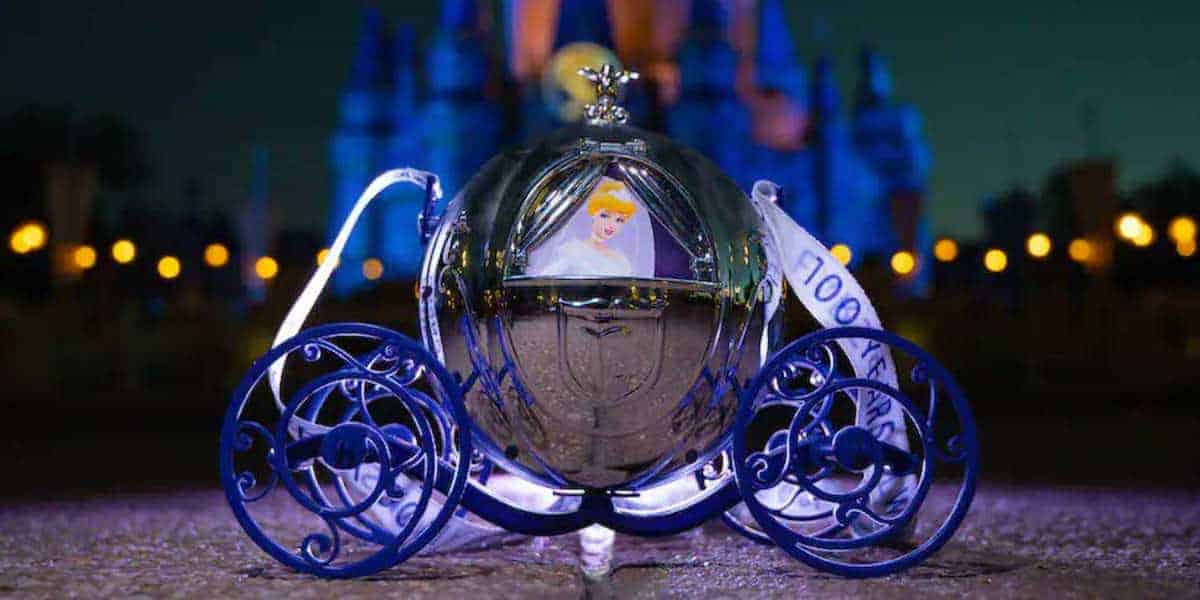
Resellers regularly target limited-edition souvenirs across Disneyland Resort and Walt Disney World, including novelty popcorn buckets, seasonal Starbucks tumblers, and collectible ear headbands. Working in coordinated teams, flippers bypass per-item purchase limits to clear store stock during park opening. Resellers frequently photograph items resting on park benches or strollers to list them online as “in hand” before even leaving the property.
The Impact on Everyday Families
The shift from flipping physical souvenirs to reselling gate admission passes highlights a growing gap between corporate promotional distribution and consumer fairness. Until retailers enforce strict purchase caps or implement point-of-sale identity linking, arbitrage will continue to bridge the gap between wholesale discounts and official gate prices—leaving everyday families to bear the cost.