 Disney Tips Your Guide To A Great Disney Vacation

Settlement Overview and Implications
The settlement between Disney and Gina Carano marks a significant development in a case that has garnered attention across Hollywood and beyond. Carano, dismissed from her role in The Mandalorian in February 2021, initiated the Disney lawsuit after alleging a biased double standard in the company’s treatment of its stars. Her dismissal followed controversial remarks regarding political beliefs, including a comparison made during a social media post that drew significant backlash.

Credit: D23
The specific terms of the settlement remain largely undisclosed; however, sources indicate that Carano received a financial payout to resolve her claims. This agreement comes strategically in Disney’s ongoing negotiations for a deal with the NFL, which has been described as a potentially game-changing partnership for the media giant. By settling with Carano, Disney aims to distance itself from the turbulence of ongoing litigation, paving the way for a more favorable negotiating environment as it pursues the acquisition of broadcasting rights from the NFL.
Disney’s strategic timing in announcing the settlement aligns closely with the formal disclosures regarding the ESPN/NFL deal, underscoring a deliberate attempt to unify the company’s public narrative and minimize any reputational damage that might arise. Analysts speculate this settlement could also have potential financial implications for Disney, as a strong media presence through NFL content could enhance subscription revenues and strengthen its market position.

Credit: Lucasfilm
Strategic Motivations Behind the Settlement
Disney’s motivations for resolving the Carano lawsuit extend beyond merely quelling public relations challenges. The recent NFL deal is complicated by regulatory scrutiny from Donald Trump’s administration, necessitating Disney to secure favorable terms to avoid political complications. Reports suggest that Trump’s Federal Communications Commission (FCC) is poised to evaluate the NFL agreement rigorously, and potential negative press could hinder the approval process.
Settling the lawsuit arguably serves a dual purpose by protecting Disney from potential public relations fallout and maintaining a cooperative atmosphere with key political players. Avoiding the discovery process, which could have revealed sensitive internal discussions related to Carano’s claims and other related matters, likely factored heavily into the decision-making process for Disney executives.
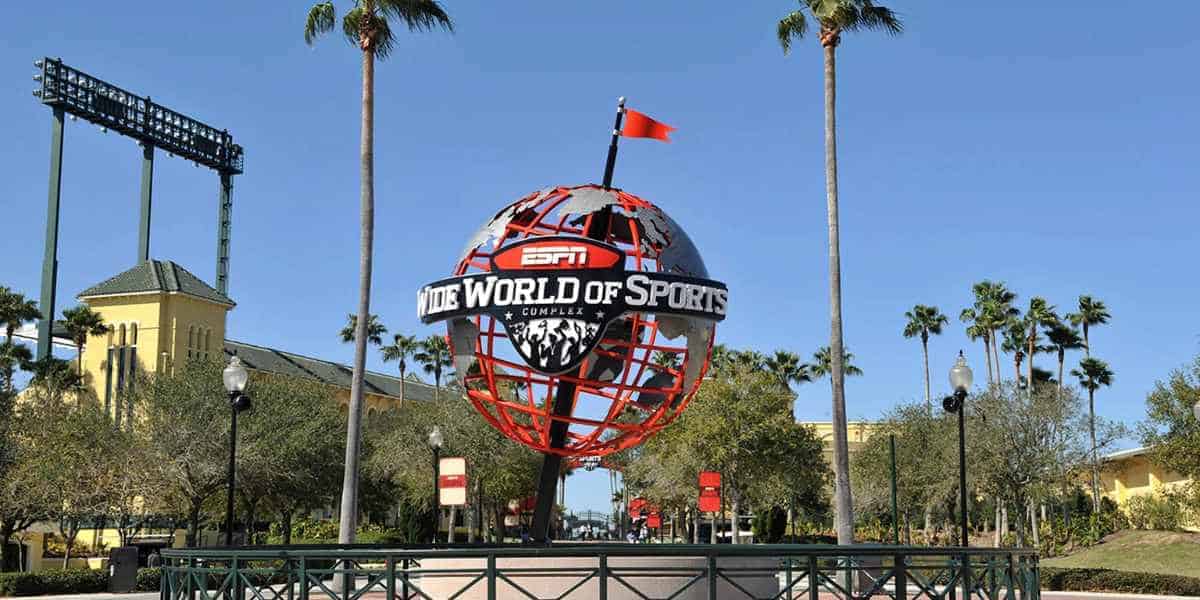
By opting to settle rather than risk exposing internal communications that might be unflattering or politically sensitive, Disney positions itself to prevent backlash from the lawsuit, particularly given the heightened scrutiny surrounding the NFL deal.
Reactions from Industry and Fans
The settlement has sparked varied reactions within entertainment circles. Supporters of Carano often view the settlement as a victory, interpreting it as an affirmation of her beliefs and perspectives amid allegations of political discrimination in Hollywood. Conversely, criticism has emerged concerning the broader trend of corporations prioritizing profit over principles, suggesting that Disney’s decision reflects a corporate culture more concerned about image than fairness.
Industry insiders have also noted parallels with other celebrity lawsuits, indicating that expedience often precedes ethical standards in high-profile settlements. The Carano case raises questions about the dynamics within corporate decision-making at Disney, particularly in situations where political affiliations may color management choices.

Credit: Disney, Gage Skidmore, Flickr
The mixed reactions to the settlement underscore the growing tensions between personal beliefs and corporate interests. As these themes resonate throughout the entertainment industry, Disney’s approach to handling its public image will likely influence future interactions with talent and fans.
Political Landscape and Media Relations
The Carano lawsuit resolution has significant implications within the current political context, particularly concerning how political affiliations influence corporate strategy. Disney’s dealings with the NFL and the scrutiny from Trump’s administration are a stark reminder of the intersecting worlds of politics and media. This interplay necessitates careful navigation, with companies increasingly aware of how political leanings shape public perception and business relations.

Credit: Gage Skidmore, Flickr; Disney
Maintaining amicable relationships with influential political figures may be a strategic imperative for Disney to foster continuity and minimize conflict. The settlement with Carano reflects the complex environment in which media companies operate, requiring a balance between corporate interests and the realities of increasingly polarized political landscapes.
As Disney continues to evolve its corporate strategy alongside its media ambitions, the implications of the Carano lawsuit resolution illustrate the intricate calculations firms must consider in a politically charged environment. The press surrounding this settlement may set a precedent for how similar cases are approached, ultimately shaping Hollywood’s future of talent management and corporate ethics.