 Disney Tips Your Guide To A Great Disney Vacation

Walt Disney World has spent much of September giving guests something they always hope to find on vacation: manageable crowds.
This past weekend offered a very different picture.
For the first time in quite some time, Walt Disney World Annual Passholders ran into reservation capacity restrictions, preventing some passholders without existing reservations from entering their preferred parks during the busy Saturday rush. At the same time, attraction wait times climbed dramatically across the resort.
And nowhere was the problem more obvious than EPCOT.
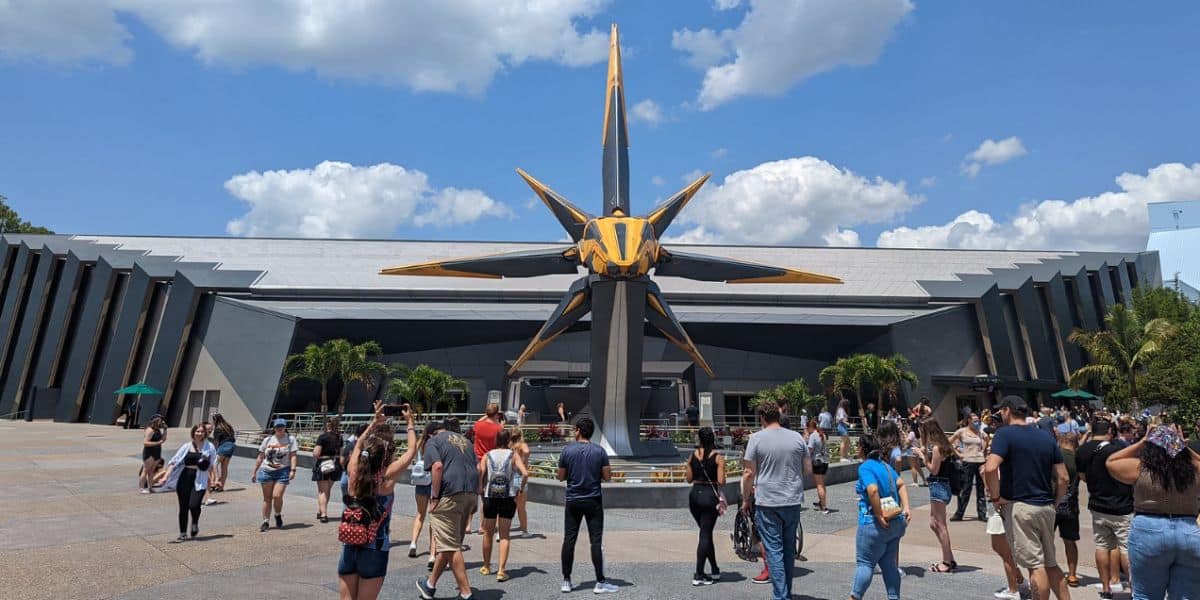
Guardians of the Galaxy: Cosmic Rewind approached a three-hour standby wait. Frozen Ever After climbed well beyond 100 minutes. Test Track also developed a lengthy line as thousands of guests competed for a relatively small collection of major attractions.
A busy Saturday isn’t unusual at Walt Disney World. What made this weekend particularly interesting was when it happened.
Late September has traditionally provided some breathing room between the summer vacation season and the busiest stretch of the fall and holiday calendars. Yet Disney suddenly found itself restricting Annual Passholder reservations while several attractions posted waits normally associated with much busier periods.
It raises a larger question about Walt Disney World.
Does Disney actually have enough attraction capacity for the number of people it can put inside its parks?
Disney World Annual Pass Reservations Hit Capacity
Saturday, September 26, became an unusually busy day across Walt Disney World.
Earlier in the day, Annual Passholder reservations reached capacity at Magic Kingdom and EPCOT. The reservation sellouts provided an early warning that crowds could become much heavier than guests had grown accustomed to seeing recently.
By 6 p.m., those concerns had become reality.
At EPCOT, Guardians of the Galaxy: Cosmic Rewind reached a posted 160-minute wait. Frozen Ever After sat at 115 minutes, while Test Track reached 75 minutes. The Cosmic Rewind wait eventually reached three hours later that evening.
Magic Kingdom wasn’t exactly empty, either.
TRON Lightcycle / Run reached 85 minutes, Seven Dwarfs Mine Train hit 65 minutes, and Jungle Cruise, The Many Adventures of Winnie the Pooh, and Tiana’s Bayou Adventure each reached 55 minutes. Big Thunder Mountain Railroad and Buzz Lightyear’s Space Ranger Spin both sat at 50 minutes.
Those numbers would be noteworthy at any point. Seeing them on a random Saturday in late September made the situation stand out even more.
The unusually pleasant weather may have played a role. Central Florida experienced cooler and drier conditions after months of summer heat, potentially encouraging more local visitors and Annual Passholders to head to the parks.
But weather alone doesn’t explain the bigger problem Disney faces when crowds suddenly increase.
EPCOT Has a Capacity Problem
EPCOT is enormous.
Anyone who has walked from Spaceship Earth to the back of World Showcase knows just how much physical space the park offers. World Showcase alone can absorb an incredible number of people, especially during festivals.
Right now, the EPCOT International Food & Wine Festival gives guests even more reasons to spread out. Visitors can spend hours eating, drinking, shopping, watching entertainment, and exploring the different country pavilions without ever stepping into an attraction queue.
That helps with crowd distribution.
The problem begins when those guests decide they want to ride something.
EPCOT simply doesn’t have a huge number of high-capacity headlining attractions capable of absorbing the crowds currently entering the park.
Guardians of the Galaxy: Cosmic Rewind has become one of Disney World’s biggest draws. Test Track remains another major attraction. Frozen Ever After attracts families and fans of Frozen (2013), while Remy’s Ratatouille Adventure continues drawing substantial crowds in the France pavilion.
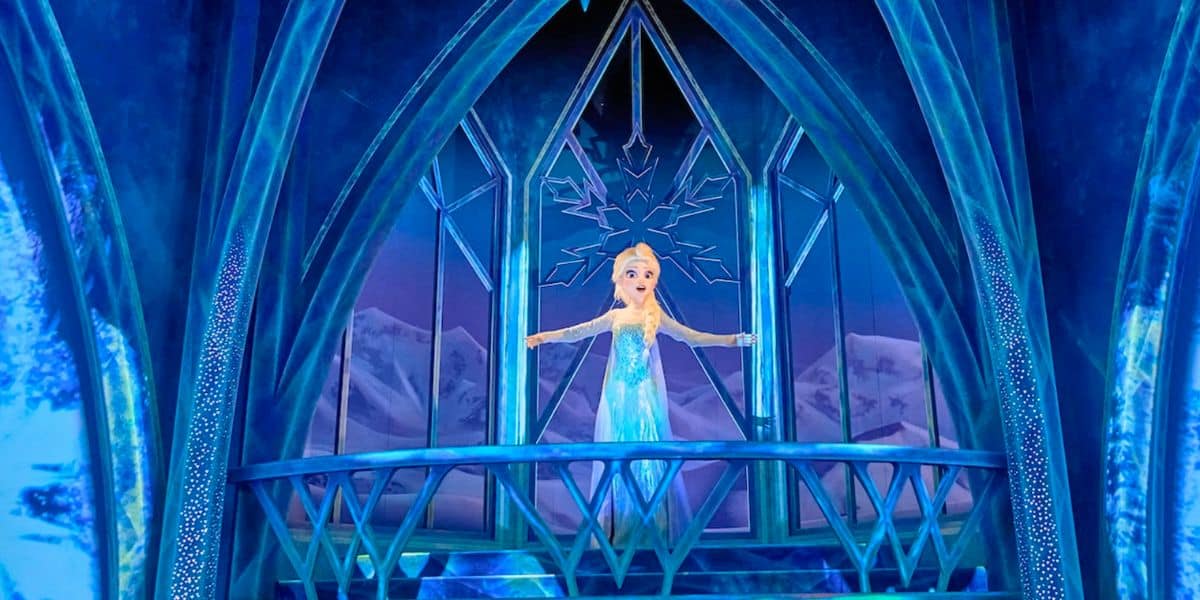
Once those attractions become overwhelmed, guests have relatively few alternatives in the same tier.
That is how Cosmic Rewind can reach 160 minutes while Frozen Ever After jumps to 115 minutes.
EPCOT can physically hold a massive crowd. Handling that crowd from an attraction standpoint is another issue entirely.
World Showcase Can Only Do So Much
World Showcase is one of EPCOT’s biggest advantages during crowded periods.
Instead of forcing everyone into ride queues, Disney can spread thousands of people through restaurants, stores, festival booths and entertainment offerings.
But there is an important distinction between having room for people and having attraction capacity.
A guest standing in line at a Food & Wine Festival booth isn’t standing in line for Cosmic Rewind. That certainly helps. However, many visitors still arrive expecting to experience Disney attractions during their day.
When demand overwhelms EPCOT’s relatively small group of headliners, the park quickly starts feeling very different.
A 160-minute wait means a guest could spend more than two and a half hours waiting for one attraction. Add another 115 minutes for Frozen Ever After, and nearly five hours of a park day could disappear between two standby lines alone.
That’s before considering meals, walking, shopping, entertainment or another attraction.
Lightning Lane can help some visitors avoid portions of those waits, but it doesn’t create additional ride capacity. Ultimately, Disney can only move so many guests through an attraction during any given hour.
That’s where the larger challenge comes into play.
Hollywood Studios Has a Similar Issue
EPCOT isn’t alone.
Disney’s Hollywood Studios has spent years building a strong collection of popular attractions, but the park can still struggle when attendance rises.
On Saturday evening, Rock ‘n’ Roller Coaster Starring The Muppets reached 65 minutes. Slinky Dog Dash hit 60 minutes, while Star Wars: Rise of the Resistance reached 55 minutes. Mickey & Minnie’s Runaway Railway and Toy Story Mania! each posted 50-minute waits. The Twilight Zone Tower of Terror reached 45 minutes.
Those numbers reveal the same basic challenge.
Hollywood Studios has plenty of attractions guests want to experience, but most of them are major draws.
That means there aren’t nearly as many smaller attractions capable of absorbing thousands of people while keeping them entertained.
When crowds increase, guests move from one popular attraction to another popular attraction. Slinky Dog Dash gets overwhelmed. Rise of the Resistance builds a line. Tower of Terror climbs. Mickey & Minnie’s Runaway Railway follows.
The park has improved tremendously from the days when its attraction lineup was considerably smaller, but another surge in attendance can still expose its limitations.
Animal Kingdom Faces an Even Bigger Question
Then there is Disney’s Animal Kingdom.
Animal Kingdom may have the clearest need for additional attraction capacity.
The park has Avatar Flight of Passage, Na’vi River Journey, Expedition Everest, Kilimanjaro Safaris and several other experiences, but its overall ride lineup remains relatively small compared to Magic Kingdom.
Disney is working to address that.
The upcoming Tropical Americas project will reshape a major portion of the park and introduce new experiences, including attractions based on Encanto (2021) and Indiana Jones.
Those additions should give guests more things to do.
Still, Animal Kingdom’s current situation shows why adding attractions matters beyond simply giving Disney something new to advertise.
New attractions can distribute crowds.
Every additional high-capacity experience gives thousands of guests somewhere else to go during the day. That’s particularly important as Disney continues introducing new reasons for people to visit.
Magic Kingdom Shows Why Attraction Count Matters
Magic Kingdom wasn’t immune to Saturday’s crowds, as its wait times clearly showed.
However, it has one major advantage over the other three Walt Disney World theme parks: sheer attraction count.
When Seven Dwarfs Mine Train has a long line, guests have dozens of alternatives.
They can ride Pirates of the Caribbean, Haunted Mansion, “it’s a small world,” Under the Sea – Journey of the Little Mermaid, Dumbo the Flying Elephant, The Many Adventures of Winnie the Pooh and numerous other attractions.
Not every ride has enormous hourly capacity, and Magic Kingdom can certainly become uncomfortable when attendance surges. But having more experiences gives Disney more places to distribute those visitors.
EPCOT, Hollywood Studios and Animal Kingdom don’t have that same luxury.
That becomes increasingly noticeable on days like September 26.
This Weekend Offered Disney World a Warning
One crowded Saturday doesn’t mean Walt Disney World suddenly has an attendance crisis.
September 26 may have represented a perfect combination of pleasant weather, local Annual Passholder demand, weekend visitors and EPCOT’s popular Food & Wine Festival.
But the Annual Pass reservation restrictions matter.
So do the wait times.
Disney’s reservation system exists partly to control how many passholders enter its parks on particularly busy days. When reservations actually reach capacity after a stretch in which availability has rarely been an issue, guests notice.
More importantly, Saturday demonstrated how quickly attraction infrastructure can become strained when attendance rises.
Disney World doesn’t necessarily lack physical space for guests.
EPCOT proves that.
What Disney needs is enough attractions to give those guests somewhere to go once they’re inside.
Future expansions at Magic Kingdom, Hollywood Studios and Animal Kingdom could eventually help redistribute demand. But EPCOT’s weekend crowds showed why attraction capacity deserves just as much attention as attendance capacity.
A park can have plenty of room for people to walk around and still struggle to give those people enough to do.
When Annual Pass reservations disappear and one of EPCOT’s biggest rides approaches a three-hour wait on a late-September Saturday, that difference becomes difficult to ignore.