 Disney Tips Your Guide To A Great Disney Vacation
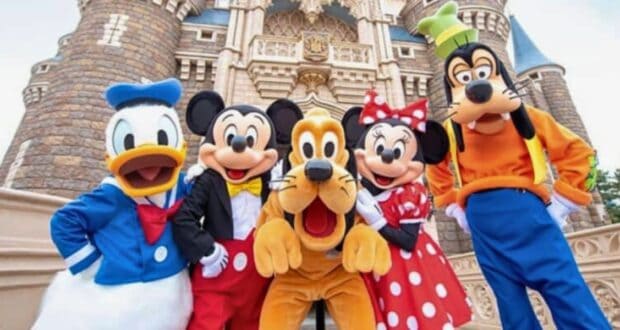
Disney parks vary across the world, but few boast as many unique quirks as Tokyo Disney Resort.
The resort – which is owned by The Oriental Land Company, not Disney – operates differently in many ways. This extends to guest behavior, with an unwritten rule applying to parade viewing.

Credit: Hideya Hamano, Flickr
The seated parade policy at Tokyo Disneyland isn’t a niche tradition. It’s a widely understood, actively managed expectation. In areas along the main parade route, guests are required to remain seated from the moment they claim a viewing spot until the parade ends. Cast members patrol gently, reminding anyone who forgets.
A Policy That Prioritizes Fairness and Visibility
This sit-only approach does more than keep the peace. It ensures that everyone – from the front row to those several layers back – has a clear view. During a 2025 visit to Tokyo Disneyland, this policy was in full effect.
For both Harmony in Color and the limited-time parade that was part of last year’s Donald’s Quacky Duck City, guests began arriving as early as two hours in advance, armed with foldable mats and towels. They claimed their spots, sat down, and waited—without commotion.
By the time the floats began rolling down the route, thousands of guests were already seated in silence. No pushing, no last-minute scrambles. The policy was universally observed.

Credit: Tokyo Disney Resort
“Basically, you will be guided to sit on the ground to view the parade/show,” the Tokyo Disney Resort website explains, “but depending on weather and other conditions, you may be guided to view the parade/show standing.”
That approach contrasts sharply with what happens at Disney’s American parks. At Disneyland in California or Magic Kingdom in Florida, crowd behavior around parades is often unpredictable. Guests mix standing and sitting. People shift around as showtime nears. Cast members typically encourage standing. The result? Obstructed views, last-minute crowding, and a less enjoyable experience for families and shorter guests.
Tokyo Disney’s Operational Culture Sets It Apart
The parade rule is just one example of how Tokyo Disney Resort’s operations differ. Park staff frequently close attraction queues before the official park closing time to ensure that ride times don’t run long. Photography is more tightly regulated—flash is discouraged, elevated cameras are often banned, and some shows prohibit filming altogether.
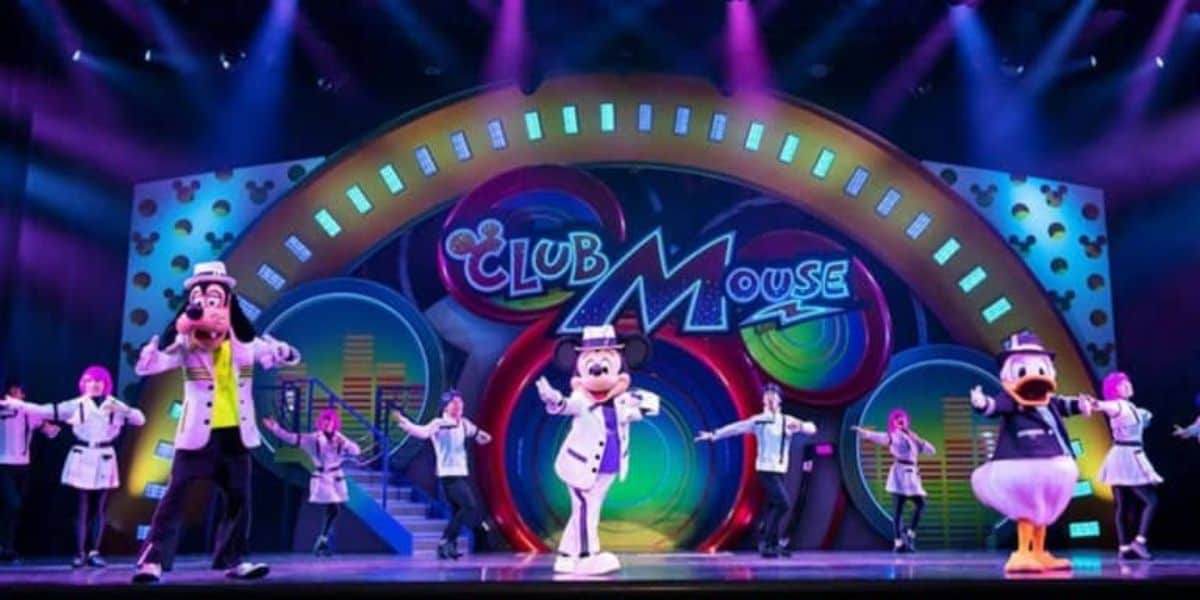
Credit: Tokyo Disney
The result is a less disruptive environment for those who are present. And guests follow the rules. One reason? Cultural expectations around courtesy and group harmony are stronger in Japan than in many other countries. These expectations are embedded in park etiquette, from queue behavior to show attendance.
On Reddit, international visitors have taken note. “In Tokyo now for the first time and I’m just amazed at the etiquette surrounding parades and such here,” wrote one user. “This place sets the standard.” Another commented, “Nice to see. I hope it spreads among Disney fans to sit for shows so everyone can enjoy.”
Policies like Tokyo’s sit-down requirement may not be easily enforced elsewhere. Still, they offer a model of how minor changes to crowd management—when supported by guest culture—can improve the experience for all.
Do you think Disney should switch up the parade rules at Walt Disney World Resort?