
 Disney Tips Your Guide To A Great Disney Vacation

When Walt Disney World cracked down on complimentary resort transportation earlier this summer, the goal was simple: stop offsite visitors from using Disney Springs as a free park-and-ride hub. By forcing guests to prove they were staying at a Disney hotel or had a dining reservation, the resort aimed to free up seats for paying customers.

However, recent reports show that the crackdown may have worked too well. Bus loops and boat docks at Disney Springs have seen a dramatic drop in ridership, with vehicles frequently departing with only a fraction of their capacity—or completely empty. Now, theme park insiders worry this sudden drop in passengers could lead to major route cuts and longer wait times for the very guests Disney tried to protect.
How the Disney Springs Lockdown Works
The major policy shift officially went into effect in late June 2026. Walt Disney World updated its official website and deployed Cast Members to staff checkpoints at the Disney Springs bus depots and boat docks.
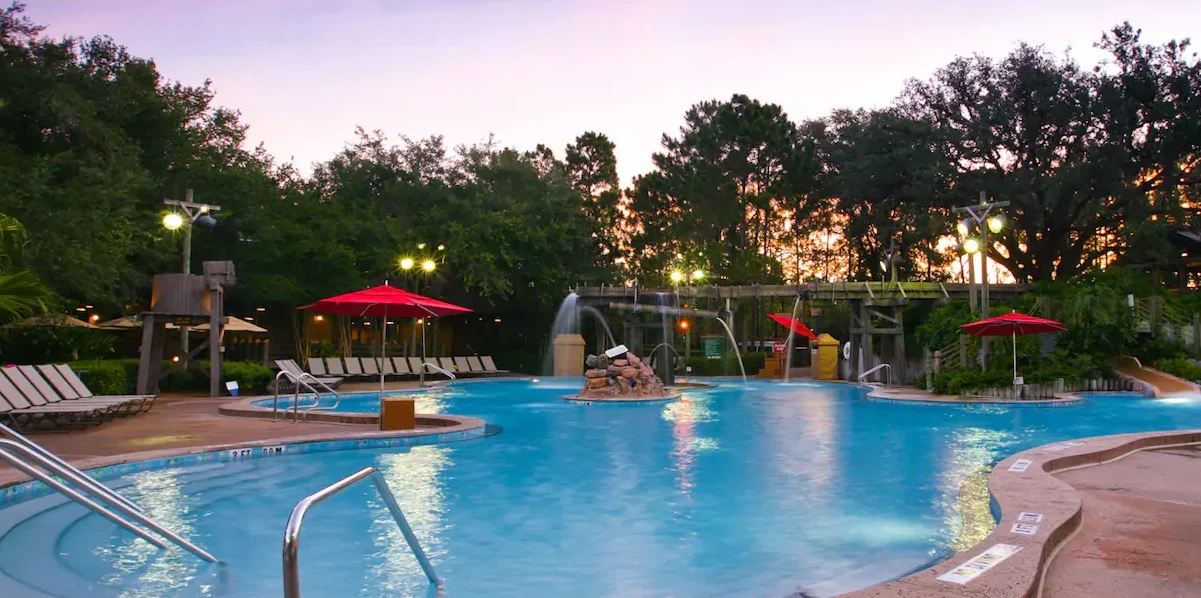
Under the strict new rules, guests wanting to ride an outbound bus to a Disney Resort hotel or take the Sassagoula River Cruise ferry to locations like Disney’s Port Orleans Resort, Disney’s Old Key West Resort, or Disney’s Saratoga Springs Resort & Spa must scan a MagicBand, mobile pass, or digital reservation. Without a verified room key or a same-day dining reservation at the destination hotel, boarding is denied.
The gatekeeping successfully eliminated non-hotel guests who historically parked for free at the Disney Springs garages and used the bus network to access nearby theme parks.
The “Empty Bus” Problem
While the policy solved the crowding issue, it revealed a startling reality: a massive percentage of Disney Springs transportation riders were not staying on property.
Recent observations from visitors at the resort highlight a stark contrast to previous years. Buses are regularly seen pulling away from the Disney Springs depot with barely any passengers on board—and in some documented cases, empty. The Sassagoula River Cruise boats, which once drew massive lines stretching along the waterfront, are now gliding across the water with rows of unoccupied wooden benches.
Will Route Cuts Follow?
This severe decline in ridership presents a major operational challenge for Disney. Operating a fleet of commercial buses and passenger ferries is exceptionally expensive, given fuel, mechanical maintenance, and cast member labor costs. If vehicles consistently run at ten percent capacity, maintaining peak dispatch schedules becomes financially impractical.
If Disney’s transportation planners adapt to these empty vehicles, service reductions are almost inevitable. Instead of dispatching buses to resort hotels every 10 to 15 minutes, dispatchers may reduce frequency to every 20 or 30 minutes to consolidate riders into fuller vehicles.
Ironically, this means paying resort guests—the exact group Disney intended to serve with the new policy—could end up facing longer waits at the bus stop. While they may now enjoy a nearly private ride once on board, waiting significantly longer for a bus or boat to arrive could sour the experience. Disney successfully closed the transit loophole, but managing an overbuilt transit network for a smaller audience is the next hurdle the resort faces.


Should let passholders use the transportation as well. We have free parking.